
Inconel Alloy
625

Get a Free Quote NOW
Send Inquiry and Get Our Latest Full Set Data Sheet
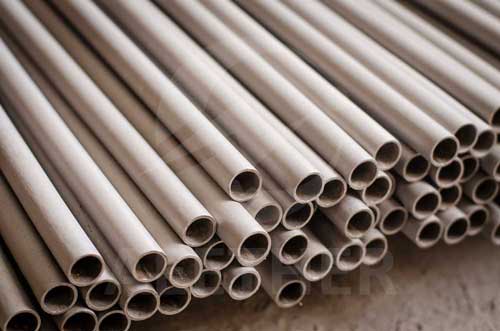
Inconel 625
Pipes
Contact Now


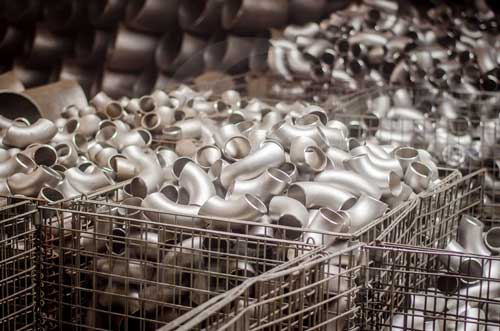




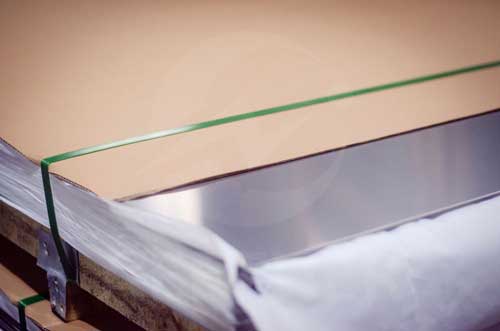


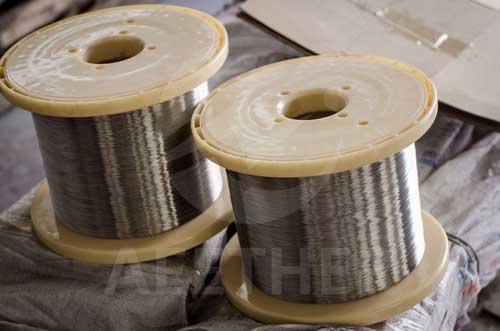


Inconel 625 Introduction

Solid Solution
Strengthened Alloy
Resistance
Behavior
High Temperature Characteristics
Strength &
Stability
Oxidation
Resistance
Carburization
Resistance
Sulfidation
Resistance
Nitriding
Resistance
Carbonitriding
Resistance
Resistance to
Molten Salts
Corrosion Resistance
Sulfuric
Acid
Hydrochloric
Acid
Hydrofluoric
Acid
Phosphoric
Acid
Nitric
Acid
Organic
Acids
Alkalies
and Salts
Seawater
Overview
As a leading supplier and manufacturer in China, AEETHER provides cost-effective Inconel 625 products.
Inconel 625 (UNS N06625 / W.Nr. 2.4856) is a solid solution alloy with high strength and excellent corrosion resistance. It can be used at room temperature or at temperatures as high as 1800°F (982°C).
Inconel 625 adds molybdenum and niobium elements to Inconel 600. Both of these elements are excellent solid solution strengthening elements. They give Inconel 625 higher strength than similar alloys. In addition, molybdenum is very resistant to reductive corrosion. It also gives the alloy better resistance to severe corrosion.
Due to its excellent corrosion resistance, a typical application of Inconel 625 is marine. Its resistance to localized corrosion (pitting and crevice corrosion), chloride ion stress corrosion, and its excellent fatigue strength make it widely used in marine parts such as propeller blades, exhaust pipes, and fasteners. For ambient temperature applications, Inconel 625 is recommended to be delivered annealed.
In addition, Inconel 625 is also widely used in the aerospace field, thanks to its excellent high-temperature tensile properties and creep strength. Through processing and welding, Inconel 625 can be used in components such as aircraft piping systems, engine exhaust systems, fuel and hydraulic lines, and heat exchanger tubes. The high temperature properties of Inconel 625 alloy also make it used in heat treatment equipment and chemical industry. Different from normal temperature applications, in high temperature applications, Inconel 625 is generally delivered as solution annealed.
Mechanical Properties
Thanks to solid solution strengthening of molybdenum and niobium, Inconel 625 has very high strength. Unlike most similar alloys, Inconel 625 already has very high strength when processing. Therefore, for some products with more complex processing (such as seamless pipes tubes), the production cost of Inconel 625 will be higher.
Corrosion Resistance
Inconel 625 alloy has excellent corrosion resistance due to its highly alloyed composition. It is almost not corroded in common mild environments, such as the atmosphere, fresh water, sea water, neutral salt solutions and alkaline media.
In more corrosive environments, the synergistic effect of nickel and chromium gives Inconel 625 its resistance to oxidizing chemicals. High levels of nickel and molybdenum increase resistance to non-oxidizing environments. The high molybdenum content also gives the alloy excellent resistance to pitting and crevice corrosion. The presence of niobium can stabilize the alloy to a certain extent and avoid intergranular cracks.
Inconel 625 Chemical Composition
S ≤ 0.015%
Si ≤ 0.50%
C ≤ 0.10%
Mn ≤ 0.50%
P ≤ 0.015%
Al ≤ 0.40%
Ti ≤ 0.40%
Co ≤ 1.00%
Nb + Ta: 3.15% ~ 4.15%
Nb + Ta: 3.15% ~ 4.15%
Mo: 8.0% ~ 10.0%
Fe ≤ 5.0%
Cr: 20.0% ~ 23.0%
Ni ≥ 58.0%
Popular Inconel 625 Products
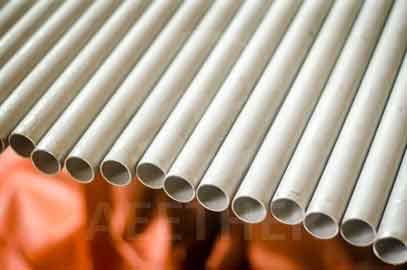
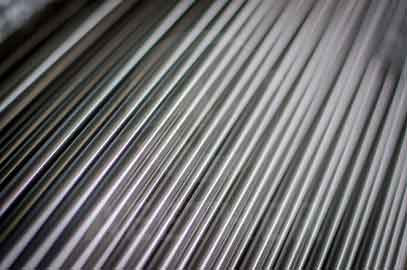
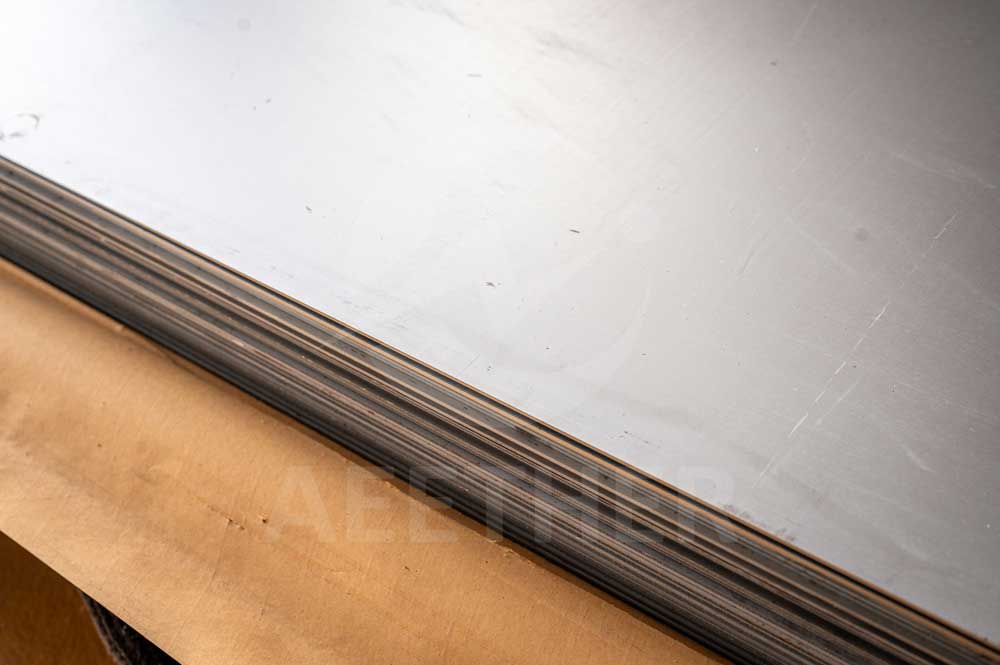
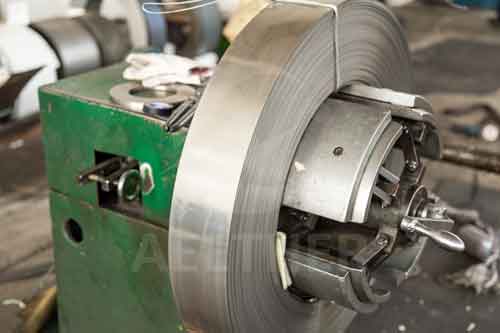
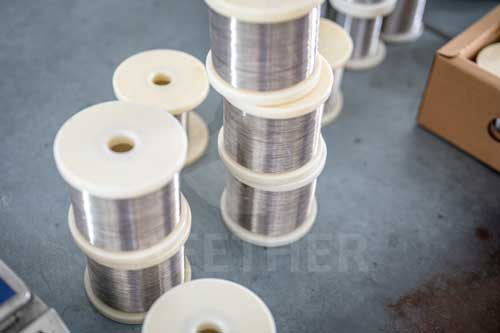
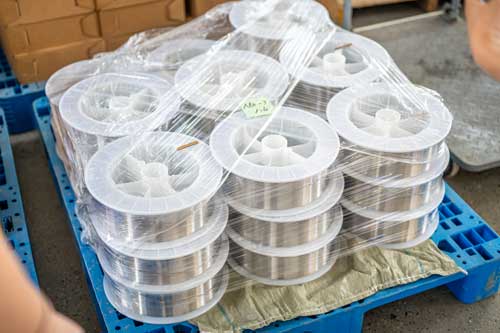
Try our Premium Products


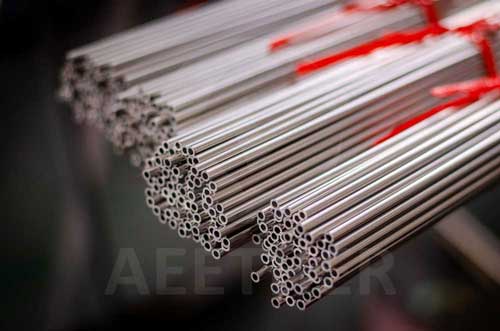


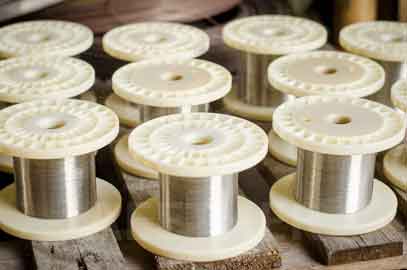


Get a Free Quote NOW
Inconel 625 Standards
Data Sheet
Physical Properties
| Density | g/cm3 | 8.44 | |
|---|---|---|---|
| lb/in.3 | 0.305 | ||
| Melting Range | °F | 2350 - 2460 | |
| °C | 1290 - 1350 | ||
| Specific Heat (21°C) | Btu/lb-°F | 0.098 | |
| J/kg-°C | 410 | ||
| Permeability at 200 oersted | 15.9 kA/m | 1.0006 | |
| Curie Temperature | °F | < -320 | |
| °C | -196 | ||
Mechanical Properties
| Form and Condition | Tensile Strength | Yield Strength (0.2% Offset) |
Elongation | Reduction Of Area | Hardness, Brinell | ||
|---|---|---|---|---|---|---|---|
| ksi | MPa | ksi | MPa | % | % | ||
| ROD, BAR, PLATE | |||||||
| As-Rolled | 120-160 | 827-1103 | 60-110 | 414-758 | 60-30 | 60-40 | 175-240 |
| Annealed | 120-150 | 827-1034 | 60-95 | 414-655 | 60-30 | 60-40 | 145-220 |
| Solution-Treated | 105-130 | 724-896 | 42-60 | 290-414 | 65-40 | 90-60 | 116-194 |
| SHEET and STRIP | |||||||
| Annealed | 120-150 | 827-1034 | 60-90 | 414-621 | 55-30 | - | 145-240 |
| TUBE and PIPE, COLD-DRAWN | |||||||
| Annealed | 120-140 | 827-965 | 60-75 | 414-517 | 55-30 | - | - |
| Solution-Treated | 100-120 | 689-827 | 40-60 | 276-414 | 60-40 | - | - |
Inconel 625 Applications


FAQ
What is the difference between the annealed and solution-treated conditions of Inconel 625?
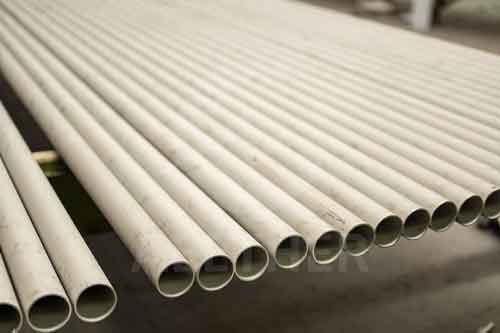
The annealed and solution-treated conditions are two different delivery conditions for Inconel 625, specified in the standard as Grade 1 and Grade 2, respectively. The annealed condition offers higher strength but is generally suitable for use at room temperature. The solution-treated condition provides better high-temperature performance. Therefore, please be sure to determine your specific requirements before placing an order.
How can I purchase your products?
You can send your requirements to our email: [email protected], or fill out the form at the bottom of the page and submit it. Our sales team will send you a detailed quotation. If you are interested in our offer, please send us your PO. We will provide you with a Proforma Invoice (PI) for payment. Once we receive the advance payment, we will begin preparing the materials. We will notify you as soon as the materials are ready.
How should the concept of solution strengthening be understood?
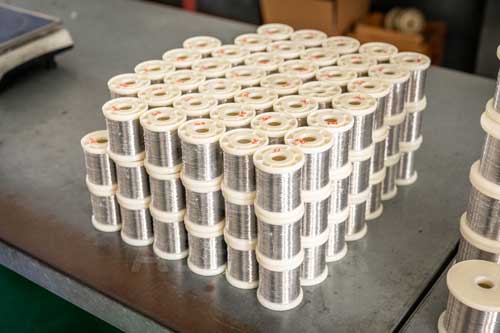
It refers to the process where the matrix elements in an alloy dissolve other elements to form a solid solution. This dissolution effectively enhances the alloy’s strength, hence the term “solution strengthening.” Common matrix elements include nickel, cobalt, and iron, while common solute elements include chromium, molybdenum, tungsten, and niobium.
Do your prices fluctuate frequently?
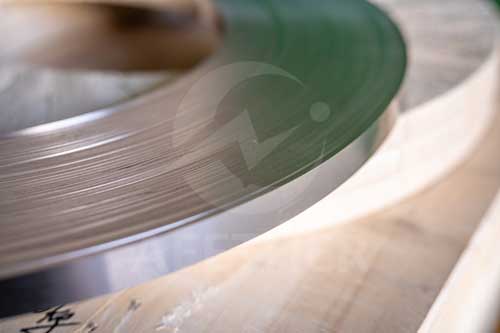
Alloy prices primarily depend on market conditions for raw materials such as nickel, molybdenum, and cobalt. Since these raw materials are subject to price fluctuations, alloy prices will naturally fluctuate accordingly.
Can you provide material test certificates?
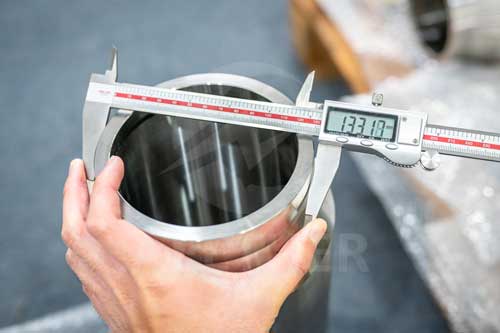
We will issue this certificate in accordance with standards prior to shipment. It will include detailed information such as the applicable material standards, chemical composition, mechanical properties, dimensional data, and heat number. It serves as crucial evidence that our products meet the required specifications.
Besides standard products, can you produce other forms?
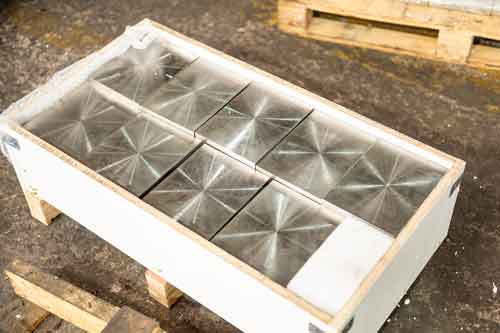
Yes, we can perform extension processing based on existing products. For example, seamless tubes can be processed into U-shaped tubes, and round bars or plates can be cut into discs as needed. Additionally, we can custom-produce products in shapes such as rings and blocks.
How should the concept of yield strength be understood?
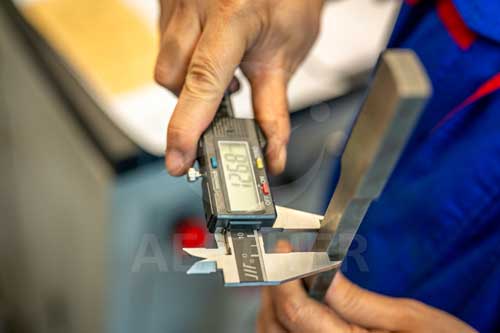
It measures a material’s ability to resist plastic deformation under tensile stress—that is, the maximum tensile force it can withstand before permanent deformation occurs. Both yield strength and tensile strength are indicators of a material’s strength, but they focus on different aspects: yield strength concerns the material’s resistance to deformation, while tensile strength concerns its resistance to breaking. Since materials always deform before breaking during tensile testing, the yield strength of a given material is typically lower than its tensile strength.
Related Article








More Inconel Grades +
600
S ≤ 0.015%
Si
Si ≤ 0.50%
C
C ≤ 0.15%
Mn
Mn ≤ 1.00%
Cu
Cu ≤ 0.50%
Fe
Fe: 6.0% ~ 10.0%
Cr
Cr: 14.0% ~ 17.0%
Ni
Ni ≥ 72.0%
601
S ≤ 0.015%
Si
Si ≤ 0.50%
C
C ≤ 0.10%
Mn
Mn ≤ 1.00%
Al
Al: 1.00% ~ 1.70%
Cu
Cu ≤ 1.00%
Fe
Fe: 7.7% ~ 17.4%
Cr
Cr: 21.0% ~ 25.0%
Ni
Ni: 58.0% ~ 63.0%
601GC
S ≤ 0.015%
Si
Si ≤ 1.00%
C: 0.03% ~ 0.08%
Mn
Mn ≤ 1.00%
N: 0.02% ~ 0.07%
Zr: 0.070% ~ 0.250%
Al
Al: 0.80% ~ 1.70%
Cu
Cu ≤ 1.00%
Fe
Fe: 6.9% ~ 15.1%
Cr
Cr: 23.0% ~ 25.0%
Ni
Ni: 58.0% ~ 63.0%
602CA
S ≤ 0.010%
Si
Si ≤ 0.50%
C
C: 0.15% ~ 0.25%
Mn ≤ 0.15%
P ≤ 0.020%
Zr: 0.01% ~ 0.10%
Y
Y: 0.05% ~ 0.12%
Al
Al: 1.8% ~ 2.4%
Ti: 0.1% ~ 0.2%
Cu ≤ 0.10%
Fe
Fe: 8.0% ~ 11.0%
Cr
Cr: 24.0% ~ 26.0%
Ni
Ni: 59.2% ~ 65.9%
603XL
Si
Si ≤ 2.00%
C
C ≤ 0.30%
Mn
Mn ≤ 0.30%
Rare Earth ≤ 0.10%
Al
Al ≤ 0.50%
Ti
Ti ≤ 0.50%
Mo
Mo ≤ 4.0%
Cr
Cr: 15.0% ~ 23.0%
Ni
Ni: 69.3% ~ 77.3%
617
S ≤ 0.015%
Si
Si ≤ 1.00%
C
C: 0.05% ~ 0.15%
Mn
Mn ≤ 1.00%
B ≤ 0.006%
Co
Co: 10.0% ~ 15.0%
Al
Al: 0.80% ~ 1.50%
Ti
Ti ≤ 0.60%
Cu
Cu ≤ 0.50%
Fe
Fe ≤ 3.0%
Mo
Mo: 8.0% ~ 10.0%
Cr
Cr: 20.0% ~ 24.0%
Ni
Ni ≥ 44.5%
625
S ≤ 0.015%
Si
Si ≤ 0.50%
C
C ≤ 0.10%
Mn
Mn ≤ 0.50%
P ≤ 0.015%
Co
Co ≤ 1.00%
Nb
Nb + Ta: 3.15% ~ 4.15%
Ta
Nb + Ta: 3.15% ~ 4.15%
Al
Al ≤ 0.40%
Ti
Ti ≤ 0.40%
Fe
Fe ≤ 5.0%
Mo
Mo: 8.0% ~ 10.0%
Cr
Cr: 20.0% ~ 23.0%
Ni
Ni ≥ 58.0%
625LCF
S ≤ 0.015%
Si ≤ 0.15%
C ≤ 0.03%
Mn
Mn ≤ 0.50%
P ≤ 0.015%
N ≤ 0.02%
Co
Co ≤ 1.00%
Nb
Nb + Ta: 3.15% ~ 4.15%
Ta
Nb + Ta: 3.15% ~ 4.15%
Al
Al ≤ 0.40%
Ti
Ti ≤ 0.40%
Fe
Fe ≤ 5.0%
Mo
Mo: 8.0% ~ 10.0%
Cr
Cr: 20.0% ~ 23.0%
Ni
Ni ≥ 58.0%
686
S ≤ 0.020%
Si ≤ 0.08%
C ≤ 0.01%
Mn
Mn ≤ 0.75%
P ≤ 0.040%
W
W: 3.0% ~ 4.4%
Ti: 0.02% ~ 0.25%
Fe
Fe ≤ 5.0%
Mo
Mo: 15.0% ~ 17.0%
Cr
Cr: 19.0% ~ 23.0%
Ni
Ni: 49.5% ~ 62.9%
690
S ≤ 0.015%
Si
Si ≤ 0.50%
C ≤ 0.05%
Mn
Mn ≤ 0.50%
Cu
Cu ≤ 0.50%
Fe
Fe: 7.0% ~ 11.0%
Cr
Cr: 27.0% ~ 31.0%
Ni
Ni ≥ 58.0%
693
S ≤ 0.010%
Si
Si ≤ 0.50%
C
C ≤ 0.15%
Mn
Mn ≤ 1.00%
Nb
Nb: 0.50% ~ 2.50%
Al
Al: 2.50% ~ 4.00%
Ti
Ti ≤ 1.00%
Cu
Cu ≤ 0.50%
Fe
Fe: 2.5% ~ 6.0%
Cr
Cr: 27.0% ~ 31.0%
Ni
Ni: 53.3% ~ 64.3%
706
S ≤ 0.015%
Si
Si ≤ 0.35%
C ≤ 0.06%
Mn
Mn ≤ 0.35%
P ≤ 0.020%
B ≤ 0.006%
Co
Co ≤ 1.00%
Nb
Nb: 2.5% ~ 3.3%
Ta ≤ 0.05%
Al
Al ≤ 0.40%
Ti
Ti: 1.50% ~ 2.00%
Cu
Cu ≤ 0.30%
Fe
Fe ≥ 32.5%
Cr
Cr: 14.5% ~ 17.5%
Ni
Ni: 39.0% ~ 44.0%
718
S ≤ 0.015%
Si
Si ≤ 0.35%
C
C ≤ 0.08%
Mn
Mn ≤ 0.35%
P ≤ 0.015%
B ≤ 0.006%
Co
Co ≤ 1.00%
Nb
Nb + Ta: 4.75% ~ 5.50%
Ta
Nb + Ta: 4.75% ~ 5.50%
Al
Al: 0.20% ~ 0.80%
Ti
Ti: 0.65% ~ 1.15%
Cu
Cu ≤ 0.30%
Fe
Fe: 11.1% ~ 22.5%
Mo
Mo: 2.80% ~ 3.30%
Cr
Cr: 17.0% ~ 21.0%
Ni
Ni: 50.0% ~ 55.0%
718SPF
S ≤ 0.002%
Si
Si ≤ 0.35%
C ≤ 0.05%
Mn
Mn ≤ 0.35%
P ≤ 0.015%
B ≤ 0.006%
N ≤ 0.01%
Co
Co ≤ 1.00%
Nb
Nb: 4.75% ~ 5.25%
Ta ≤ 0.05%
Al
Al: 0.20% ~ 0.80%
Ti
Ti: 0.65% ~ 1.15%
Cu
Cu ≤ 0.30%
Fe
Fe ≥ 11.4%
Mo
Mo: 2.80% ~ 3.30%
Cr
Cr: 17.0% ~ 21.0%
Ni
Ni: 50.0% ~ 55.0%
725
S ≤ 0.010%
Si
Si ≤ 0.20%
C ≤ 0.03%
Mn
Mn ≤ 0.35%
P ≤ 0.015%
Nb
Nb: 2.75% ~ 4.00%
Al
Al ≤ 0.35%
Ti
Ti: 1.00% ~ 1.70%
Fe
Fe: 2.3% ~ 14.3%
Mo
Mo: 7.0% ~ 9.5%
Cr
Cr: 19.0% ~ 22.5%
Ni
Ni: 55.0% ~ 59.0%
740H
S ≤ 0.030%
Si
Si ≤ 1.00%
C: 0.005% ~ 0.080%
Mn
Mn ≤ 1.00%
P ≤ 0.030%
B: 0.0006% ~ 0.0060%
Co
Co: 15.0% ~ 22.0%
Nb
Nb + Ta: 0.50% ~ 2.50%
Ta
Nb + Ta: 0.50% ~ 2.50%
Al
Al: 0.20% ~ 2.00%
Ti
Ti: 0.50% ~ 2.50%
Cu
Cu ≤ 0.50%
Fe
Fe ≤ 3.00%
Mo
Mo ≤ 2.0%
Cr
Cr: 23.5% ~ 25.5%
Ni
Ni ≥ 37.9%
X-750
S ≤ 0.010%
Si
Si ≤ 0.50%
C
C ≤ 0.08%
Mn
Mn ≤ 1.00%
Co
Co ≤ 1.00%
Nb + Ta: 0.70% ~ 1.20%
Nb + Ta: 0.70% ~ 1.20%
Al
Al: 0.40% ~ 1.00%
Ti
Ti: 2.25% ~ 2.75%
Cu
Cu ≤ 0.50%
Fe
Fe: 5.0% ~ 9.0%
Cr
Cr: 14.0% ~ 17.0%
Ni
Ni ≥ 70.0%
751
S ≤ 0.010%
Si
Si ≤ 0.50%
C
C ≤ 0.10%
Mn
Mn ≤ 1.00%
Co
Ni + Co ≥ 70.0%
Nb + Ta: 0.70% ~ 1.20%
Nb + Ta: 0.70% ~ 1.20%
Al
Al: 0.90% ~ 1.50%
Ti
Ti: 2.00% ~ 2.60%
Cu
Cu ≤ 0.50%
Fe
Fe: 5.0% ~ 9.0%
Cr
Cr: 14.0% ~ 17.0%
Ni
Ni + Co ≥ 70.0%
MA754
C ≤ 0.05%
Y2O3
Y2O3 ≈ 0.60%
Al
Al ≤ 0.30%
Ti
Ti ≤ 0.50%
Fe
Fe ≤ 1.0%
Cr
Cr ≈ 20.0%
Ni
Ni ≈ 78.0%
MA758
C ≤ 0.05%
Y2O3
Y2O3 ≈ 0.60%
Al
Al ≤ 0.30%
Ti
Ti ≤ 0.50%
Fe
Fe ≤ 1.0%
Cr
Cr ≈ 30.0%
Ni
Ni ≈ 67.6%
783
S ≤ 0.005%
Si
Si ≤ 0.50%
C ≤ 0.03%
Mn
Mn ≤ 0.50%
P ≤ 0.015%
B: 0.003% ~ 0.012%
Co
Co ≥ 28.0%
Nb
Nb: 2.50% ~ 3.50%
Ta ≤ 0.05%
Al
Al: 5.00% ~ 6.00%
Ti
Ti ≤ 0.40%
Cu
Cu ≤ 0.50%
Fe
Fe: 24.0% ~ 27.0%
Cr
Cr: 2.5% ~ 3.5%
Ni
Ni: 26.0% ~ 30.0%