
Hastelloy Alloy
G-30

Get a Free Quote NOW
Send Inquiry and Get Our Latest Full Set Data Sheet
Hastelloy G-30
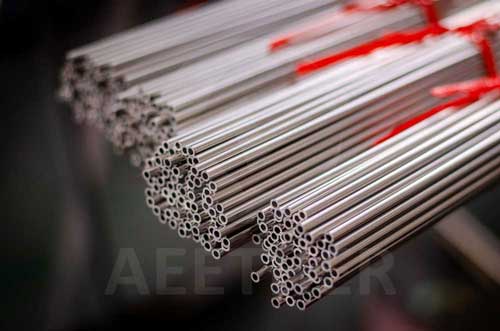
Pipes
Contact Now


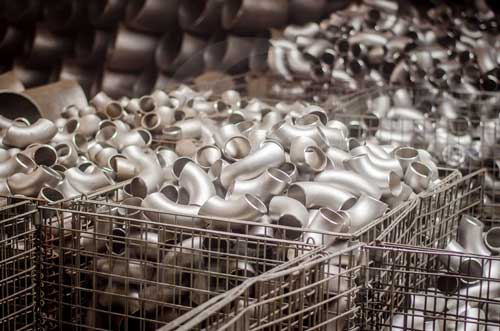


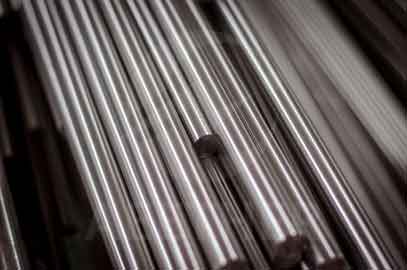


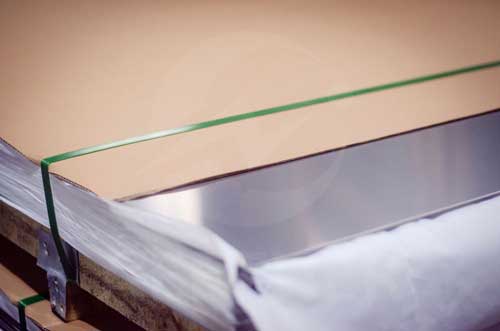


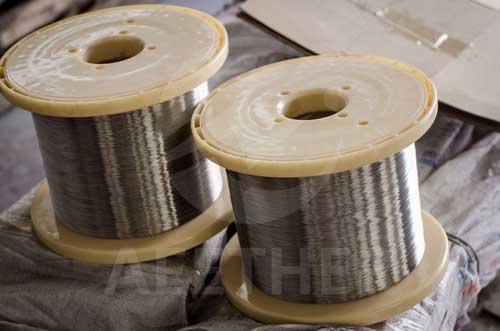


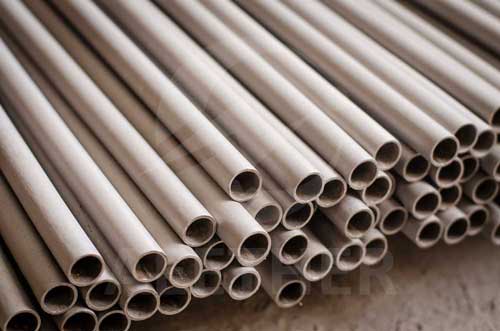
Hastelloy G-30 Introduction

Solid Solution
Strengthened Alloy
Resistance
Behavior
Overview
As a leading supplier & manufacturer in China, AEETHER supply cost-effective Hastelloy G-30 Products.
HASTELLOY® G-30® alloy (UNS # N06030) is a nickel-chromium-iron material highly resistant to “wet process” phosphoric acid (P2O5). P2O5 is one of the most important industrial chemicals, being the primary source of phosphorus for agrichemical fertilizers. G-30® alloy is also moderately resistant to chloride-induced localized attack, which can be a problem beneath deposits in the evaporators used to concentrate P2O5. Furthermore, G-30® alloy is less susceptible to chloride-induced stress corrosion cracking than the stainless steels.
As a result of its high chromium content, G-30® alloy is also very resistant to other oxidizing acids, such as nitric, and mixtures containing nitric acid. It possesses moderate resistance to reducing acids, such as hydrochloric and sulfuric, as a result of its appreciable molybdenum and copper contents.
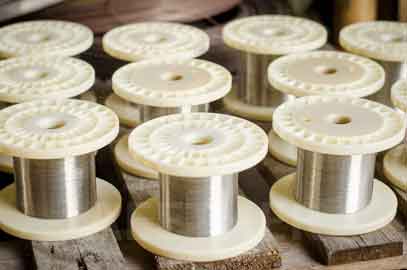
HASTELLOY® G-30® alloy is available in the form of plates, sheets, strips, billets, bars, wires, pipes, tubes, and covered electrodes. Applications include P2O5 evaporator tubes and nitric acid-based, metal pickling hardware.
Comparative 0.1 mm/y Line Plots
To compare the performance of HASTELLOY® G-30® alloy with that of other materials, it is useful to plot the 0.1 mm/y lines. In the following graphs, the lines for G-30® alloy are compared with those of 625 alloy, 254SMO alloy, and 316L stainless steel, in hydrochloric and sulfuric acids. Note that the line for G-30® alloy is slightly higher than that for 625 alloy in sulfuric acid. The hydrochloric acid concentration limit of 20% is the azeotrope, above which corrosion tests are less reliable.
Hastelloy G-30 Chemical Composition
S ≤ 0.020%
Si ≤ 0.80%
C ≤ 0.03%
Mn ≤ 1.50%
P ≤ 0.040%
Cu: 1.00% ~ 2.40%
Co ≤ 5.00%
Nb + Ta: 0.30% ~ 1.50%
Nb + Ta: 0.30% ~ 1.50%
W: 1.5% ~ 4.0%
Fe: 13.0% ~ 17.0%
Mo: 4.0% ~ 6.0%
Cr: 28.0% ~ 31.5%
Ni: 30.2% ~ 47.2%
Try our Premium Products






Get a Free Quote NOW
Hastelloy G-30 Standards
Data Sheet
Physical Properties
| Density | g/cm3 | 8.22 | |
|---|---|---|---|
| lb/in.3 | 0.297 | ||
Mechanical Properties
| Form | Thickness / Bar Diameter | Test Temperature | Yield Strength (0.2% Offset) |
Tensile Strength | Elongation | ||||
|---|---|---|---|---|---|---|---|---|---|
| in | mm | °F | °C | ksi | MPa | ksi | MPa | % | |
| Sheet | 0.028 | 0.71 | RT | RT | 47 | 324 | 100 | 689 | 56 |
| Sheet | 0.125 | 3.2 | RT | RT | 51 | 352 | 100 | 689 | 56 |
| Plate | 0.25 | 6.4 | RT | RT | 46 | 317 | 98 | 676 | 55 |
| Plate | 0.375 | 9.5 | RT | RT | 45 | 310 | 100 | 689 | 65 |
| Plate | 0.5 | 12.7 | RT | RT | 46 | 317 | 100 | 689 | 64 |
| Plate | 0.75 | 19.1 | RT | RT | 47 | 324 | 98 | 676 | 65 |
| Plate | 1.25 | 31.8 | RT | RT | 45 | 310 | 99 | 683 | 60 |
| Bar | 1 | 25.4 | RT | RT | 46 | 317 | 100 | 689 | 60 |
| Plate & Bar | Various | 200 | 93 | 42 | 290 | 95 | 655 | 54 | |
| Plate & Bar | Various | 400 | 204 | 36 | 248 | 88 | 607 | 59 | |
| Plate & Bar | Various | 600 | 316 | 33 | 228 | 83 | 572 | 59 | |
| Plate & Bar | Various | 800 | 427 | 31 | 214 | 80 | 552 | 60 | |
| Plate & Bar | Various | 1000 | 538 | 29 | 200 | 76 | 524 | 62 | |
Hastelloy G-30 Applications


FAQ
What are the differences between Hastelloy G-30 and Hastelloy C-276?
Hastelloy G-30 and Hastelloy C-276 have different compositional designs. Hastelloy C-276 has better overall performance. Hastelloy G-30 significantly reduces molybdenum content and increases chromium, resulting in excellent oxidation resistance. However, in reducing environments, Hastelloy C-276 is a better choice.
What smelting process do you use in production?
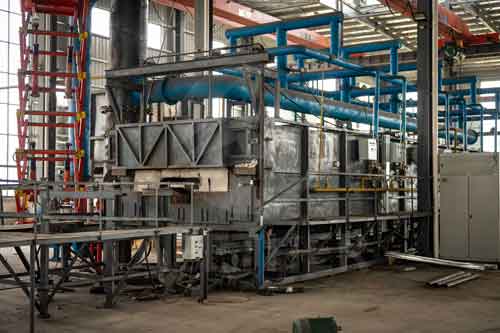
We use vacuum induction melting (VIM) followed by electroslag remelting (ESR). It should be said that all superalloys should use this smelting method to ensure the alloy's purity reaches the ideal level. If other smelting methods are used, various performance problems may occur during subsequent production or application.
How do you ensure that the composition of your products meets standards?
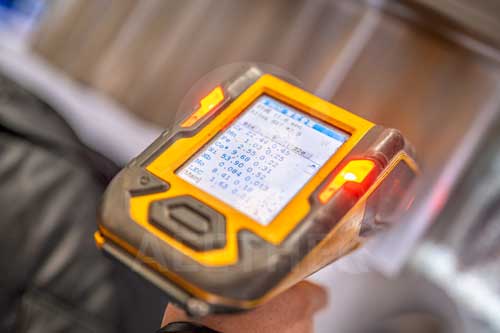
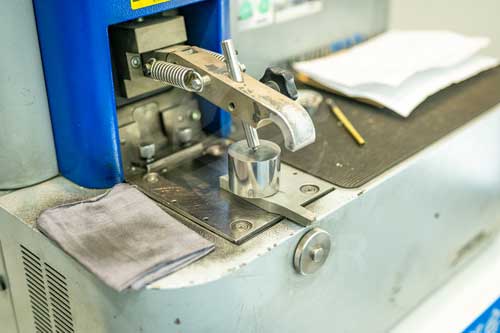
In the smelting process, we have strict control over the material ratios and conduct chemical analysis to verify them. After material production is completed, we will perform PMI testing on the finished product as a confirmation of composition before shipment. If the customer wishes to obtain authoritative third-party certification, we can also send samples to an independent third-party laboratory for final chemical analysis.
How long does it take to get a quote?
As long as you send us your inquiry, our professional sales team will process it as soon as possible, and we can usually provide you with an accurate quote within 24 hours. If there is incomplete information or other situations that prevent us from providing a quote, we will also inform you immediately so you won't have to wait.
Will you handle the transportation or do we need to find our own freight forwarder?
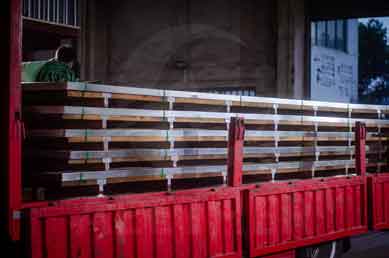
As a matter of course, our quotes are based on FOB terms, so you will generally arrange your own freight forwarder for the transportation process. We will actively cooperate with your freight forwarder to handle local procedures. If you prefer us to handle it entirely, we can also arrange transportation according to your needs and provide you with the corresponding costs for confirmation.
What is elongation?
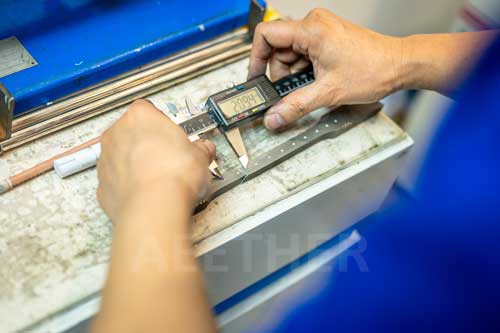
Elongation refers to the percentage increase in length relative to the original length of a material during a tensile test until it breaks. This indicator directly reflects the plasticity of the material. The higher the elongation value, the better the plasticity of the material. Of course, according to the general laws of materials science, the better the plasticity of a material, the less advantageous its strength tends to be.
Related Article



More Hastelloy Grades +
B
S ≤ 0.030%
Si
Si ≤ 1.00%
C ≤ 0.05%
Mn
Mn ≤ 1.00%
P ≤ 0.040%
V
V: 0.20% ~ 0.40%
Co
Co ≤ 2.50%
Fe
Fe: 4.0% ~ 6.0%
Mo
Mo: 26.0% ~ 30.0%
Cr
Cr ≤ 1.0%
Ni
Ni: 58.0% ~ 64.2%
B-2
S ≤ 0.030%
Si ≤ 0.10%
C ≤ 0.02%
Mn
Mn ≤ 1.00%
P ≤ 0.040%
Co
Co ≤ 1.00%
Fe
Fe ≤ 2.0%
Mo
Mo: 26.0% ~ 30.0%
Cr
Cr ≤ 1.0%
Ni
Ni: 65.0% ~ 74.0%
B-3
S ≤ 0.010%
Si ≤ 0.10%
C ≤ 0.01%
Mn
Mn ≤ 3.00%
P ≤ 0.030%
Zr ≤ 0.10%
V
V ≤ 0.20%
W
W ≤ 3.0%
Co
Co ≤ 3.00%
Nb
Nb ≤ 0.20%
Ta
Ta ≤ 0.20%
Al
Al ≤ 0.50%
Ti
Ti ≤ 0.20%
Cu
Cu ≤ 0.20%
Fe
Fe: 1.0% ~ 3.0%
Mo
Mo: 27.0% ~ 32.0%
Cr
Cr: 1.0% ~ 3.0%
Ni
Ni: 65.0% ~ 71.0%
C
S ≤ 0.030%
Si
Si ≤ 1.00%
C
C ≤ 0.08%
Mn
Mn ≤ 1.00%
P ≤ 0.040%
V
V ≤ 0.35%
W
W: 3.0% ~ 4.4%
Co
Co ≤ 2.50%
Fe
Fe: 4.0% ~ 7.0%
Mo
Mo: 15.0% ~ 17.0%
Cr
Cr: 14.5% ~ 16.5%
Ni
Ni: 50.0% ~ 58.0%
C-4
S ≤ 0.030%
Si ≤ 0.08%
C ≤ 0.015%
Mn
Mn ≤ 1.00%
P ≤ 0.040%
Co
Co ≤ 2.00%
Ti
Ti ≤ 0.70%
Fe
Fe ≤ 3.0%
Mo
Mo: 14.0% ~ 17.0%
Cr
Cr: 14.0% ~ 18.0%
Ni
Ni: 58.2% ~ 72.0%
C-22
S ≤ 0.020%
Si ≤ 0.08%
C ≤ 0.015%
Mn
Mn ≤ 0.50%
P ≤ 0.020%
V
V ≤ 0.35%
W
W: 2.5% ~ 3.5%
Co
Co ≤ 2.50%
Fe
Fe: 2.0% ~ 6.0%
Mo
Mo: 12.5% ~ 14.5%
Cr
Cr: 20.0% ~ 22.5%
Ni
Ni: 50.1% ~ 63.0%
C-22HS
S ≤ 0.015%
Si ≤ 0.08%
C ≤ 0.01%
Mn
Mn ≤ 0.50%
P ≤ 0.025%
B ≤ 0.006%
W
W ≤ 0.8%
Co
Co ≤ 1.00%
Ta
Ta ≤ 0.20%
Al
Al ≤ 0.50%
Cu
Cu ≤ 0.50%
Fe
Fe ≤ 1.8%
Mo
Mo: 15.5% ~ 17.4%
Cr
Cr: 20.0% ~ 21.4%
Ni
Ni: 56.6% ~ 64.5%
C-276
S ≤ 0.030%
Si ≤ 0.08%
C ≤ 0.01%
Mn
Mn ≤ 1.00%
P ≤ 0.040%
V
V ≤ 0.35%
W
W: 3.0% ~ 4.5%
Co
Co ≤ 2.50%
Fe
Fe: 4.0% ~ 7.0%
Mo
Mo: 15.0% ~ 17.0%
Cr
Cr: 14.5% ~ 16.5%
Ni
Ni: 51.0% ~ 63.5%
C-2000
S ≤ 0.010%
Si ≤ 0.08%
C ≤ 0.01%
Mn
Mn ≤ 0.50%
P ≤ 0.025%
Co
Co ≤ 2.00%
Al
Al ≤ 0.50%
Cu
Cu: 1.30% ~ 1.90%
Fe
Fe ≤ 3.0%
Mo
Mo: 15.0% ~ 17.0%
Cr
Cr: 22.0% ~ 24.0%
Ni
Ni: 51.0% ~ 61.7%
G-3
S ≤ 0.030%
Si
Si ≤ 1.00%
C ≤ 0.015%
Mn
Mn ≤ 1.00%
P ≤ 0.040%
W
W ≤ 1.5%
Co
Co ≤ 5.00%
Nb + Ta ≤ 0.50%
Nb + Ta ≤ 0.50%
Cu
Cu: 1.50% ~ 2.50%
Fe
Fe: 18.0% ~ 21.0%
Mo
Mo: 6.0% ~ 8.0%
Cr
Cr: 21.0% ~ 23.5%
Ni
Ni: 36.9% ~ 45.4%
G-30
S ≤ 0.020%
Si
Si ≤ 0.80%
C ≤ 0.03%
Mn
Mn ≤ 1.50%
P ≤ 0.040%
W
W: 1.5% ~ 4.0%
Co
Co ≤ 5.00%
Nb
Nb + Ta: 0.30% ~ 1.50%
Ta
Nb + Ta: 0.30% ~ 1.50%
Cu
Cu: 1.00% ~ 2.40%
Fe
Fe: 13.0% ~ 17.0%
Mo
Mo: 4.0% ~ 6.0%
Cr
Cr: 28.0% ~ 31.5%
Ni
Ni: 30.2% ~ 47.2%
G-35
S ≤ 0.015%
Si
Si ≤ 0.60%
C ≤ 0.05%
Mn
Mn ≤ 0.50%
P ≤ 0.030%
V
V ≤ 0.20%
W
W ≤ 0.6%
Co
Co ≤ 1.00%
Al
Al ≤ 0.40%
Cu
Cu ≤ 0.30%
Fe
Fe ≤ 2.0%
Mo
Mo: 7.6% ~ 9.0%
Cr
Cr: 32.25% ~ 34.25%
Ni
Ni: 51.5% ~ 60.1%
N
S ≤ 0.020%
Si
Si ≤ 1.00%
C: 0.04% ~ 0.08%
Mn
Mn ≤ 1.00%
P ≤ 0.015%
B ≤ 0.010%
V
V ≤ 0.50%
W
W ≤ 0.5%
Co
Co ≤ 0.20%
Al + Ti ≤ 0.5%
Al + Ti ≤ 0.50%
Cu
Cu ≤ 0.35%
Fe
Fe ≤ 5.0%
Mo
Mo: 15.0% ~ 18.0%
Cr
Cr: 6.0% ~ 8.0%
Ni
Ni: 64.9% ~ 78.9%
S
Si
Si ≈ 0.40%
C ≤ 0.02%
Mn
Mn ≤ 0.50%
B ≤ 0.015%
W
W ≤ 1.0%
La ≈ 0.020%
Co
Co ≤ 2.00%
Al
Al ≤ 0.25%
Fe
Fe ≤ 3.0%
Mo
Mo ≈ 15.0%
Cr
Cr ≈ 16.0%
Ni
Ni ≥ 67.0%
W
S ≤ 0.030%
Si
Si ≤ 1.00%
C
C ≤ 0.12%
Mn
Mn ≤ 1.00%
P ≤ 0.040%
V
V ≤ 0.60%
W
W ≤ 1.0%
Co
Co ≤ 2.50%
Fe
Fe: 4.0% ~ 7.0%
Mo
Mo: 23.0% ~ 26.0%
Cr
Cr: 4.0% ~ 6.0%
Ni
Ni: 55.8% ~ 69.0%
X
S ≤ 0.030%
Si
Si ≤ 1.00%
C
C: 0.05% ~ 0.15%
Mn
Mn ≤ 1.00%
P ≤ 0.040%
B ≤ 0.008%
W
W: 0.2% ~ 1.0%
Co
Co: 0.50% ~ 2.50%
Nb
Nb ≤ 0.50%
Al
Al ≤ 0.50%
Ti ≤ 0.15%
Fe
Fe: 17.0% ~ 20.0%
Mo
Mo: 8.0% ~ 10.0%
Cr
Cr: 20.5% ~ 23.0%
Ni
Ni: 41.3% ~ 53.7%