
Hastelloy Alloy
X

Get a Free Quote NOW
Send Inquiry and Get Our Latest Full Set Data Sheet
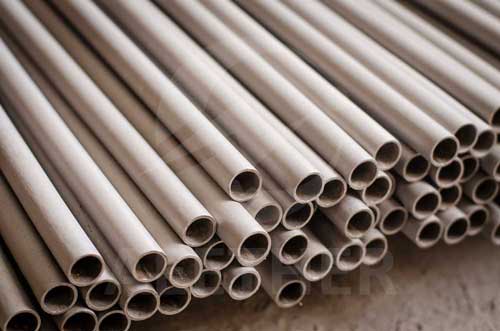
Hastelloy X
Pipes
Contact Now


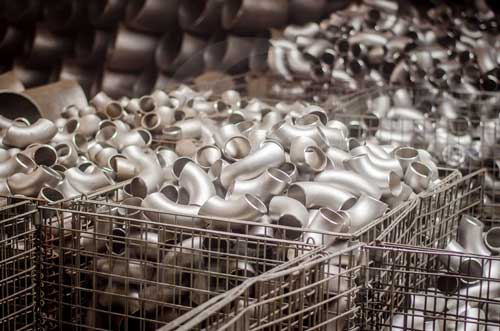


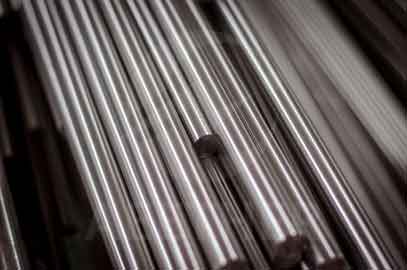


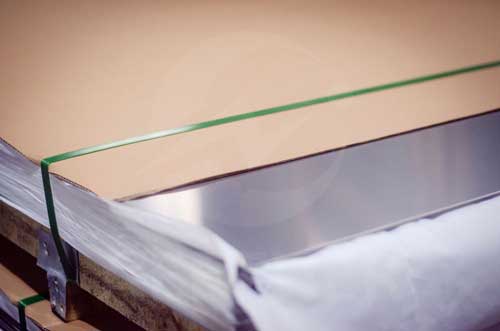




Hastelloy X Introduction

Solid Solution
Strengthened Alloy
Resistance
Behavior
High Temperature Characteristics
Strength &
Stability
Oxidation
Resistance
Carburization
Resistance
Sulfidation
Resistance
Nitriding
Resistance
Carbonitriding
Resistance
Resistance to
Molten Salts
Overview
As a leading supplier & manufacturer in China, AEETHER supply cost-effective Hastelloy X Products.
HASTELLOY® X alloy (UNS N06002 (W86002) is a nickel-chromium-iron-molybdenum alloy that possesses an exceptional combination of oxidation resistance, fabricability and high-temperature strength. It has also been found to be exceptionally resistant to stress-corrosion cracking in petrochemical applications. X alloy exhibits good ductility after prolonged exposure at temperatures of 1200, 1400, 1600°F (650, 760 and 870°C) for 16,000 hours.
HASTELLOY® X alloy has excellent forming and welding characteristics. It may be forged or otherwise hot-worked, providing it is held at 2150°F (1177°C) for a time sufficient to bring the entire piece to temperature. As a consequence of its good ductility, HASTELLOY® X alloy is also readily formed by cold-working. All hot- or cold- worked parts should be annealed and rapidly cooled in order to restore the best balance of properties. The alloy can be welded by a variety of techniques, including gas tungsten arc (GTAW), gas metal arc (GMAW), shielded metal arc (SMAW), and resistance welding.
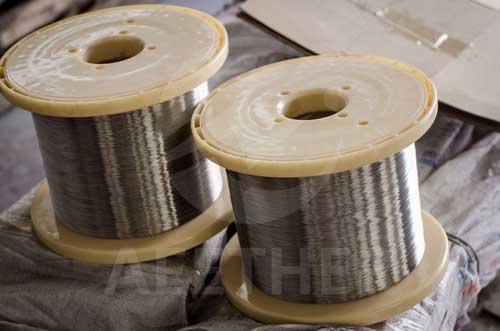
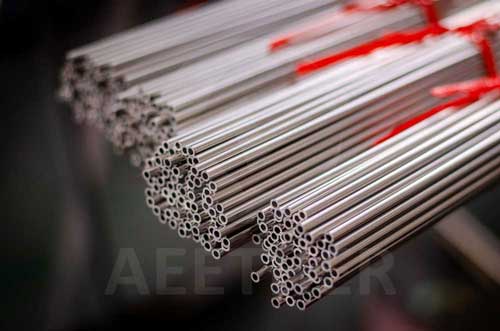
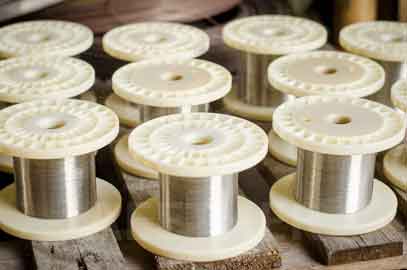
HASTELLOY® X® alloy is available in the form of plates, sheets, strips, billets, bars, wires, pipes, tubes, and covered electrodes. Applications include P2O5 evaporator tubes.
Heat-Treatment
Wrought forms of HASTELLOY® X alloy are furnished in the solution heat-treated condition unless otherwise specified. X alloy is typically solution heat-treated at 2150°F (1177°C) and rapid cooled. Bright annealed products are cooled in hydrogen. Annealing at temperatures lower than the solution heat- treating may cause precipitation of secondary phases, which may affect the alloy’s strength and ductility.
Useful for Aircraft, Furnace and Chemical Process Components
X alloy has wide use in gas turbine engines for combustion zone components such as transition ducts, combustor cans, spray bars and flame holders as well as in afterburners, tailpipes and cabin heaters. It is recommended for use in industrial furnace applications because it has unusual resistant to oxidizing, reducing and neutral atmospheres. Furnace rolls of this alloy were still in good condition after operating for 8,700 hours at 2150°F (1177°C). HASTELLOY® X alloy is also used in the chemical process industry for retorts, muffles, catalyst support grids, furnace baffles, tubing for pyrolysis operations and flash drier components.
Specifications
HASTELLOY® X is covered by ASME Section VIII, Division 1. Plate, sheet, strip, bar, forging, tubing, pipe, and fittings are covered by ASME specifications SB 366, SB 435, SB 572, SB 619, SB 622, and SB 626 and ASTM specifications B 366, B 435, B 572, B 619, B 622, and B626. The UNS number for the alloy is N06002. DIN designations are No. 2.4665 and NiCr22Fe18Mo. Sheet, strip, and plate are also covered by AMS specification 5536, and billet and bar are covered by AMS 5754.
Hastelloy X Chemical Composition
S ≤ 0.030%
Si ≤ 1.00%
C: 0.05% ~ 0.15%
Mn ≤ 1.00%
P ≤ 0.040%
B ≤ 0.008%
Al ≤ 0.50%
Ti ≤ 0.15%
Co: 0.50% ~ 2.50%
Nb ≤ 0.50%
W: 0.2% ~ 1.0%
Fe: 17.0% ~ 20.0%
Mo: 8.0% ~ 10.0%
Cr: 20.5% ~ 23.0%
Ni: 41.3% ~ 53.7%
Try our Premium Products






Get a Free Quote NOW
Hastelloy X Standards
Data Sheet
Physical Properties
| Density | g/cm3 | 8.22 | |
|---|---|---|---|
| lb/in.3 | 0.297 | ||
| Melting Range | °F | 2300 - 2470 | |
| °C | 1260 - 1355 | ||
| Poisson’s Ratio | 0.32 | ||
| Magnetic Permeability | 200 oersted | 1.002 | |
Mechanical Properties
| Test Temperature | Yield Strength (0.2% Offset) |
Tensile Strength | Elongation | |||
|---|---|---|---|---|---|---|
| °F | °C | ksi | MPa | ksi | MPa | % |
| Plate | ||||||
| 70 | 21 | 49.3 | 340 | 110.2 | 760 | 48.9 |
| 1000 | 538 | 32.5 | 224 | 87.6 | 604 | 60.2 |
| 1200 | 649 | 30.7 | 212 | 80.9 | 558 | 63.5 |
| 1400 | 760 | 31.6 | 218 | 61 | 421 | 74.5 |
| 1600 | 871 | 27.4 | 189 | 37 | 255 | 98.1 |
| 1800 | 982 | 13.6 | 94 | 20 | 138 | 98.1 |
| 2000 | 1093 | 6.5 | 45 | 10.4 | 72 | 95.3 |
| Sheet | ||||||
| 70 | 21 | 54.5 | 376 | 113.5 | 783 | 46.5 |
| 1000 | 538 | 36.7 | 253 | 91 | 628 | 53.6 |
| 1200 | 649 | 34.9 | 241 | 84.2 | 580 | 65.5 |
| 1400 | 760 | 33.8 | 233 | 61.6 | 424 | 95.6 |
| 1600 | 871 | 28 | 193 | 36.5 | 251 | 117.9 |
| 1800 | 982 | 12.8 | 88 | 18.9 | 130 | 81.5 |
| 2000 | 1093 | 6.2 | 43 | 9.5 | 65 | 50.6 |
Hastelloy X Applications


FAQ
What is the difference between Hastelloy X and Hastelloy C-276?
Hastelloy X and Hastelloy C-276 have different design focuses. On the one hand, Hastelloy X has a higher chromium content and a lower molybdenum content. Consequently, it is suitable for use in different corrosive environments than Hastelloy C-276. Additionally, the addition of cobalt in Hastelloy X gives it superior high-temperature performance compared to Hastelloy C-276.
Do you smelt the materials yourselves or purchase them from external suppliers?
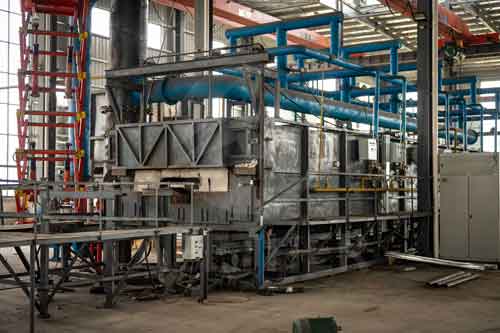
We smelt the materials ourselves; our factory is equipped with over 30 vacuum smelting furnaces and electroslag remelting furnaces. Our furnaces come in four sizes: 50 kg, 200 kg, 1,000 kg, and 5,000 kg, to accommodate production requirements for various batch sizes. It is precisely because we possess this in-house smelting capability that we are able to accept smaller minimum order quantities.
Why do the mechanical properties of different products vary?
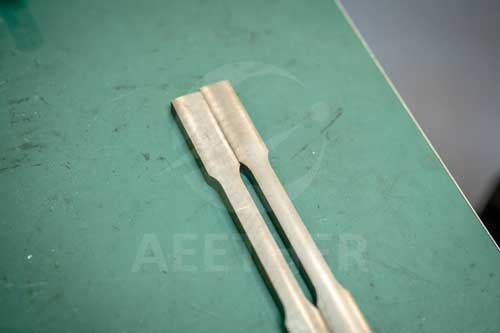
Differences in mechanical properties may stem from the following factors:
1) Variations in production processes;
2) Differences in cold working and heat treatment methods;
3) Variations in dimensional specifications.
Is Hastelloy X suitable for ambient or high-temperature applications?
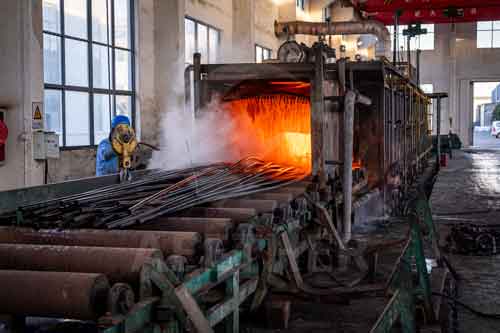
Hastelloy X is an alloy primarily used in high-temperature environments. At high temperatures, it not only maintains a stable structure but also exhibits excellent corrosion resistance and strength. Its creep and fatigue properties at high temperatures are also superior to those of many other alloys.
How quickly can I expect a quote from you?
Our team guarantees efficient handling of inquiries. Under normal circumstances, you will receive a quote within 24 hours. If we are temporarily unable to provide a quote due to missing information, we will contact you promptly to explain the specific reasons and the next steps.
Do you support custom shapes for products?
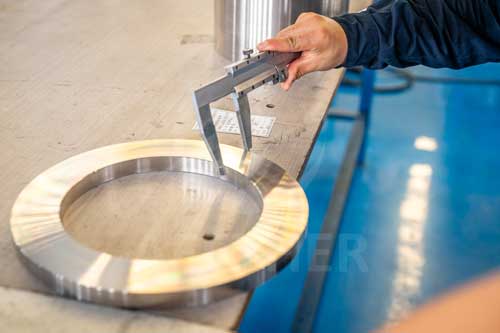
Yes, we can perform further shaping on existing products. For example, seamless tubes can be modified into U-shaped tubes, and round bars or plates can be cut into discs. We also have the capability to custom-manufacture products in shapes such as rings and blocks.
What exactly do mechanical properties refer to?
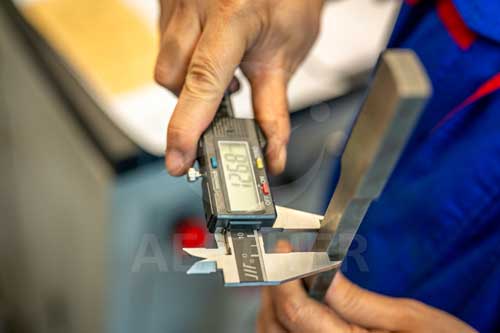
They describe the response characteristics of a material under external forces. Tensile properties are the most common category, and tensile strength, yield strength, elongation, and reduction of area are typical tensile property indicators. These reflect the material’s behavior during tensile testing from different perspectives, including strength, deformation, and fracture.
Related Article





More Hastelloy Grades +
B
S ≤ 0.030%
Si
Si ≤ 1.00%
C ≤ 0.05%
Mn
Mn ≤ 1.00%
P ≤ 0.040%
V
V: 0.20% ~ 0.40%
Co
Co ≤ 2.50%
Fe
Fe: 4.0% ~ 6.0%
Mo
Mo: 26.0% ~ 30.0%
Cr
Cr ≤ 1.0%
Ni
Ni: 58.0% ~ 64.2%
B-2
S ≤ 0.030%
Si ≤ 0.10%
C ≤ 0.02%
Mn
Mn ≤ 1.00%
P ≤ 0.040%
Co
Co ≤ 1.00%
Fe
Fe ≤ 2.0%
Mo
Mo: 26.0% ~ 30.0%
Cr
Cr ≤ 1.0%
Ni
Ni: 65.0% ~ 74.0%
B-3
S ≤ 0.010%
Si ≤ 0.10%
C ≤ 0.01%
Mn
Mn ≤ 3.00%
P ≤ 0.030%
Zr ≤ 0.10%
V
V ≤ 0.20%
W
W ≤ 3.0%
Co
Co ≤ 3.00%
Nb
Nb ≤ 0.20%
Ta
Ta ≤ 0.20%
Al
Al ≤ 0.50%
Ti
Ti ≤ 0.20%
Cu
Cu ≤ 0.20%
Fe
Fe: 1.0% ~ 3.0%
Mo
Mo: 27.0% ~ 32.0%
Cr
Cr: 1.0% ~ 3.0%
Ni
Ni: 65.0% ~ 71.0%
C
S ≤ 0.030%
Si
Si ≤ 1.00%
C
C ≤ 0.08%
Mn
Mn ≤ 1.00%
P ≤ 0.040%
V
V ≤ 0.35%
W
W: 3.0% ~ 4.4%
Co
Co ≤ 2.50%
Fe
Fe: 4.0% ~ 7.0%
Mo
Mo: 15.0% ~ 17.0%
Cr
Cr: 14.5% ~ 16.5%
Ni
Ni: 50.0% ~ 58.0%
C-4
S ≤ 0.030%
Si ≤ 0.08%
C ≤ 0.015%
Mn
Mn ≤ 1.00%
P ≤ 0.040%
Co
Co ≤ 2.00%
Ti
Ti ≤ 0.70%
Fe
Fe ≤ 3.0%
Mo
Mo: 14.0% ~ 17.0%
Cr
Cr: 14.0% ~ 18.0%
Ni
Ni: 58.2% ~ 72.0%
C-22
S ≤ 0.020%
Si ≤ 0.08%
C ≤ 0.015%
Mn
Mn ≤ 0.50%
P ≤ 0.020%
V
V ≤ 0.35%
W
W: 2.5% ~ 3.5%
Co
Co ≤ 2.50%
Fe
Fe: 2.0% ~ 6.0%
Mo
Mo: 12.5% ~ 14.5%
Cr
Cr: 20.0% ~ 22.5%
Ni
Ni: 50.1% ~ 63.0%
C-22HS
S ≤ 0.015%
Si ≤ 0.08%
C ≤ 0.01%
Mn
Mn ≤ 0.50%
P ≤ 0.025%
B ≤ 0.006%
W
W ≤ 0.8%
Co
Co ≤ 1.00%
Ta
Ta ≤ 0.20%
Al
Al ≤ 0.50%
Cu
Cu ≤ 0.50%
Fe
Fe ≤ 1.8%
Mo
Mo: 15.5% ~ 17.4%
Cr
Cr: 20.0% ~ 21.4%
Ni
Ni: 56.6% ~ 64.5%
C-276
S ≤ 0.030%
Si ≤ 0.08%
C ≤ 0.01%
Mn
Mn ≤ 1.00%
P ≤ 0.040%
V
V ≤ 0.35%
W
W: 3.0% ~ 4.5%
Co
Co ≤ 2.50%
Fe
Fe: 4.0% ~ 7.0%
Mo
Mo: 15.0% ~ 17.0%
Cr
Cr: 14.5% ~ 16.5%
Ni
Ni: 51.0% ~ 63.5%
C-2000
S ≤ 0.010%
Si ≤ 0.08%
C ≤ 0.01%
Mn
Mn ≤ 0.50%
P ≤ 0.025%
Co
Co ≤ 2.00%
Al
Al ≤ 0.50%
Cu
Cu: 1.30% ~ 1.90%
Fe
Fe ≤ 3.0%
Mo
Mo: 15.0% ~ 17.0%
Cr
Cr: 22.0% ~ 24.0%
Ni
Ni: 51.0% ~ 61.7%
G-3
S ≤ 0.030%
Si
Si ≤ 1.00%
C ≤ 0.015%
Mn
Mn ≤ 1.00%
P ≤ 0.040%
W
W ≤ 1.5%
Co
Co ≤ 5.00%
Nb + Ta ≤ 0.50%
Nb + Ta ≤ 0.50%
Cu
Cu: 1.50% ~ 2.50%
Fe
Fe: 18.0% ~ 21.0%
Mo
Mo: 6.0% ~ 8.0%
Cr
Cr: 21.0% ~ 23.5%
Ni
Ni: 36.9% ~ 45.4%
G-30
S ≤ 0.020%
Si
Si ≤ 0.80%
C ≤ 0.03%
Mn
Mn ≤ 1.50%
P ≤ 0.040%
W
W: 1.5% ~ 4.0%
Co
Co ≤ 5.00%
Nb
Nb + Ta: 0.30% ~ 1.50%
Ta
Nb + Ta: 0.30% ~ 1.50%
Cu
Cu: 1.00% ~ 2.40%
Fe
Fe: 13.0% ~ 17.0%
Mo
Mo: 4.0% ~ 6.0%
Cr
Cr: 28.0% ~ 31.5%
Ni
Ni: 30.2% ~ 47.2%
G-35
S ≤ 0.015%
Si
Si ≤ 0.60%
C ≤ 0.05%
Mn
Mn ≤ 0.50%
P ≤ 0.030%
V
V ≤ 0.20%
W
W ≤ 0.6%
Co
Co ≤ 1.00%
Al
Al ≤ 0.40%
Cu
Cu ≤ 0.30%
Fe
Fe ≤ 2.0%
Mo
Mo: 7.6% ~ 9.0%
Cr
Cr: 32.25% ~ 34.25%
Ni
Ni: 51.5% ~ 60.1%
N
S ≤ 0.020%
Si
Si ≤ 1.00%
C: 0.04% ~ 0.08%
Mn
Mn ≤ 1.00%
P ≤ 0.015%
B ≤ 0.010%
V
V ≤ 0.50%
W
W ≤ 0.5%
Co
Co ≤ 0.20%
Al + Ti ≤ 0.5%
Al + Ti ≤ 0.50%
Cu
Cu ≤ 0.35%
Fe
Fe ≤ 5.0%
Mo
Mo: 15.0% ~ 18.0%
Cr
Cr: 6.0% ~ 8.0%
Ni
Ni: 64.9% ~ 78.9%
S
Si
Si ≈ 0.40%
C ≤ 0.02%
Mn
Mn ≤ 0.50%
B ≤ 0.015%
W
W ≤ 1.0%
La ≈ 0.020%
Co
Co ≤ 2.00%
Al
Al ≤ 0.25%
Fe
Fe ≤ 3.0%
Mo
Mo ≈ 15.0%
Cr
Cr ≈ 16.0%
Ni
Ni ≥ 67.0%
W
S ≤ 0.030%
Si
Si ≤ 1.00%
C
C ≤ 0.12%
Mn
Mn ≤ 1.00%
P ≤ 0.040%
V
V ≤ 0.60%
W
W ≤ 1.0%
Co
Co ≤ 2.50%
Fe
Fe: 4.0% ~ 7.0%
Mo
Mo: 23.0% ~ 26.0%
Cr
Cr: 4.0% ~ 6.0%
Ni
Ni: 55.8% ~ 69.0%
X
S ≤ 0.030%
Si
Si ≤ 1.00%
C
C: 0.05% ~ 0.15%
Mn
Mn ≤ 1.00%
P ≤ 0.040%
B ≤ 0.008%
W
W: 0.2% ~ 1.0%
Co
Co: 0.50% ~ 2.50%
Nb
Nb ≤ 0.50%
Al
Al ≤ 0.50%
Ti ≤ 0.15%
Fe
Fe: 17.0% ~ 20.0%
Mo
Mo: 8.0% ~ 10.0%
Cr
Cr: 20.5% ~ 23.0%
Ni
Ni: 41.3% ~ 53.7%