
Hastelloy Alloy
C-276

Get a Free Quote NOW
Send Inquiry and Get Our Latest Full Set Data Sheet
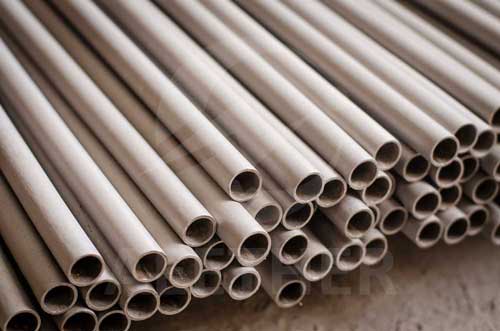
Hastelloy C-276
Pipes
Contact Now


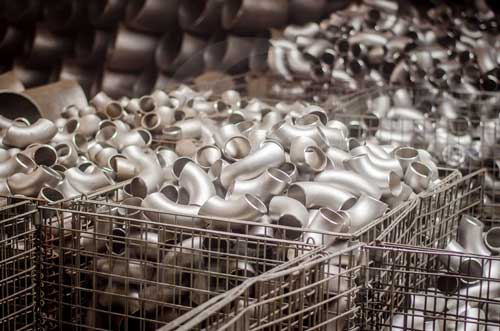


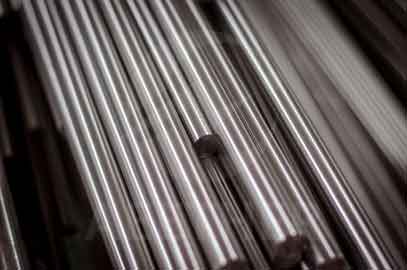


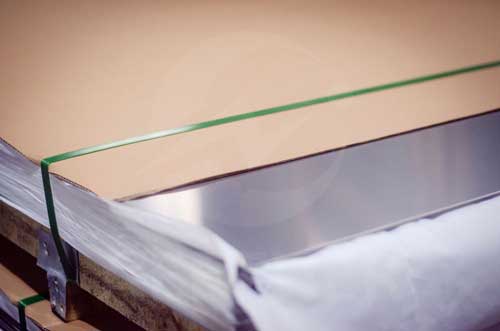


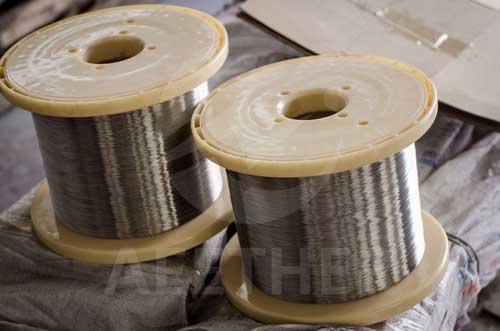


Hastelloy C-276 Introduction

Solid Solution
Strengthened Alloy
Resistance
Behavior
Corrosion Resistance
Sulfuric
Acid
Hydrochloric
Acid
Hydrofluoric
Acid
Phosphoric
Acid
Nitric
Acid
Organic
Acids
Alkalies
and Salts
Seawater
Overview
As a leading supplier and manufacturer in China, AEETHER provides cost-effective Hastelloy C-276 products.
Hastelloy C-276 (UNS N10276 / W.Nr. 2.4819) is a very commonly used nickel-chromium-molybdenum alloy. Among superalloys, it is known for its high molybdenum content.
First, as a corrosion-resistant element, molybdenum brings very high resistance to reductive corrosion to the alloy. By combining with nickel and chromium, Hastelloy C-276 has very good overall corrosion resistance. Compared with stainless steel, its excellent resistance to stress corrosion cracking in chloride-containing solutions cannot be replaced.
Secondly, the solid solution strengthening effect of molybdenum and tungsten elements is very obvious, and they bring very high strength to Hastelloy C-276 alloy. Like other nickel alloys, Hastelloy C-276 has good ductility. It is easy to shape and weld.
Hastelloy C-276 alloy is well suited for gas melting arc (GMA/MIG), gas tungsten arc (GTA/TIG) and shielded metal arc (SMA/Stick) welding processes. Hastelloy C-276 is ideal for marine applications. Its corrosion resistance makes it resistant to various corrosive substances in flowing seawater for a long time. However, Hastelloy C-276 also has good overall performance at high temperatures. It is very suitable for the preparation equipment of various corrosive chemicals or the reactor of various acidic substances.
Corrosion Resistance
First, Hastelloy C-276 alloy exhibits extremely high resistance to chloride-induced pitting and crevice corrosion. These forms of corrosion are particularly prone to occur in austenitic stainless steels.
Second, similar to other nickel alloys, one of the key features of Hastelloy C-276 is its resistance to chloride-induced stress corrosion cracking.
Additionally, Hastelloy C-276 has demonstrated exceptional ability to resist seawater corrosion. Sea water is the most common salt water solution. It is widely used in marine and offshore oil rigs and as a coolant in coastal installations.
Finally, although the microstructural inhomogeneity of the weld may result in slightly higher corrosion rates (relative to a uniformly forged product), Hastelloy C-276 is still able to resist corrosion in the weld area and exhibit excellent performance.
Mechanical Behavior
Hastelloy C-276 is a solid solution alloy. This alloy has good solid solution strengthening effect. Hastelloy C-276 is stronger than stainless steel, and even stronger than most solid solution alloys. Therefore, it is also easier to increase strength through cold working.
Note, however, that cold working will generally affect the resistance of Hastelloy C-276 to stress corrosion cracking. Proper annealing is very important for cold worked parts in order to achieve optimum corrosion performance. The corrosion resistance and ductility of this alloy can be improved by proper annealing process. In addition, for Hastelloy C-276, it is recommended to use a faster cooling rate for annealing.
Hastelloy C-276 Chemical Composition
S ≤ 0.030%
Si ≤ 0.08%
C ≤ 0.01%
Mn ≤ 1.00%
P ≤ 0.040%
Co ≤ 2.50%
V ≤ 0.35%
W: 3.0% ~ 4.5%
Fe: 4.0% ~ 7.0%
Mo: 15.0% ~ 17.0%
Cr: 14.5% ~ 16.5%
Ni: 51.0% ~ 63.5%
Popular Hastelloy C-276 Products
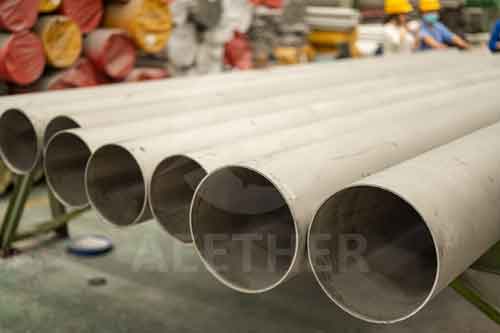
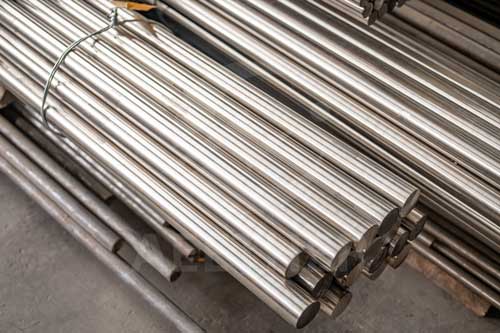
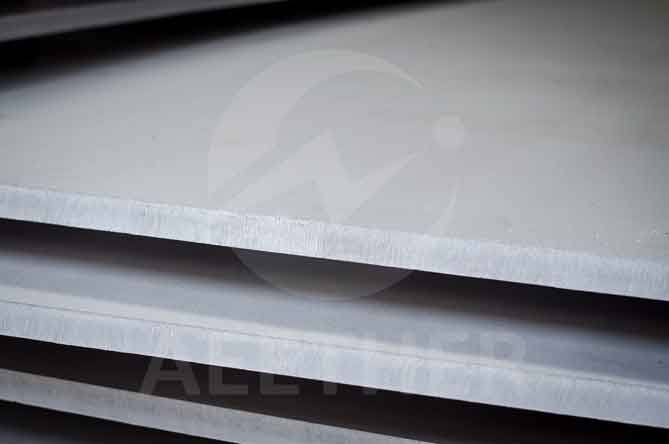
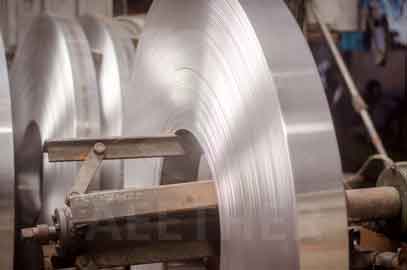
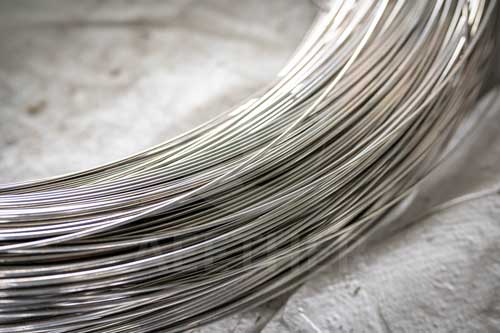
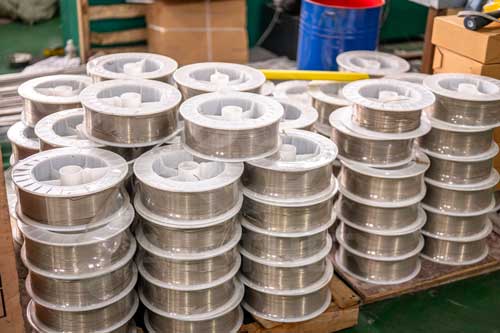
Try our Premium Products


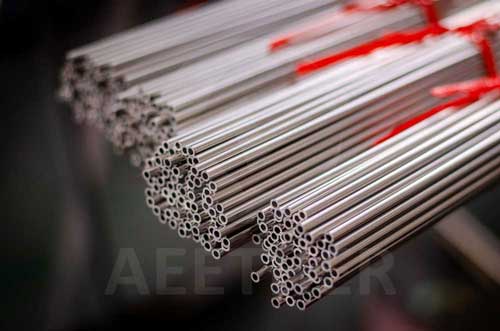




Get a Free Quote NOW
Hastelloy C-276 Standards
Data Sheet
Physical Properties
| Density | g/cm3 | 8.89 | |
|---|---|---|---|
| lb/in.3 | 0.321 | ||
| Melting Range | °F | 2415 - 2500 | |
| °C | 1323 - 1371 | ||
| Poisson’s Ratio | 0.31 | ||
| Magnetic Permeability | 200 oersted | 1.0002 | |
| 15.9 kA/m | 1.0002 | ||
Mechanical Properties
| Form | Test Temperature | Thickness | Yield Strength (0.2% Offset) |
Tensile Strength | Elongation | ||||
|---|---|---|---|---|---|---|---|---|---|
| °F | °C | in | mm | ksi | MPa | ksi | MPa | % | |
| Sheet | RT | RT | 0.078 | 2 | 51.6 | 356 | 114.9 | 792 | 61 |
| Sheet | 400 | 204 | 0.078 | 2 | 42 | 290 | 100.6 | 694 | 59 |
| Sheet | 600 | 316 | 0.078 | 2 | 35.9 | 248 | 98.8 | 681 | 68 |
| Sheet | 800 | 427 | 0.078 | 2 | 32.7 | 225 | 94.3 | 650 | 67 |
| Sheet | 400 | 204 | 0.094 | 2.4 | 39.9 | 275 | 101 | 696 | 58 |
| Sheet | 600 | 316 | 0.094 | 2.4 | 33.5 | 231 | 97.6 | 673 | 64 |
| Sheet | 800 | 427 | 0.094 | 2.4 | 29.7 | 205 | 93.5 | 645 | 64 |
| Sheet | 400 | 204 | 0.063-0.187 | 1.6-4.7 | 42.1 | 290 | 100.8 | 695 | 56 |
| Sheet | 600 | 316 | 0.063-0.187 | 1.6-4.7 | 37.7 | 260 | 97 | 669 | 64 |
| Sheet | 800 | 427 | 0.063-0.187 | 1.6-4.7 | 34.8 | 240 | 95 | 655 | 65 |
| Sheet | 1000 | 538 | 0.063-0.187 | 1.6-4.7 | 33.8 | 233 | 88.9 | 613 | 60 |
| Plate | 400 | 204 | 0.188-1.0 | 4.8-25.4 | 38.2 | 263 | 98.9 | 682 | 61 |
| Plate | 600 | 316 | 0.188-1.0 | 4.8-25.4 | 34.1 | 235 | 94.3 | 650 | 66 |
| Plate | 800 | 427 | 0.188-1.0 | 4.8-25.4 | 32.7 | 225 | 91.5 | 631 | 60 |
| Plate | 1000 | 538 | 0.188-1.0 | 4.8-25.4 | 32.8 | 226 | 87.2 | 601 | 59 |
| Plate | RT | RT | 1 | 25.4 | 52.9 | 365 | 113.9 | 785 | 59 |
| Plate | 600 | 316 | 1 | 25.4 | 36.2 | 250 | 96.3 | 664 | 63 |
| Plate | 800 | 427 | 1 | 25.4 | 30.5 | 210 | 94.8 | 654 | 61 |
Hastelloy C-276 Applications


FAQ
Why is Hastelloy C-276 so widely used?
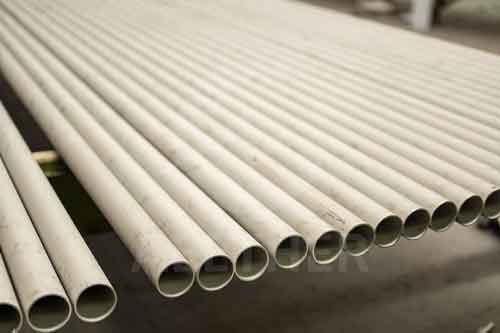
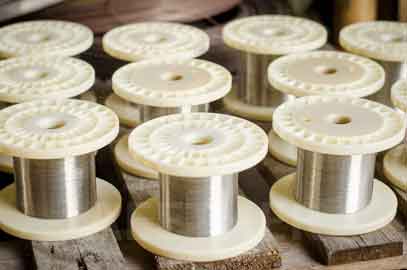
Hastelloy C-276 exhibits exceptional overall performance characteristics. Whether it concerns high-temperature resistance, oxidation resistance, or resistance to reducing corrosion, Hastelloy C-276 performs admirably across the board. Consequently, unless your project demands extreme performance in a specific, singular aspect, Hastelloy C-276 - with its well-balanced combination of properties - is a choice you simply cannot go wrong with.
What are the roles of the primary elements in Hastelloy C-276?
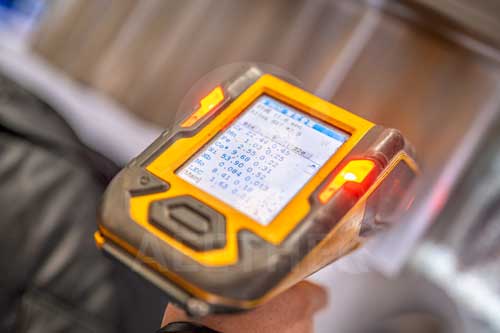
Nickel serves as the matrix element for the Hastelloy C-276 alloy. It ensures the alloy's structural stability and high-temperature performance. Chromium facilitates the formation of a protective oxide layer on the alloy's surface, thereby preventing oxidation. Molybdenum not only provides resistance against reducing corrosion but also contributes to solid-solution strengthening, endowing Hastelloy C-276 with a higher tensile strength than that of typical nickel-based alloys.
Could you explain the significance of UNS and W.Nr.?
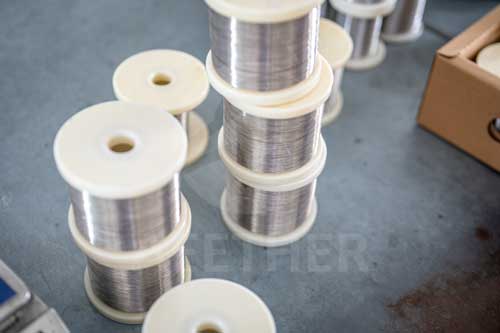
UNS and W.Nr. are standardized numbering systems established to unify material designations. Their core objective is to ensure that each specific material grade corresponds to a unique identifier, thereby preventing ambiguity and confusion caused by inconsistent nomenclature. In terms of scope, UNS numbers are typically applied to materials adhering to U.S. standards, while W.Nr. numbers are widely adopted for materials adhering to European standards.
Which smelting method does your company employ?
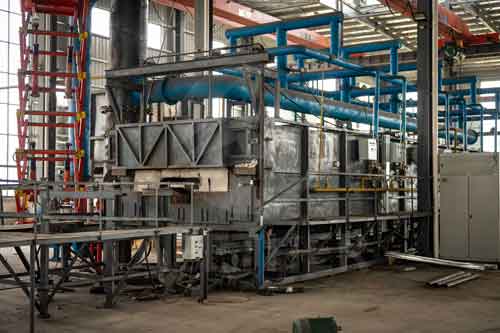
We utilize a smelting process that combines Vacuum Induction Melting (VIM) with Electro-Slag Remelting (ESR). In fact, all high-quality superalloys should ideally be produced using this method, as it guarantees that the alloy's purity meets the most stringent requirements. If alternative smelting methods are employed, the material is highly susceptible to developing performance defects - such as the presence of inclusions or compositional inhomogeneity - during the production process.
Could you explain the concept of solid-solution strengthening?
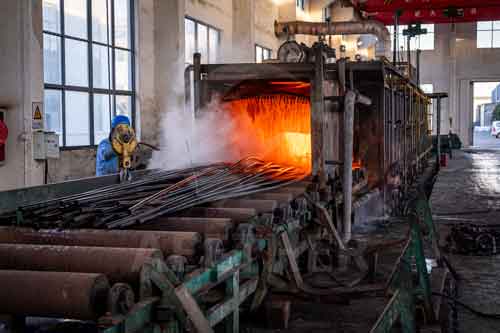
Solid-solution strengthening is a specific mechanism of strengthening found in alloys. It refers to the process wherein matrix elements (such as nickel, cobalt, or iron) dissolve other elements (such as chromium, molybdenum, tungsten, or niobium) into their own crystal lattices. This dissolution process significantly enhances the alloy's mechanical strength - hence the term "strengthening." The most common matrix elements involved are nickel, cobalt, and iron, while the typical solute elements include chromium, molybdenum, tungsten, and niobium, among others.
Is the pricing subject to market fluctuations?
Yes, alloy prices are significantly influenced by the metal raw materials market. Specifically, price fluctuations in key constituent elements - such as nickel, molybdenum, and cobalt - will trigger corresponding adjustments in alloy prices. Such volatility is a standard feature of this industry.
Could you assist us with arranging the shipment?
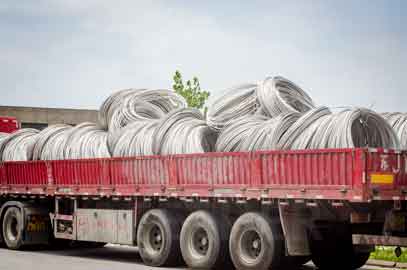
We typically operate under FOB trade terms, which means you are responsible for contacting a freight forwarder to arrange the shipment yourself. We will, however, assist your forwarder in handling the local customs clearance and shipping formalities. Nevertheless, if you find this process inconvenient and would prefer that we arrange the transportation on your behalf, we are certainly able to do so, and we will provide you with a separate quotation specifically for the shipping component.
Related Article










More Hastelloy Grades +
B
S ≤ 0.030%
Si
Si ≤ 1.00%
C ≤ 0.05%
Mn
Mn ≤ 1.00%
P ≤ 0.040%
V
V: 0.20% ~ 0.40%
Co
Co ≤ 2.50%
Fe
Fe: 4.0% ~ 6.0%
Mo
Mo: 26.0% ~ 30.0%
Cr
Cr ≤ 1.0%
Ni
Ni: 58.0% ~ 64.2%
B-2
S ≤ 0.030%
Si ≤ 0.10%
C ≤ 0.02%
Mn
Mn ≤ 1.00%
P ≤ 0.040%
Co
Co ≤ 1.00%
Fe
Fe ≤ 2.0%
Mo
Mo: 26.0% ~ 30.0%
Cr
Cr ≤ 1.0%
Ni
Ni: 65.0% ~ 74.0%
B-3
S ≤ 0.010%
Si ≤ 0.10%
C ≤ 0.01%
Mn
Mn ≤ 3.00%
P ≤ 0.030%
Zr ≤ 0.10%
V
V ≤ 0.20%
W
W ≤ 3.0%
Co
Co ≤ 3.00%
Nb
Nb ≤ 0.20%
Ta
Ta ≤ 0.20%
Al
Al ≤ 0.50%
Ti
Ti ≤ 0.20%
Cu
Cu ≤ 0.20%
Fe
Fe: 1.0% ~ 3.0%
Mo
Mo: 27.0% ~ 32.0%
Cr
Cr: 1.0% ~ 3.0%
Ni
Ni: 65.0% ~ 71.0%
C
S ≤ 0.030%
Si
Si ≤ 1.00%
C
C ≤ 0.08%
Mn
Mn ≤ 1.00%
P ≤ 0.040%
V
V ≤ 0.35%
W
W: 3.0% ~ 4.4%
Co
Co ≤ 2.50%
Fe
Fe: 4.0% ~ 7.0%
Mo
Mo: 15.0% ~ 17.0%
Cr
Cr: 14.5% ~ 16.5%
Ni
Ni: 50.0% ~ 58.0%
C-4
S ≤ 0.030%
Si ≤ 0.08%
C ≤ 0.015%
Mn
Mn ≤ 1.00%
P ≤ 0.040%
Co
Co ≤ 2.00%
Ti
Ti ≤ 0.70%
Fe
Fe ≤ 3.0%
Mo
Mo: 14.0% ~ 17.0%
Cr
Cr: 14.0% ~ 18.0%
Ni
Ni: 58.2% ~ 72.0%
C-22
S ≤ 0.020%
Si ≤ 0.08%
C ≤ 0.015%
Mn
Mn ≤ 0.50%
P ≤ 0.020%
V
V ≤ 0.35%
W
W: 2.5% ~ 3.5%
Co
Co ≤ 2.50%
Fe
Fe: 2.0% ~ 6.0%
Mo
Mo: 12.5% ~ 14.5%
Cr
Cr: 20.0% ~ 22.5%
Ni
Ni: 50.1% ~ 63.0%
C-22HS
S ≤ 0.015%
Si ≤ 0.08%
C ≤ 0.01%
Mn
Mn ≤ 0.50%
P ≤ 0.025%
B ≤ 0.006%
W
W ≤ 0.8%
Co
Co ≤ 1.00%
Ta
Ta ≤ 0.20%
Al
Al ≤ 0.50%
Cu
Cu ≤ 0.50%
Fe
Fe ≤ 1.8%
Mo
Mo: 15.5% ~ 17.4%
Cr
Cr: 20.0% ~ 21.4%
Ni
Ni: 56.6% ~ 64.5%
C-276
S ≤ 0.030%
Si ≤ 0.08%
C ≤ 0.01%
Mn
Mn ≤ 1.00%
P ≤ 0.040%
V
V ≤ 0.35%
W
W: 3.0% ~ 4.5%
Co
Co ≤ 2.50%
Fe
Fe: 4.0% ~ 7.0%
Mo
Mo: 15.0% ~ 17.0%
Cr
Cr: 14.5% ~ 16.5%
Ni
Ni: 51.0% ~ 63.5%
C-2000
S ≤ 0.010%
Si ≤ 0.08%
C ≤ 0.01%
Mn
Mn ≤ 0.50%
P ≤ 0.025%
Co
Co ≤ 2.00%
Al
Al ≤ 0.50%
Cu
Cu: 1.30% ~ 1.90%
Fe
Fe ≤ 3.0%
Mo
Mo: 15.0% ~ 17.0%
Cr
Cr: 22.0% ~ 24.0%
Ni
Ni: 51.0% ~ 61.7%
G-3
S ≤ 0.030%
Si
Si ≤ 1.00%
C ≤ 0.015%
Mn
Mn ≤ 1.00%
P ≤ 0.040%
W
W ≤ 1.5%
Co
Co ≤ 5.00%
Nb + Ta ≤ 0.50%
Nb + Ta ≤ 0.50%
Cu
Cu: 1.50% ~ 2.50%
Fe
Fe: 18.0% ~ 21.0%
Mo
Mo: 6.0% ~ 8.0%
Cr
Cr: 21.0% ~ 23.5%
Ni
Ni: 36.9% ~ 45.4%
G-30
S ≤ 0.020%
Si
Si ≤ 0.80%
C ≤ 0.03%
Mn
Mn ≤ 1.50%
P ≤ 0.040%
W
W: 1.5% ~ 4.0%
Co
Co ≤ 5.00%
Nb
Nb + Ta: 0.30% ~ 1.50%
Ta
Nb + Ta: 0.30% ~ 1.50%
Cu
Cu: 1.00% ~ 2.40%
Fe
Fe: 13.0% ~ 17.0%
Mo
Mo: 4.0% ~ 6.0%
Cr
Cr: 28.0% ~ 31.5%
Ni
Ni: 30.2% ~ 47.2%
G-35
S ≤ 0.015%
Si
Si ≤ 0.60%
C ≤ 0.05%
Mn
Mn ≤ 0.50%
P ≤ 0.030%
V
V ≤ 0.20%
W
W ≤ 0.6%
Co
Co ≤ 1.00%
Al
Al ≤ 0.40%
Cu
Cu ≤ 0.30%
Fe
Fe ≤ 2.0%
Mo
Mo: 7.6% ~ 9.0%
Cr
Cr: 32.25% ~ 34.25%
Ni
Ni: 51.5% ~ 60.1%
N
S ≤ 0.020%
Si
Si ≤ 1.00%
C: 0.04% ~ 0.08%
Mn
Mn ≤ 1.00%
P ≤ 0.015%
B ≤ 0.010%
V
V ≤ 0.50%
W
W ≤ 0.5%
Co
Co ≤ 0.20%
Al + Ti ≤ 0.5%
Al + Ti ≤ 0.50%
Cu
Cu ≤ 0.35%
Fe
Fe ≤ 5.0%
Mo
Mo: 15.0% ~ 18.0%
Cr
Cr: 6.0% ~ 8.0%
Ni
Ni: 64.9% ~ 78.9%
S
Si
Si ≈ 0.40%
C ≤ 0.02%
Mn
Mn ≤ 0.50%
B ≤ 0.015%
W
W ≤ 1.0%
La ≈ 0.020%
Co
Co ≤ 2.00%
Al
Al ≤ 0.25%
Fe
Fe ≤ 3.0%
Mo
Mo ≈ 15.0%
Cr
Cr ≈ 16.0%
Ni
Ni ≥ 67.0%
W
S ≤ 0.030%
Si
Si ≤ 1.00%
C
C ≤ 0.12%
Mn
Mn ≤ 1.00%
P ≤ 0.040%
V
V ≤ 0.60%
W
W ≤ 1.0%
Co
Co ≤ 2.50%
Fe
Fe: 4.0% ~ 7.0%
Mo
Mo: 23.0% ~ 26.0%
Cr
Cr: 4.0% ~ 6.0%
Ni
Ni: 55.8% ~ 69.0%
X
S ≤ 0.030%
Si
Si ≤ 1.00%
C
C: 0.05% ~ 0.15%
Mn
Mn ≤ 1.00%
P ≤ 0.040%
B ≤ 0.008%
W
W: 0.2% ~ 1.0%
Co
Co: 0.50% ~ 2.50%
Nb
Nb ≤ 0.50%
Al
Al ≤ 0.50%
Ti ≤ 0.15%
Fe
Fe: 17.0% ~ 20.0%
Mo
Mo: 8.0% ~ 10.0%
Cr
Cr: 20.5% ~ 23.0%
Ni
Ni: 41.3% ~ 53.7%