
Incoloy Alloy
A-286

Get a Free Quote NOW
Send Inquiry and Get Our Latest Full Set Data Sheet
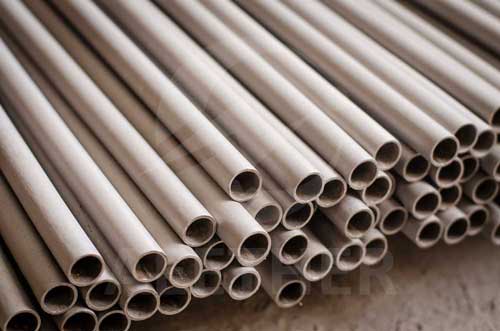
Incoloy A-286
Pipes
Contact Now


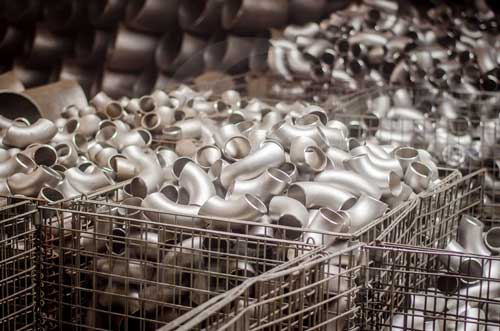


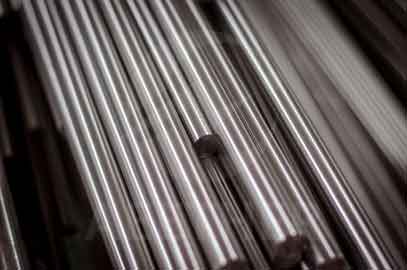


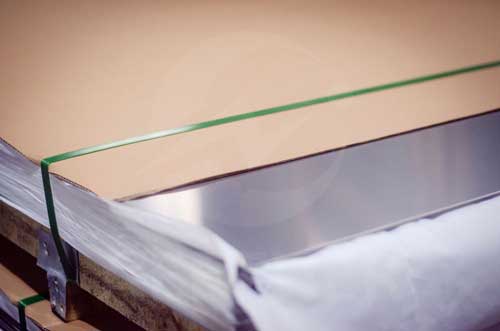


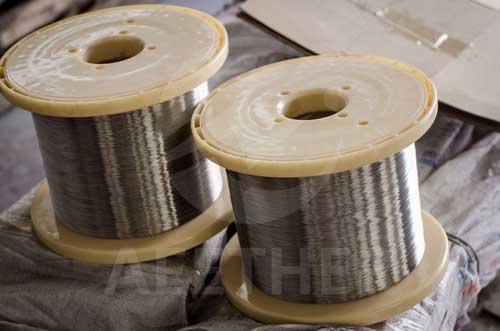


Incoloy A-286 Introduction

Precipitation
Strengthened Alloy
Resistance
Behavior
Overview
As a leading supplier & manufacturer in China, AEETHER supply cost-effective Incoloy A-286 Products.
INCOLOY® alloy A-286 (UNS S66286 / W.Nr. 1.4980) is an iron-nickel-chromium alloy with additions of molybdenum and titanium. It is agehardenable for high mechanical properties. The alloy maintains good strength and oxidation resistance at temperatures up to about 1300°F (700°C). The alloy is austenitic in all metallurgical conditions.
The high strength and excellent fabrication characteristics of INCOLOY alloy A-286 make the alloy useful for various components of aircraft and industrial gas turbines. It is also used for fastener applications in automotive engine and manifold components subject to high levels of heat and stress and in the offshore oil and gas industry.
Mechanical Properties
In the age-hardened condition, INCOLOY alloy A-286 has high strength at room temperature and retains high levels of strength at temperatures to about 1300°F (700°C).
Mechanical properties reported here are for material given the following heat treatment: solution treatment at 1800°F (980°C) plus age hardening at 1325°F (720°C)/16 h and air cooling.
Corrosion Resistance
The nickel and chromium contents of INCOLOY alloy A-286 provide resistance to corrosion and oxidation. The alloy has excellent resistance to oxidation at service temperatures up to about 1300°F (700°C).
Incoloy A-286 Chemical Composition
S ≤ 0.030%
Si ≤ 1.00%
C ≤ 0.08%
Mn ≤ 2.00%
P ≤ 0.040%
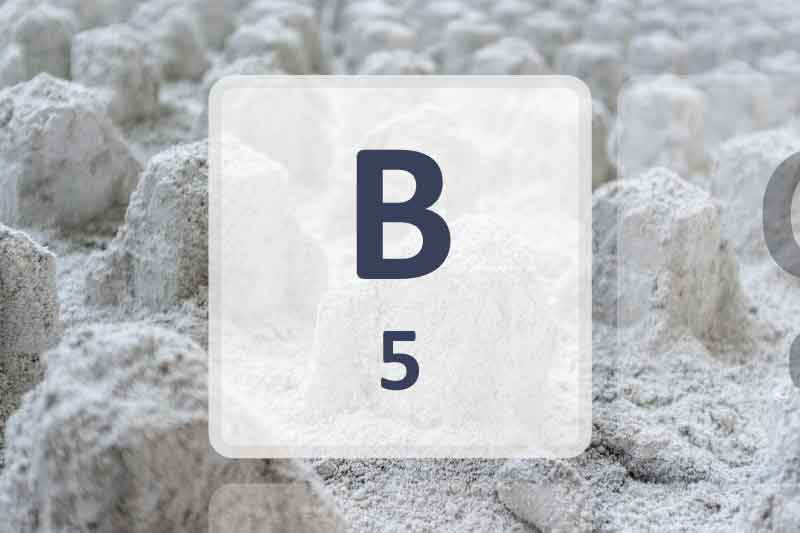
B: 0.001% ~ 0.010%
Al ≤ 0.35%
Ti: 1.90% ~ 2.35%
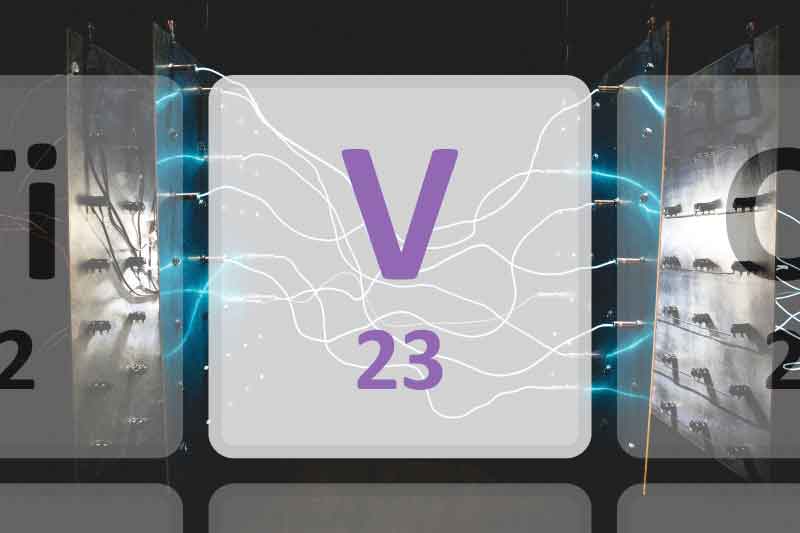
V: 0.10% ~ 0.50%
Mo: 1.00% ~ 1.50%
Fe: 49.1% ~ 56.0%
Cr: 13.5% ~ 16.0%
Ni: 24.0% ~ 27.0%
Try our Premium Products


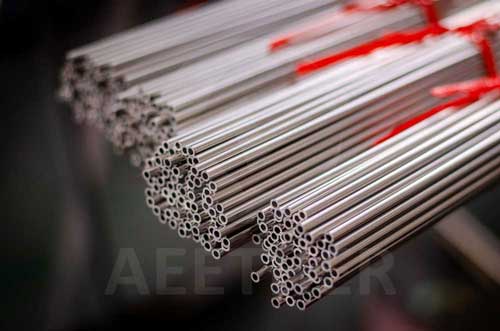


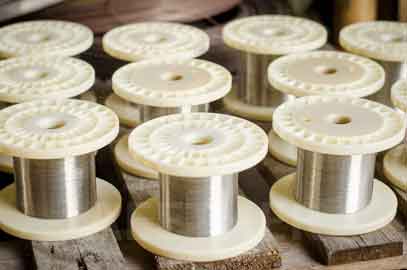


Get a Free Quote NOW
Incoloy A-286 Standards
Data Sheet
Physical Properties
| Density | g/cm3 | 7.94 | |
|---|---|---|---|
| lb/in.3 | 0.287 | ||
| Melting Range | °F | 2500 - 2600 | |
| °C | 1370 - 1430 | ||
| Specific Heat | Btu/lb•°F | 0.100 | |
| J/kg•°C | 419 | ||
| Permeability at 70°F (21°C) and 200 oersted (15.9 kA/m) | 1.007 | ||
Incoloy A-286 Applications


FAQ
What is the role of vanadium in Incoloy A-286?
Vanadium plays both solid solution strengthening and precipitation strengthening roles in alloys. Approximately 70%–87% of the vanadium enters the solid solution phase to increase the material's basic strength. 14%–29% of the vanadium enters the precipitation strengthening phase. Strength can be further enhanced through aging treatment.
What exactly does precipitation strengthening mean?
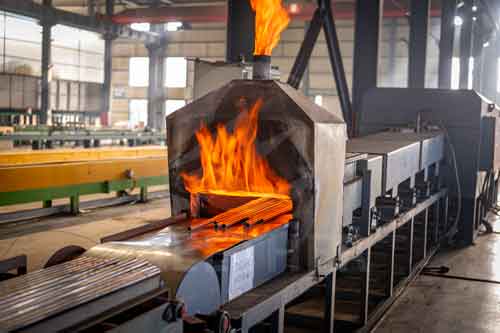
It refers to a special property of certain alloys: these alloys can enhance their strength through aging heat treatment. This strengthening effect stems from the precipitation of phases during the aging process. Not all alloys possess this characteristic. it depends on whether the alloy contains key elements such as aluminum, titanium, niobium, and tantalum, which form strengthening phases during aging.
How do you verify product quality?
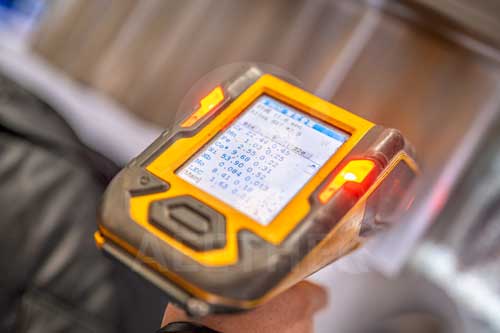
The material testing report is our quality certificate. Before shipment, we will issue this report according to standards, which includes complete information such as the material's implementation standard, chemical composition, mechanical properties, dimensions, and heat number for your verification.
What are the roles of the main elements in Incoloy A-286?
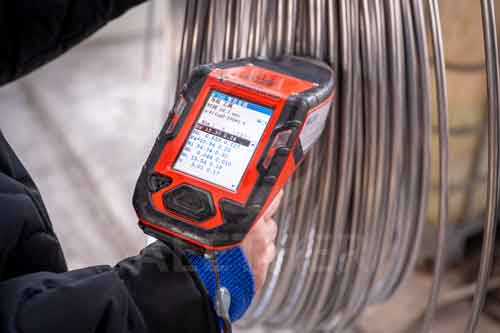
Nickel provides the alloy with basic high-temperature performance. Chromium and molybdenum provide resistance to oxidative and reducing corrosion, respectively. Aluminum and titanium are the main elements for precipitation strengthening. A higher iron content significantly reduces material costs. Vanadium plays a role in both solid solution strengthening and precipitation strengthening.
How can I purchase your products?
You can send your requirements to our email address [email protected], or submit them directly by filling out the form at the bottom of the page. Our sales team will send you a detailed quotation. If you are interested in our offer, you can send us your PO file. We will provide you with a PI for payment. Once we receive the prepayment, we will begin preparing production materials. We will notify you as soon as the materials are ready.
Why are the mechanical properties of different products different?
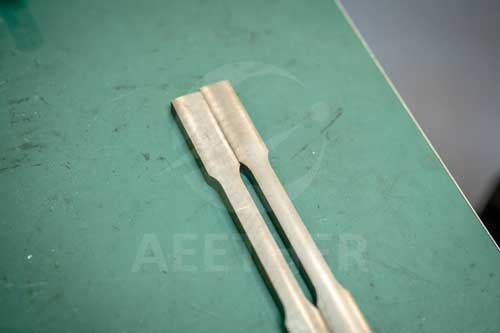
Differences in mechanical properties may be caused by several reasons:
1) Different manufacturing processes for different products;
2) Different cold working and heat treatment methods;
3) Different product dimensions.
What exactly do mechanical properties refer to?
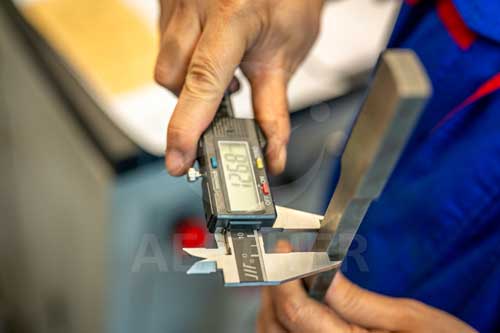
They describe the response characteristics of a material under external force. Tensile properties are one of the most common types, and tensile strength, yield strength, elongation, and reduction of area are typical tensile property indicators, reflecting the material's performance during the tensile process from different perspectives such as strength, deformation, and fracture.
Related Article






More Incoloy Grades +
800
S ≤ 0.015%
Si
Si ≤ 1.00%
C ≤ 0.10%
Mn
Mn ≤ 1.50%
Al
Al: 0.15% ~ 0.60%
Ti
Ti: 0.15% ~ 0.60%
Cu
Cu ≤ 0.75%
Fe
Fe ≥ 39.5%
Cr
Cr: 19.0% ~ 23.0%
Ni
Ni: 30.0% ~ 35.0%
800H
S ≤ 0.015%
Si
Si ≤ 1.00%
C
C: 0.05% ~ 0.10%
Mn
Mn ≤ 1.50%
Al
Al: 0.15% ~ 0.60%
Ti
Ti: 0.15% ~ 0.60%
Cu
Cu ≤ 0.75%
Fe
Fe ≥ 39.5%
Cr
Cr: 19.0% ~ 23.0%
Ni
Ni: 30.0% ~ 35.0%
800HT
S ≤ 0.015%
Si
Si ≤ 1.00%
C
C: 0.06% ~ 0.10%
Mn
Mn ≤ 1.50%
Al
Al + Ti: 0.85% ~ 1.20%
Ti
Al + Ti: 0.85% ~ 1.20%
Cu
Cu ≤ 0.75%
Fe
Fe ≥ 39.5%
Cr
Cr: 19.0% ~ 23.0%
Ni
Ni: 30.0% ~ 35.0%
803
S ≤ 0.015%
Si
Si ≤ 1.00%
C
C: 0.06% ~ 0.10%
Mn
Mn ≤ 1.50%
P ≤ 0.045%
Al
Al: 0.15% ~ 0.60%
Ti
Ti: 0.15% ~ 0.60%
Cu
Cu ≤ 0.75%
Fe
Fe: 29.4% ~ 39.4%
Cr
Cr: 25.0% ~ 29.0%
Ni
Ni: 32.0% ~ 37.0%
825
S ≤ 0.030%
Si
Si ≤ 0.50%
C ≤ 0.05%
Mn
Mn ≤ 1.00%
Al
Al ≤ 0.20%
Ti
Ti: 0.60% ~ 1.20%
Cu
Cu: 1.50% ~ 3.00%
Fe
Fe ≥ 22.0%
Mo
Mo: 2.5% ~ 3.5%
Cr
Cr: 19.5% ~ 23.5%
Ni
Ni: 38.0% ~ 46.0%
832
S ≤ 0.005%
Si
Si ≤ 0.70%
C ≤ 0.05%
Mn
Mn ≤ 0.40%
Al ≤ 0.15%
Ti
Ti ≤ 0.40%
Cu
Cu ≤ 0.75%
Fe
Fe: 60.6% ~ 68.9%
Mo
Mo ≤ 0.4%
Cr
Cr: 19.5% ~ 21.0%
Ni
Ni: 8.75% ~ 15.5%
864
S ≤ 0.015%
Si
Si: 0.6% ~ 1.0%
C
C ≤ 0.08%
Mn
Mn ≤ 1.00%
P ≤ 0.045%
Ti
Ti: 0.40% ~ 1.00%
Cu
Cu ≤ 0.75%
Fe
Fe: 29.1% ~ 43.9%
Mo
Mo: 4.0% ~ 4.8%
Cr
Cr: 20.0% ~ 25.0%
Ni
Ni: 30.0% ~ 38.0%
890
S ≤ 0.015%
Si
Si: 1.0% ~ 2.0%
C
C: 0.06% ~ 0.14%
Mn
Mn ≤ 1.50%
P ≤ 0.030%
Nb
Nb: 0.20% ~ 1.00%
Ta
Ta: 0.10% ~ 0.60%
Al
Al: 0.05% ~ 0.60%
Ti
Ti: 0.15% ~ 0.60%
Cu
Cu ≤ 0.75%
Fe
Fe ≥ 17.3%
Mo
Mo: 1.0% ~ 2.0%
Cr
Cr: 23.5% ~ 28.5%
Ni
Ni: 40.0% ~ 45.0%
903
Co
Co: 13.0% ~ 17.0%
Nb
Nb: 2.40% ~ 3.50%
Al
Al: 0.30% ~ 1.15%
Ti
Ti: 1.00% ~ 1.85%
Fe
Fe: 36.5% ~ 47.3%
Ni
Ni: 36.0% ~ 40.0%
907
Si
Si: 0.07% ~ 0.35%
Co
Co: 12.0% ~ 16.0%
Nb
Nb: 4.30% ~ 5.20%
Al
Al ≤ 0.20%
Ti
Ti: 1.30% ~ 1.80%
Fe
Fe: 36.5% ~ 47.1%
Ni
Ni: 35.0% ~ 40.0%
908
S ≤ 0.005%
Si
Si ≤ 0.50%
C ≤ 0.03%
Mn
Mn ≤ 1.00%
P ≤ 0.015%
B ≤ 0.012%
Co
Co ≤ 0.50%
Nb
Nb: 2.70% ~ 3.30%
Al
Al: 0.75% ~ 1.25%
Ti
Ti: 1.20% ~ 1.80%
Cu
Cu ≤ 0.50%
Fe
Fe ≥ 36.1%
Cr
Cr: 3.75% ~ 4.5%
Ni
Ni: 47.0% ~ 51.0%
909
S ≤ 0.015%
Si
Si: 0.25% ~ 0.50%
C ≤ 0.06%
Mn
Mn ≤ 1.00%
P ≤ 0.015%
B ≤ 0.012%
Co
Co: 12.0% ~ 16.0%
Nb
Nb: 4.30% ~ 5.20%
Ta ≤ 0.05%
Al ≤ 0.15%
Ti
Ti: 1.30% ~ 1.80%
Cu
Cu ≤ 0.50%
Fe
Fe: 36.3% ~ 46.9%
Cr
Cr ≤ 1.0%
Ni
Ni: 35.0% ~ 40.0%
925
S ≤ 0.030%
Si
Si ≤ 0.50%
C ≤ 0.03%
Mn
Mn ≤ 1.00%
P ≤ 0.030%
Nb
Nb ≤ 0.50%
Al
Al: 0.10% ~ 0.50%
Ti
Ti: 1.90% ~ 2.40%
Cu
Cu: 1.50% ~ 3.00%
Fe
Fe ≥ 22.0%
Mo
Mo: 2.5% ~ 3.5%
Cr
Cr: 19.5% ~ 22.5%
Ni
Ni: 42.0% ~ 46.0%
926
S ≤ 0.010%
Si
Si ≤ 0.50%
C ≤ 0.02%
Mn
Mn ≤ 2.00%
P ≤ 0.030%
N
N: 0.15% ~ 0.25%
Cu
Cu: 0.50% ~ 1.50%
Fe
Fe: 41.7% ~ 47.8%
Mo
Mo: 6.0% ~ 7.0%
Cr
Cr: 19.0% ~ 21.0%
Ni
Ni: 24.0% ~ 26.0%
945
S ≤ 0.030%
Si
Si ≤ 0.50%
C: 0.005% ~ 0.040%
Mn
Mn ≤ 1.00%
P ≤ 0.030%
Nb
Nb: 2.40% ~ 4.50%
Al
Al: 0.01% ~ 0.70%
Ti
Ti: 0.50% ~ 2.50%
Cu
Cu: 1.50% ~ 3.00%
Fe
Fe: 5.7% ~ 28.0%
Mo
Mo: 3.0% ~ 4.0%
Cr
Cr: 19.5% ~ 23.0%
Ni
Ni: 45.0% ~ 55.0%
945X
S ≤ 0.030%
Si
Si ≤ 0.50%
C: 0.005% ~ 0.030%
Mn
Mn ≤ 1.00%
P ≤ 0.030%
Nb
Nb: 3.50% ~ 4.50%
Al
Al: 0.01% ~ 0.70%
Ti
Ti: 0.50% ~ 2.50%
Cu
Cu: 1.50% ~ 3.00%
Fe
Fe: 6.2% ~ 20.4%
Mo
Mo: 3.0% ~ 4.0%
Cr
Cr: 19.5% ~ 22.5%
Ni
Ni: 50.0% ~ 55.0%
MA956
C
C ≤ 0.10%
Mn
Mn ≤ 0.30%
P ≤ 0.020%
Y2O3
Y2O3: 0.3% ~ 0.7%
Co
Co ≤ 0.30%
Al
Al: 3.75% ~ 5.75%
Ti
Ti: 0.20% ~ 0.60%
Cu ≤ 0.15%
Fe
Fe: 70.1% ~ 75.9%
Cr
Cr: 18.5% ~ 21.5%
Ni ≤ 0.5%
A-286
S ≤ 0.030%
Si
Si ≤ 1.00%
C
C ≤ 0.08%
Mn
Mn ≤ 2.00%
P ≤ 0.040%
B: 0.001% ~ 0.010%
V
V: 0.10% ~ 0.50%
Al
Al ≤ 0.35%
Ti
Ti: 1.90% ~ 2.35%
Fe
Fe: 49.1% ~ 56.0%
Mo
Mo: 1.00% ~ 1.50%
Cr
Cr: 13.5% ~ 16.0%
Ni
Ni: 24.0% ~ 27.0%
020
S ≤ 0.035%
Si
Si ≤ 1.00%
C ≤ 0.07%
Mn
Mn ≤ 2.00%
P ≤ 0.045%
Nb + Ta: 8*C% ~ 1.00%
Nb + Ta: 8*C% ~ 1.00%
Cu
Cu: 3.00% ~ 4.00%
Fe
Fe: 29.9% ~ 44.0%
Mo
Mo: 2.0% ~ 3.0%
Cr
Cr: 19.0% ~ 21.0%
Ni
Ni: 32.0% ~ 38.0%
028
S ≤ 0.030%
Si
Si ≤ 1.00%
C ≤ 0.03%
Mn
Mn ≤ 2.50%
P ≤ 0.030%
Cu
Cu: 0.60% ~ 1.40%
Fe
Fe: 29.0% ~ 36.8%
Mo
Mo: 3.0% ~ 4.0%
Cr
Cr: 26.0% ~ 28.0%
Ni
Ni: 30.0% ~ 34.0%
DS
S ≤ 0.030%
Si
Si: 1.90% ~ 2.60%
C
C ≤ 0.10%
Mn
Mn: 0.80% ~ 1.50%
Co
Ni + Co: 34.5% ~ 41.0%
Ti
Ti ≤ 0.20%
Cu
Cu ≤ 0.50%
Fe
Fe: 35.1% ~ 45.0%
Cr
Cr: 17.0% ~ 19.0%
Ni
Ni + Co: 34.5% ~ 41.0%
330
S ≤ 0.030%
Si
Si: 0.75% ~ 1.50%
C
C ≤ 0.08%
Mn
Mn ≤ 2.00%
P ≤ 0.030%
Cu
Cu ≤ 1.00%
Fe
Fe: 39.4% ~ 46.1%
Cr
Cr: 17.0% ~ 20.0%
Ni
Ni: 34.0% ~ 37.0%
25-6HN
S ≤ 0.030%
Si
Si ≤ 1.00%
C ≤ 0.03%
Mn
Mn ≤ 2.00%
P ≤ 0.040%
N
N: 0.18% ~ 0.25%
Cu
Cu ≤ 0.75%
Fe
Fe: 41.4% ~ 50.3%
Mo
Mo: 6.0% ~ 7.0%
Cr
Cr: 20.0% ~ 22.0%
Ni
Ni: 23.5% ~ 25.5%
27-7MO
S ≤ 0.010%
Si
Si ≤ 0.50%
C ≤ 0.02%
Mn
Mn ≤ 3.00%
P ≤ 0.030%
N
N: 0.30% ~ 0.40%
Cu
Cu: 0.50% ~ 1.50%
Fe
Fe: 35.5% ~ 42.6%
Mo
Mo: 6.5% ~ 8.0%
Cr
Cr: 20.5% ~ 23.0%
Ni
Ni: 26.0% ~ 28.0%