
Inconel Alloy
718

Get a Free Quote NOW
Send Inquiry and Get Our Latest Full Set Data Sheet
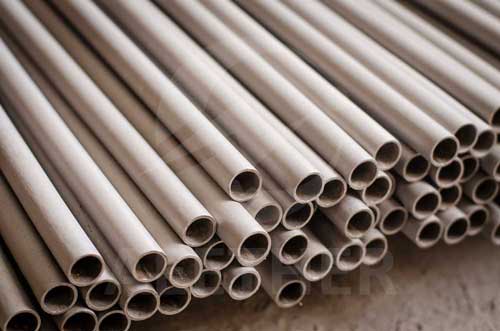
Inconel 718
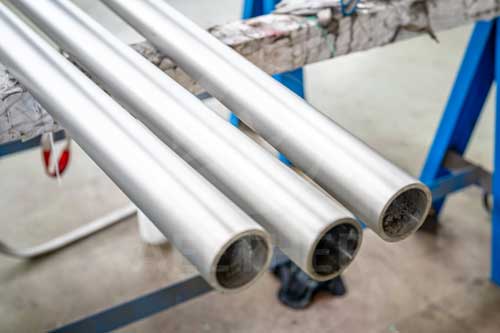
Pipes
Contact Now


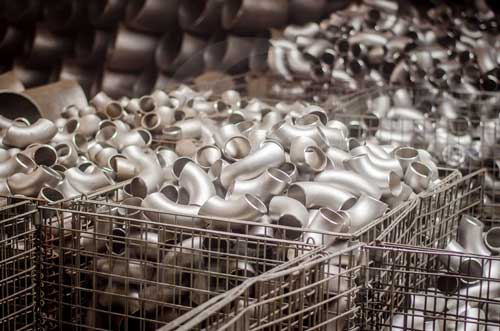


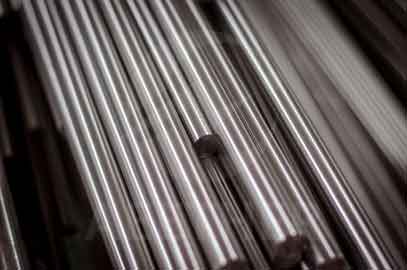


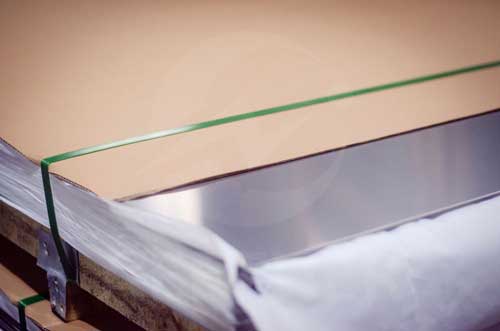


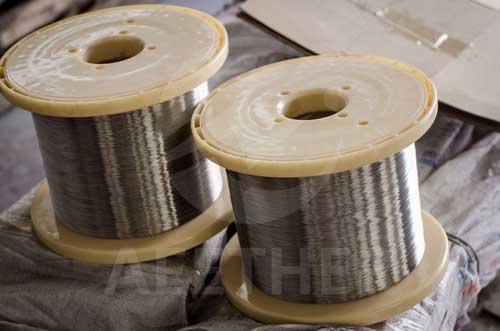


Inconel 718 Introduction

Precipitation
Strengthened Alloy
Resistance
Behavior
Overview
As a leading supplier & manufacturer in China, AEETHER supply cost-effective Inconel 718 Products.
INCONEL® alloy 718 (UNS N07718 / W.Nr. 2.4668) is a high-strength, corrosion-resistant nickel chromium material used at -423° to 1300°F.
The age-hardenable alloy can be readily fabricated, even into complex parts. Its welding characteristics, especially its resistance to postweld cracking, are outstanding.
The ease and economy with which INCONEL alloy 718 can be fabricated, combined with good tensile, fatigue, creep, and rupture strength, have resulted in its use in a wide range of applications. Examples of these are components for liquid fueled rockets, rings, casings and various formed sheet metal parts for aircraft and land-based gas turbine engines, and cryogenic tankage. It is also used for fasteners and instrumentation parts.
Mechanical Properties
For most applications, INCONEL alloy 718 is specified as: solution annealed and precipitation hardened (precipitation hardening, age hardening, and precipitation heat treatment are synonymous terms). Alloy 718 is hardened by the precipitation of secondary phases (e.g. gamma prime and gamma double-prime) into the metal matrix. The precipitation of these nickel- (aluminum, titanium, niobium) phases is induced by heat treating in the temperature range of 1100 to 1500°F. For this metallurgical reaction to properly take place, the aging constituents (aluminum, titanium, niobium) must be in solution (dissolved in the matrix); if they are precipitated as some other phase or are combined in some other form, they will not precipitate correctly and the full strength of the alloy with not be realized. To perform this function, the material must first be solution heat treated (solution annealed is a synonymous term).
Corrosion Resistance
INCONEL alloy 718 has excellent corrosion resistance to many media. This resistance, which is similar to that of other nickel-chromium alloys, is a function of its composition. Nickel contributes to corrosion resistance in many inorganic and organic, other than strongly oxidizing, compounds throughout wide ranges of acidity and alkalinity. It also is useful in combating chloride-ion stress-corrosion cracking. Chromium imparts an ability to withstand attack by oxidizing media and sulfur compounds. Molybdenum is known to contribute to resistance to pitting in many media.
Inconel 718 Chemical Composition
S ≤ 0.015%
Si ≤ 0.35%
C ≤ 0.08%
Mn ≤ 0.35%
P ≤ 0.015%
B ≤ 0.006%
Al: 0.20% ~ 0.80%
Ti: 0.65% ~ 1.15%
Cu ≤ 0.30%
Co ≤ 1.00%
Nb + Ta: 4.75% ~ 5.50%
Nb + Ta: 4.75% ~ 5.50%
Mo: 2.80% ~ 3.30%
Fe: 11.1% ~ 22.5%
Cr: 17.0% ~ 21.0%
Ni: 50.0% ~ 55.0%
Popular Inconel 718 Products

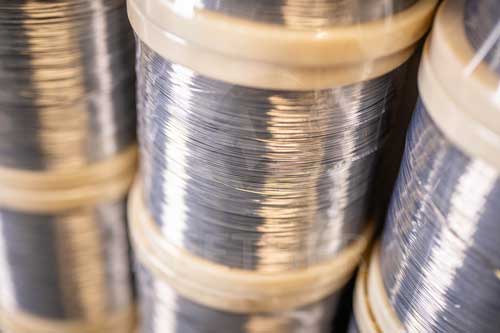
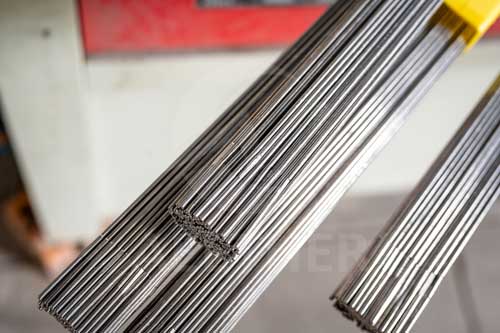
Try our Premium Products


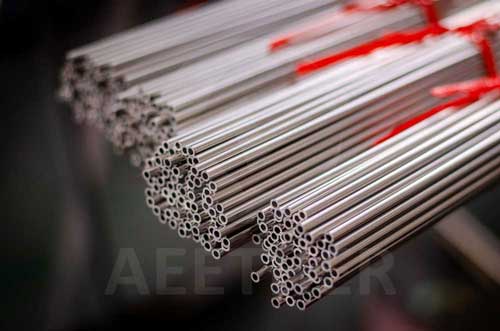


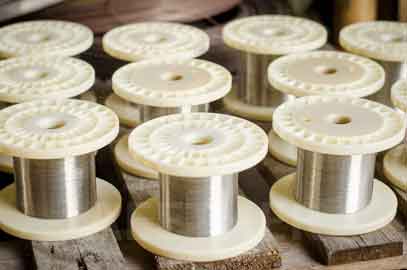


Get a Free Quote NOW
Inconel 718 Standards
Data Sheet
Physical Properties
| Density | g/cm3 | 8.19 | |
|---|---|---|---|
| lb/in.3 | 0.296 | ||
| Melting Range | °F | 2300 - 2437 | |
| °C | 1260 - 1336 | ||
| Specific Heat (21°C) | Btu/lb-°F | 0.104 | |
| J/kg-°C | 435 | ||
| Permeability at 200 oersted | 15.9 kA/m | 1.0006 | |
| Curie Temperature | Annealed Material | °F | < -320 |
| °C | -196 | ||
| Annealed and Aged Material | °F | -170 | |
| °C | -112 | ||
| Permeability at 200 oersted and 70°F | Annealed Material | 1.0013 | |
| Annealed and Aged Material | 1.0011 | ||
Mechanical Properties
| Condition | Diameter, in.(mm) |
Tensile Strength, ksi (Kg/cm2) min. |
Yield Strength (0.2% Offset), ksi (Kg/cm2) |
Elongation in 2 in. (50.8 mm) or 4D% minimum |
Reduction of Area, % minimum |
Impact Strength, ft•lb (Kg•m) min. aver. |
Hardness, Rockwell C | ||
|---|---|---|---|---|---|---|---|---|---|
| minimum | maximum | minimum | maximum | ||||||
| Cold worked, solution annealed & aged |
0.5 (12.7) to 3 (76.2), inclusive |
150 (10,545) | 120 (8436) | 140 (9842) | 20 | 25 | 40 (5.55) | 30 | 40 |
| Hot worked, solution annealed & aged |
0.5 (12.7) to 8 (203.2), inclusive |
150 (10,545) | 120 (8436) | 140 (9842) | 20 | 25 | 40 (5.55) | 30 | 40 |
| Hot worked, solution annealed & aged |
8 (203.2) to 10 (254), inclusive |
150 (10,545) | 120 (8436) | 140 (9842) | 20 | 25 | 40 (5.55) | 30 | 40 |
Inconel 718 Applications


FAQ
Why is Inconel 718 so commonly used?
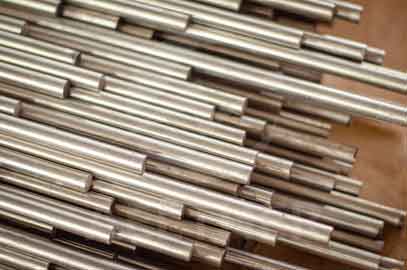
Because Inconel 718 boasts superior overall performance. Firstly, its chromium and molybdenum content ensures excellent corrosion resistance. Nickel allows Inconel 718 to operate at high temperatures. Simultaneously, precipitation strengthening gives the alloy very high strength. Therefore, Inconel 718 is ideal for use in extreme environments.
I'd like to know how to purchase your products?
You can tell us your needs via email at [email protected], or submit the form below the page. Our sales team will send you a detailed quotation. If you are satisfied with our quotation, please send us your PO file. We will provide you with a PI for payment arrangements. We will begin production after receiving the prepayment. We will notify you as soon as the materials are completed.
Why do different products have different mechanical properties?
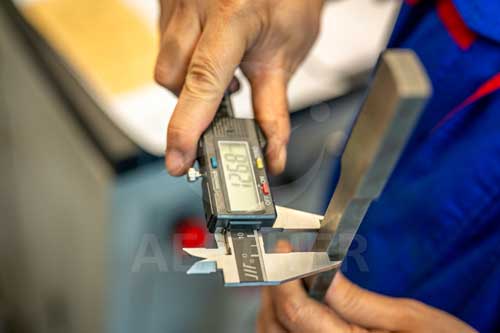
Differences in mechanical properties may be influenced by several factors:
1) Different manufacturing processes for various products;
2) Differences in cold working and heat treatment methods;
3) Differences in product dimensions and specifications.
What is precipitation strengthening?
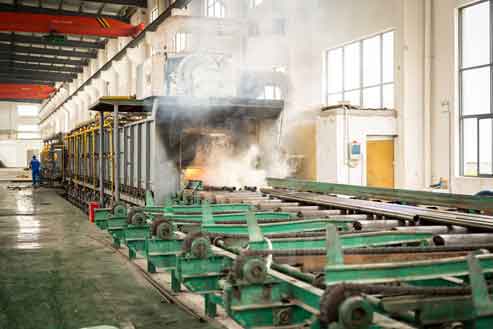
Precipitation strengthening is a unique strengthening mechanism found in certain alloys, and not all alloys possess this characteristic. These alloys can undergo aging treatment, a heat treatment process that induces the precipitation of fine strengthening phases, significantly improving their strength. Key elements determining whether an alloy exhibits precipitation strengthening properties include aluminum, titanium, niobium, and tantalum.
What do the UNS and W.Nr. designations mean?
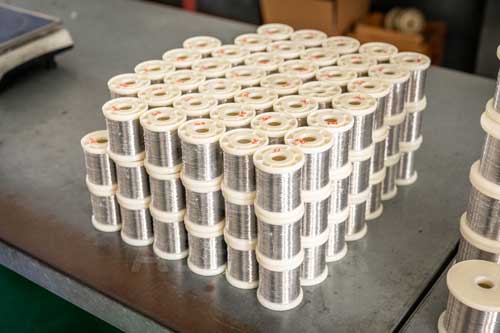
They are both numbering systems established to standardize material designation. The purpose of these systems is to ensure that each grade corresponds to a unique designation, thus eliminating ambiguity in terminology. In practical applications, the US standard system tends to use UNS designations, while the European standard system more often uses W.Nr. designations.
Is shipping handled by you or do we arrange it ourselves?
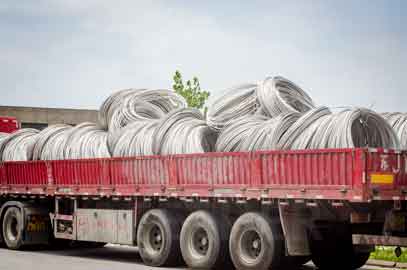
According to the default trade terms, we use FOB delivery. This means you can freely choose your freight forwarder to arrange transportation, and we will cooperate with your freight forwarder to complete all local export formalities. Of course, if you prefer us to handle the transportation, we can also arrange it for you and provide a corresponding shipping quote.
How do I understand the concept of tensile strength?
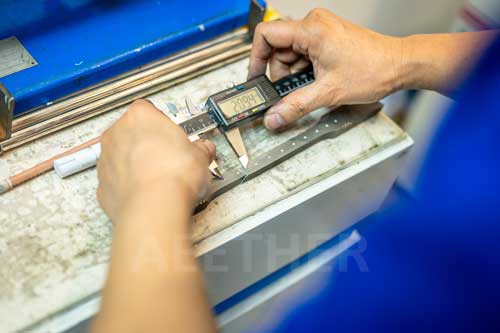
Tensile strength is a core indicator in the material strength evaluation system. It characterizes the ultimate stress a material can withstand from elastic deformation to final fracture under tension. If your application requires the material to be as resistant to breakage as possible, then tensile strength is a priority indicator when selecting materials. Furthermore, tensile strength can also indirectly reflect the overall strength characteristics of a material.
Related Article












More Inconel Grades +
600
S ≤ 0.015%
Si
Si ≤ 0.50%
C
C ≤ 0.15%
Mn
Mn ≤ 1.00%
Cu
Cu ≤ 0.50%
Fe
Fe: 6.0% ~ 10.0%
Cr
Cr: 14.0% ~ 17.0%
Ni
Ni ≥ 72.0%
601
S ≤ 0.015%
Si
Si ≤ 0.50%
C
C ≤ 0.10%
Mn
Mn ≤ 1.00%
Al
Al: 1.00% ~ 1.70%
Cu
Cu ≤ 1.00%
Fe
Fe: 7.7% ~ 17.4%
Cr
Cr: 21.0% ~ 25.0%
Ni
Ni: 58.0% ~ 63.0%
601GC
S ≤ 0.015%
Si
Si ≤ 1.00%
C: 0.03% ~ 0.08%
Mn
Mn ≤ 1.00%
N: 0.02% ~ 0.07%
Zr: 0.070% ~ 0.250%
Al
Al: 0.80% ~ 1.70%
Cu
Cu ≤ 1.00%
Fe
Fe: 6.9% ~ 15.1%
Cr
Cr: 23.0% ~ 25.0%
Ni
Ni: 58.0% ~ 63.0%
602CA
S ≤ 0.010%
Si
Si ≤ 0.50%
C
C: 0.15% ~ 0.25%
Mn ≤ 0.15%
P ≤ 0.020%
Zr: 0.01% ~ 0.10%
Y
Y: 0.05% ~ 0.12%
Al
Al: 1.8% ~ 2.4%
Ti: 0.1% ~ 0.2%
Cu ≤ 0.10%
Fe
Fe: 8.0% ~ 11.0%
Cr
Cr: 24.0% ~ 26.0%
Ni
Ni: 59.2% ~ 65.9%
603XL
Si
Si ≤ 2.00%
C
C ≤ 0.30%
Mn
Mn ≤ 0.30%
Rare Earth ≤ 0.10%
Al
Al ≤ 0.50%
Ti
Ti ≤ 0.50%
Mo
Mo ≤ 4.0%
Cr
Cr: 15.0% ~ 23.0%
Ni
Ni: 69.3% ~ 77.3%
617
S ≤ 0.015%
Si
Si ≤ 1.00%
C
C: 0.05% ~ 0.15%
Mn
Mn ≤ 1.00%
B ≤ 0.006%
Co
Co: 10.0% ~ 15.0%
Al
Al: 0.80% ~ 1.50%
Ti
Ti ≤ 0.60%
Cu
Cu ≤ 0.50%
Fe
Fe ≤ 3.0%
Mo
Mo: 8.0% ~ 10.0%
Cr
Cr: 20.0% ~ 24.0%
Ni
Ni ≥ 44.5%
625
S ≤ 0.015%
Si
Si ≤ 0.50%
C
C ≤ 0.10%
Mn
Mn ≤ 0.50%
P ≤ 0.015%
Co
Co ≤ 1.00%
Nb
Nb + Ta: 3.15% ~ 4.15%
Ta
Nb + Ta: 3.15% ~ 4.15%
Al
Al ≤ 0.40%
Ti
Ti ≤ 0.40%
Fe
Fe ≤ 5.0%
Mo
Mo: 8.0% ~ 10.0%
Cr
Cr: 20.0% ~ 23.0%
Ni
Ni ≥ 58.0%
625LCF
S ≤ 0.015%
Si ≤ 0.15%
C ≤ 0.03%
Mn
Mn ≤ 0.50%
P ≤ 0.015%
N ≤ 0.02%
Co
Co ≤ 1.00%
Nb
Nb + Ta: 3.15% ~ 4.15%
Ta
Nb + Ta: 3.15% ~ 4.15%
Al
Al ≤ 0.40%
Ti
Ti ≤ 0.40%
Fe
Fe ≤ 5.0%
Mo
Mo: 8.0% ~ 10.0%
Cr
Cr: 20.0% ~ 23.0%
Ni
Ni ≥ 58.0%
686
S ≤ 0.020%
Si ≤ 0.08%
C ≤ 0.01%
Mn
Mn ≤ 0.75%
P ≤ 0.040%
W
W: 3.0% ~ 4.4%
Ti: 0.02% ~ 0.25%
Fe
Fe ≤ 5.0%
Mo
Mo: 15.0% ~ 17.0%
Cr
Cr: 19.0% ~ 23.0%
Ni
Ni: 49.5% ~ 62.9%
690
S ≤ 0.015%
Si
Si ≤ 0.50%
C ≤ 0.05%
Mn
Mn ≤ 0.50%
Cu
Cu ≤ 0.50%
Fe
Fe: 7.0% ~ 11.0%
Cr
Cr: 27.0% ~ 31.0%
Ni
Ni ≥ 58.0%
693
S ≤ 0.010%
Si
Si ≤ 0.50%
C
C ≤ 0.15%
Mn
Mn ≤ 1.00%
Nb
Nb: 0.50% ~ 2.50%
Al
Al: 2.50% ~ 4.00%
Ti
Ti ≤ 1.00%
Cu
Cu ≤ 0.50%
Fe
Fe: 2.5% ~ 6.0%
Cr
Cr: 27.0% ~ 31.0%
Ni
Ni: 53.3% ~ 64.3%
706
S ≤ 0.015%
Si
Si ≤ 0.35%
C ≤ 0.06%
Mn
Mn ≤ 0.35%
P ≤ 0.020%
B ≤ 0.006%
Co
Co ≤ 1.00%
Nb
Nb: 2.5% ~ 3.3%
Ta ≤ 0.05%
Al
Al ≤ 0.40%
Ti
Ti: 1.50% ~ 2.00%
Cu
Cu ≤ 0.30%
Fe
Fe ≥ 32.5%
Cr
Cr: 14.5% ~ 17.5%
Ni
Ni: 39.0% ~ 44.0%
718
S ≤ 0.015%
Si
Si ≤ 0.35%
C
C ≤ 0.08%
Mn
Mn ≤ 0.35%
P ≤ 0.015%
B ≤ 0.006%
Co
Co ≤ 1.00%
Nb
Nb + Ta: 4.75% ~ 5.50%
Ta
Nb + Ta: 4.75% ~ 5.50%
Al
Al: 0.20% ~ 0.80%
Ti
Ti: 0.65% ~ 1.15%
Cu
Cu ≤ 0.30%
Fe
Fe: 11.1% ~ 22.5%
Mo
Mo: 2.80% ~ 3.30%
Cr
Cr: 17.0% ~ 21.0%
Ni
Ni: 50.0% ~ 55.0%
718SPF
S ≤ 0.002%
Si
Si ≤ 0.35%
C ≤ 0.05%
Mn
Mn ≤ 0.35%
P ≤ 0.015%
B ≤ 0.006%
N ≤ 0.01%
Co
Co ≤ 1.00%
Nb
Nb: 4.75% ~ 5.25%
Ta ≤ 0.05%
Al
Al: 0.20% ~ 0.80%
Ti
Ti: 0.65% ~ 1.15%
Cu
Cu ≤ 0.30%
Fe
Fe ≥ 11.4%
Mo
Mo: 2.80% ~ 3.30%
Cr
Cr: 17.0% ~ 21.0%
Ni
Ni: 50.0% ~ 55.0%
725
S ≤ 0.010%
Si
Si ≤ 0.20%
C ≤ 0.03%
Mn
Mn ≤ 0.35%
P ≤ 0.015%
Nb
Nb: 2.75% ~ 4.00%
Al
Al ≤ 0.35%
Ti
Ti: 1.00% ~ 1.70%
Fe
Fe: 2.3% ~ 14.3%
Mo
Mo: 7.0% ~ 9.5%
Cr
Cr: 19.0% ~ 22.5%
Ni
Ni: 55.0% ~ 59.0%
740H
S ≤ 0.030%
Si
Si ≤ 1.00%
C: 0.005% ~ 0.080%
Mn
Mn ≤ 1.00%
P ≤ 0.030%
B: 0.0006% ~ 0.0060%
Co
Co: 15.0% ~ 22.0%
Nb
Nb + Ta: 0.50% ~ 2.50%
Ta
Nb + Ta: 0.50% ~ 2.50%
Al
Al: 0.20% ~ 2.00%
Ti
Ti: 0.50% ~ 2.50%
Cu
Cu ≤ 0.50%
Fe
Fe ≤ 3.00%
Mo
Mo ≤ 2.0%
Cr
Cr: 23.5% ~ 25.5%
Ni
Ni ≥ 37.9%
X-750
S ≤ 0.010%
Si
Si ≤ 0.50%
C
C ≤ 0.08%
Mn
Mn ≤ 1.00%
Co
Co ≤ 1.00%
Nb + Ta: 0.70% ~ 1.20%
Nb + Ta: 0.70% ~ 1.20%
Al
Al: 0.40% ~ 1.00%
Ti
Ti: 2.25% ~ 2.75%
Cu
Cu ≤ 0.50%
Fe
Fe: 5.0% ~ 9.0%
Cr
Cr: 14.0% ~ 17.0%
Ni
Ni ≥ 70.0%
751
S ≤ 0.010%
Si
Si ≤ 0.50%
C
C ≤ 0.10%
Mn
Mn ≤ 1.00%
Co
Ni + Co ≥ 70.0%
Nb + Ta: 0.70% ~ 1.20%
Nb + Ta: 0.70% ~ 1.20%
Al
Al: 0.90% ~ 1.50%
Ti
Ti: 2.00% ~ 2.60%
Cu
Cu ≤ 0.50%
Fe
Fe: 5.0% ~ 9.0%
Cr
Cr: 14.0% ~ 17.0%
Ni
Ni + Co ≥ 70.0%
MA754
C ≤ 0.05%
Y2O3
Y2O3 ≈ 0.60%
Al
Al ≤ 0.30%
Ti
Ti ≤ 0.50%
Fe
Fe ≤ 1.0%
Cr
Cr ≈ 20.0%
Ni
Ni ≈ 78.0%
MA758
C ≤ 0.05%
Y2O3
Y2O3 ≈ 0.60%
Al
Al ≤ 0.30%
Ti
Ti ≤ 0.50%
Fe
Fe ≤ 1.0%
Cr
Cr ≈ 30.0%
Ni
Ni ≈ 67.6%
783
S ≤ 0.005%
Si
Si ≤ 0.50%
C ≤ 0.03%
Mn
Mn ≤ 0.50%
P ≤ 0.015%
B: 0.003% ~ 0.012%
Co
Co ≥ 28.0%
Nb
Nb: 2.50% ~ 3.50%
Ta ≤ 0.05%
Al
Al: 5.00% ~ 6.00%
Ti
Ti ≤ 0.40%
Cu
Cu ≤ 0.50%
Fe
Fe: 24.0% ~ 27.0%
Cr
Cr: 2.5% ~ 3.5%
Ni
Ni: 26.0% ~ 30.0%