
Inconel Alloy
601

Get a Free Quote NOW
Send Inquiry and Get Our Latest Full Set Data Sheet
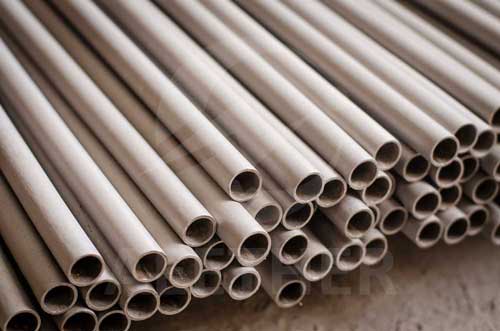
Inconel 601
Pipes
Contact Now


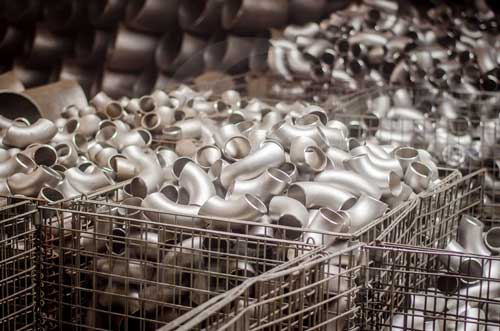


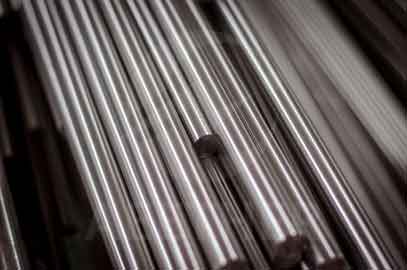


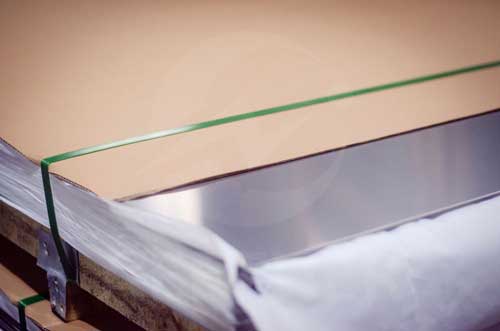


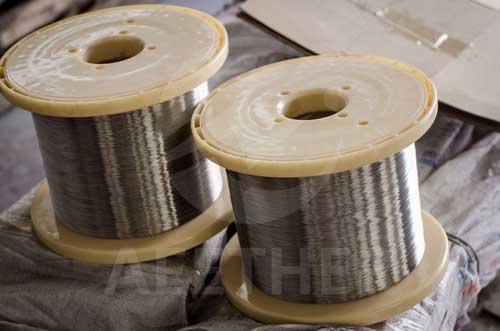


Inconel 601 Introduction

Solid Solution
Strengthened Alloy
Resistance
Behavior
High Temperature Characteristics
Strength &
Stability
Oxidation
Resistance
Carburization
Resistance
Sulfidation
Resistance
Nitriding
Resistance
Carbonitriding
Resistance
Resistance to
Molten Salts
Overview
As a leading supplier & manufacturer in China, AEETHER supply cost-effective Inconel 601 Products.
INCONEL® nickel-chromium-iron alloy 601 (UNS N06601 / W.Nr. 2.4851) is a general-purpose engineering material for applications that require resistance to heat and corrosion. An outstanding characteristic of INCONEL alloy 601 is its resistance to hightemperature oxidation. The alloy also has good resistance to aqueous corrosion, has high mechanical strength, and is readily formed, machined and welded. The composition is a facecentered- cubic solid solution with a high degree of metallurgical stability. The alloy's nickel base, in conjunction with substantial chromium content, provides resistance to many corrosive media and hightemperature environments. Oxidation resistance is further enhanced by the aluminum content.
The properties of INCONEL alloy 601 make it a material of broad utility in such fields as thermal processing, chemical processing, pollution control, aerospace, and power generation.
Alloy 601 is a standard material of construction for various types of thermal-processing equipment. Industrial-heating applications include baskets, trays, and fixtures for annealing, carburizing, carbonitriding, nitriding and other heat-treating operations. In industrial furnaces, the alloy is used for radiant tubes, muffles, retorts, flame shields, strand-annealing tubes, woven-wire conveyor belts, chain curtains, burner nozzles, and electrical resistance heating elements. Other thermal-processing applications are thermocouple protection tubes, furnace-atmosphere generators, and infrared radiant screens.
Chemical-processing applications for alloy 601 include process heaters, condenser tubes in sour-water strippers, and insulating cans in ammonia reformers. The alloy is also used for combustor components and catalyst grid supports in equipment for nitric acid production.
In petrochemical processing, the alloy is used for catalyst regenerators and air preheaters in the manufacture of high-density polyethylene. In pollution-control applications, INCONEL alloy 601 is used for thermal reactors in exhaust systems of gasoline engines and for combustion chambers in solidwaste incinerators. In the power-generation field, alloy 601 is used for superheater tube supports, grid barriers, and ashhandling systems.
The alloy is also used for jet-engine igniters and for combustion-can liners, diffuser assembles, and containment rings in gas turbines for aircraft, industrial, and vehicular applications.
Mechanical Properties
INCONEL alloy 601 has good mechanical strength. As indicated by those values, the strength level exhibited by the alloy varies with the form and condition of the material.
The optimum condition for alloy 601 depends on the type of application and the service temperature involved. In general, the solution-treated condition is used for rupture-limited applications (temperatures of about 1000°F (540°C) and higher). The annealed condition is normally used for tensile-limited applications (temperatures below about 1000°F (540°C)).
Corrosion Resistance
The substantial nickel and chromium contents of INCONEL alloy 601 in conjunction with its content of aluminum give the alloy superior resistance to high temperature corrosion mechanisms. Of particular significance is its resistance to oxidation at temperatures up to 2200°F (1200°C). By virtue of its contents of chromium and aluminum, alloy 601 offers unique resistance to oxide spalling under cyclic thermal conditions.
Inconel 601 Chemical Composition
S ≤ 0.015%
Si ≤ 0.50%
C ≤ 0.10%
Mn ≤ 1.00%
Al: 1.00% ~ 1.70%
Cu ≤ 1.00%
Fe: 7.7% ~ 17.4%
Cr: 21.0% ~ 25.0%
Ni: 58.0% ~ 63.0%
Try our Premium Products


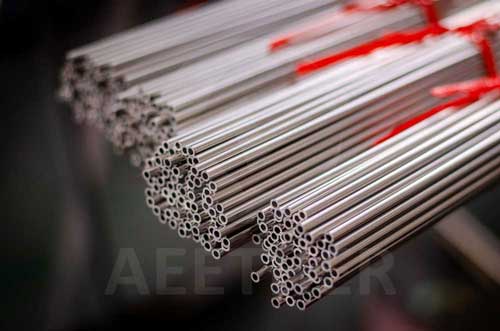


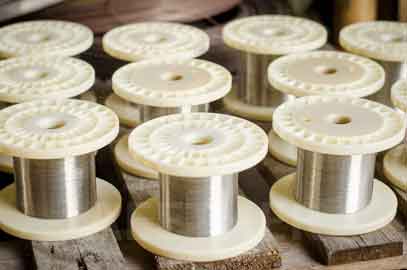


Get a Free Quote NOW
Inconel 601 Standards
Data Sheet
Physical Properties
| Density | g/cm3 | 8.11 | |
|---|---|---|---|
| lb/in.3 | 0.293 | ||
| Melting Range | °F | 2480 - 2571 | |
| °C | 1360 - 1411 | ||
| Specific Heat | Btu/lb-°F | 0.107 | |
| J/kg-°C | 448 | ||
| Permeability at 200 oersted | 76°F (24°C) | 15.9 kA/m | 1.003 |
| -109°F (-78°C) | 15.9 kA/m | 1.004 | |
| -320°F (-196°C) | 15.9 kA/m | 1.016 | |
| Curie Temperature | °F | -320 | |
| °C | -196 | ||
Mechanical Properties
| Form and Condition | Tensile Strength | Yield Strength (0.2% Offset) |
Elongation, % |
Hardness, Rb |
||
|---|---|---|---|---|---|---|
| ksi | MPa | ksi | MPa | |||
| ROD and BAR | ||||||
| Hot-Finished | 85-120 | 585-825 | 35-100 | 240-690 | 60-15 | 65-95 |
| Annealed | 80-115 | 550-790 | 30-60 | 205-415 | 70-40 | 60-80 |
| PLATE | ||||||
| Annealed | 80-100 | 550-690 | 30-45 | 205-310 | 65-45 | 60-75 |
| SHEET | ||||||
| Cold-Rolled | 115-190 | 790-1310 | 100-175 | 690-1205 | 20-2 | - |
| Annealed | 85-100 | 585-690 | 30-50 | 205-345 | 55-35 | 65-80 |
| STRIP | ||||||
| Cold-Rolled | 115-190 | 790-1310 | 100-175 | 690-1205 | 20-2 | - |
| Annealed | 85-100 | 585-690 | 30-50 | 205-345 | 55-35 | 65-80 |
| TUBE and PIPE | ||||||
| Cold-Drawn & Annealed | 80-110 | 550-760 | 30-60 | 205-415 | 65-35 | 70-95 |
| WIRE | ||||||
| Cold-Drawn | 120-205 | 825-1415 | 100-195 | 690-1345 | 20-3 | - |
| Annealed | 90-115 | 620-790 | 35-70 | 240-480 | 45-35 | - |
| ALL FORMS | ||||||
| Solution-Treated | 75-110 | 515-760 | 25-55 | 160-380 | 75-40 | 55-95 |
Inconel 601 Applications


FAQ
What is the difference between Inconel 601 and Inconel 600?
Inconel 601 has higher aluminum and chromium content and lower nickel content compared to Inconel 600. This change gives Inconel 601 better corrosion resistance than Inconel 600, but its high-temperature performance is somewhat reduced.
What is your smelting process?
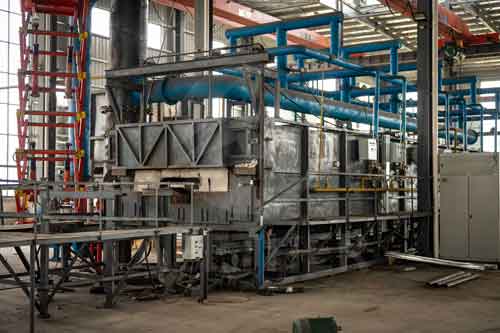
We use a combined process of vacuum induction melting (VIM) and electroslag remelting (ESR). In fact, for superalloys, this smelting method is the industry standard, effectively ensuring the purity of the alloy. If other smelting methods are used, the alloy is likely to develop performance issues during production, such as compositional segregation or excessive inclusions.
Can you provide material test reports?
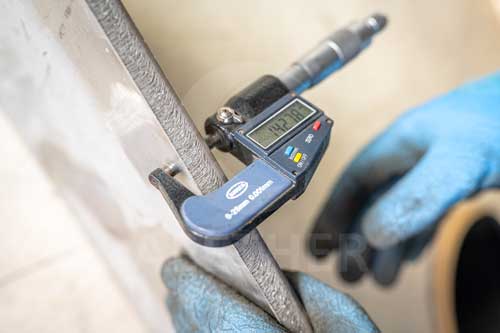
Certainly. We provide material test reports in accordance with industry standards prior to shipment. The report details key information such as the material standard, chemical composition, mechanical properties, dimensions, and heat number. It serves as proof of our product’s compliance.
How long will it take to receive a quote after sending an inquiry?
We have a professional sales team. Generally, we guarantee to send you a corresponding quote within 24 hours. If your inquiry is missing information or we are unable to provide a quote, we will promptly notify you.
What methods do you use to determine if the composition meets specifications?
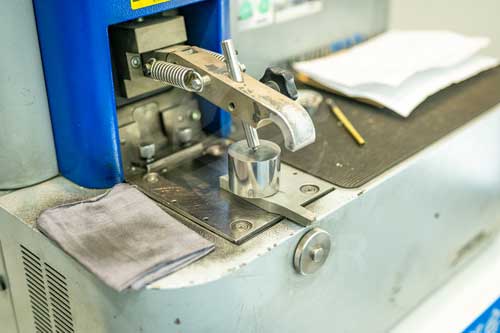
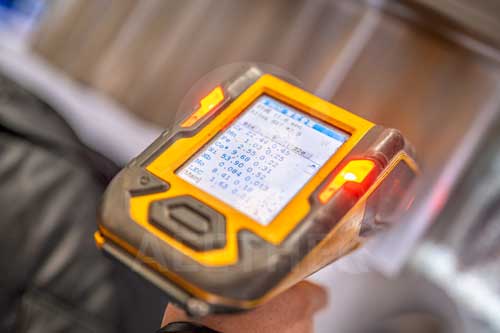
During the smelting process, we strictly control the material ratios and conduct chemical analysis to monitor changes in composition. Once the finished product is complete, we test the material using PMI testing. If you require additional assurance, we can send the materials to a third-party laboratory for final chemical analysis and to provide test results.
Can you customize other product forms?
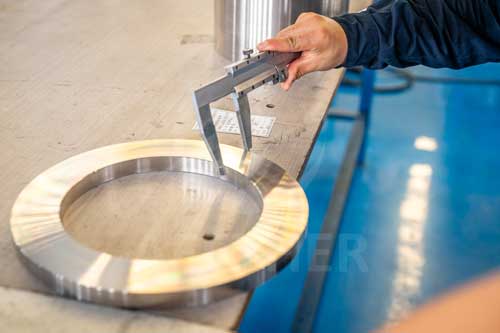
Yes, in addition to the products listed on the page, we can also customize other products derived from these. For example, seamless tubes can be made into U-shaped tubes, and round bars or plates can be cut into discs. We can also customize products such as rings and blocks.
What does yield strength mean?
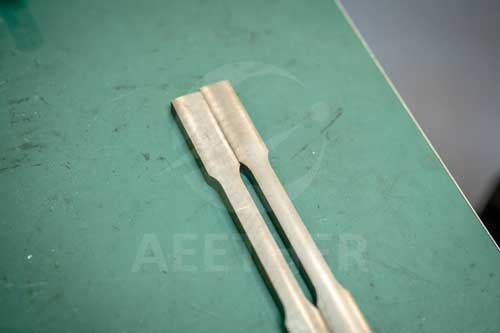
Yield strength refers to the amount of tensile force a material can withstand without undergoing plastic deformation. Like tensile strength, it reflects the material’s strength, but it is a key indicator for ensuring the material does not deform. Since materials deform before breaking when stretched, the yield strength of a given material is generally lower than its tensile strength.
Related Article



More Inconel Grades +
600
S ≤ 0.015%
Si
Si ≤ 0.50%
C
C ≤ 0.15%
Mn
Mn ≤ 1.00%
Cu
Cu ≤ 0.50%
Fe
Fe: 6.0% ~ 10.0%
Cr
Cr: 14.0% ~ 17.0%
Ni
Ni ≥ 72.0%
601
S ≤ 0.015%
Si
Si ≤ 0.50%
C
C ≤ 0.10%
Mn
Mn ≤ 1.00%
Al
Al: 1.00% ~ 1.70%
Cu
Cu ≤ 1.00%
Fe
Fe: 7.7% ~ 17.4%
Cr
Cr: 21.0% ~ 25.0%
Ni
Ni: 58.0% ~ 63.0%
601GC
S ≤ 0.015%
Si
Si ≤ 1.00%
C: 0.03% ~ 0.08%
Mn
Mn ≤ 1.00%
N: 0.02% ~ 0.07%
Zr: 0.070% ~ 0.250%
Al
Al: 0.80% ~ 1.70%
Cu
Cu ≤ 1.00%
Fe
Fe: 6.9% ~ 15.1%
Cr
Cr: 23.0% ~ 25.0%
Ni
Ni: 58.0% ~ 63.0%
602CA
S ≤ 0.010%
Si
Si ≤ 0.50%
C
C: 0.15% ~ 0.25%
Mn ≤ 0.15%
P ≤ 0.020%
Zr: 0.01% ~ 0.10%
Y
Y: 0.05% ~ 0.12%
Al
Al: 1.8% ~ 2.4%
Ti: 0.1% ~ 0.2%
Cu ≤ 0.10%
Fe
Fe: 8.0% ~ 11.0%
Cr
Cr: 24.0% ~ 26.0%
Ni
Ni: 59.2% ~ 65.9%
603XL
Si
Si ≤ 2.00%
C
C ≤ 0.30%
Mn
Mn ≤ 0.30%
Rare Earth ≤ 0.10%
Al
Al ≤ 0.50%
Ti
Ti ≤ 0.50%
Mo
Mo ≤ 4.0%
Cr
Cr: 15.0% ~ 23.0%
Ni
Ni: 69.3% ~ 77.3%
617
S ≤ 0.015%
Si
Si ≤ 1.00%
C
C: 0.05% ~ 0.15%
Mn
Mn ≤ 1.00%
B ≤ 0.006%
Co
Co: 10.0% ~ 15.0%
Al
Al: 0.80% ~ 1.50%
Ti
Ti ≤ 0.60%
Cu
Cu ≤ 0.50%
Fe
Fe ≤ 3.0%
Mo
Mo: 8.0% ~ 10.0%
Cr
Cr: 20.0% ~ 24.0%
Ni
Ni ≥ 44.5%
625
S ≤ 0.015%
Si
Si ≤ 0.50%
C
C ≤ 0.10%
Mn
Mn ≤ 0.50%
P ≤ 0.015%
Co
Co ≤ 1.00%
Nb
Nb + Ta: 3.15% ~ 4.15%
Ta
Nb + Ta: 3.15% ~ 4.15%
Al
Al ≤ 0.40%
Ti
Ti ≤ 0.40%
Fe
Fe ≤ 5.0%
Mo
Mo: 8.0% ~ 10.0%
Cr
Cr: 20.0% ~ 23.0%
Ni
Ni ≥ 58.0%
625LCF
S ≤ 0.015%
Si ≤ 0.15%
C ≤ 0.03%
Mn
Mn ≤ 0.50%
P ≤ 0.015%
N ≤ 0.02%
Co
Co ≤ 1.00%
Nb
Nb + Ta: 3.15% ~ 4.15%
Ta
Nb + Ta: 3.15% ~ 4.15%
Al
Al ≤ 0.40%
Ti
Ti ≤ 0.40%
Fe
Fe ≤ 5.0%
Mo
Mo: 8.0% ~ 10.0%
Cr
Cr: 20.0% ~ 23.0%
Ni
Ni ≥ 58.0%
686
S ≤ 0.020%
Si ≤ 0.08%
C ≤ 0.01%
Mn
Mn ≤ 0.75%
P ≤ 0.040%
W
W: 3.0% ~ 4.4%
Ti: 0.02% ~ 0.25%
Fe
Fe ≤ 5.0%
Mo
Mo: 15.0% ~ 17.0%
Cr
Cr: 19.0% ~ 23.0%
Ni
Ni: 49.5% ~ 62.9%
690
S ≤ 0.015%
Si
Si ≤ 0.50%
C ≤ 0.05%
Mn
Mn ≤ 0.50%
Cu
Cu ≤ 0.50%
Fe
Fe: 7.0% ~ 11.0%
Cr
Cr: 27.0% ~ 31.0%
Ni
Ni ≥ 58.0%
693
S ≤ 0.010%
Si
Si ≤ 0.50%
C
C ≤ 0.15%
Mn
Mn ≤ 1.00%
Nb
Nb: 0.50% ~ 2.50%
Al
Al: 2.50% ~ 4.00%
Ti
Ti ≤ 1.00%
Cu
Cu ≤ 0.50%
Fe
Fe: 2.5% ~ 6.0%
Cr
Cr: 27.0% ~ 31.0%
Ni
Ni: 53.3% ~ 64.3%
706
S ≤ 0.015%
Si
Si ≤ 0.35%
C ≤ 0.06%
Mn
Mn ≤ 0.35%
P ≤ 0.020%
B ≤ 0.006%
Co
Co ≤ 1.00%
Nb
Nb: 2.5% ~ 3.3%
Ta ≤ 0.05%
Al
Al ≤ 0.40%
Ti
Ti: 1.50% ~ 2.00%
Cu
Cu ≤ 0.30%
Fe
Fe ≥ 32.5%
Cr
Cr: 14.5% ~ 17.5%
Ni
Ni: 39.0% ~ 44.0%
718
S ≤ 0.015%
Si
Si ≤ 0.35%
C
C ≤ 0.08%
Mn
Mn ≤ 0.35%
P ≤ 0.015%
B ≤ 0.006%
Co
Co ≤ 1.00%
Nb
Nb + Ta: 4.75% ~ 5.50%
Ta
Nb + Ta: 4.75% ~ 5.50%
Al
Al: 0.20% ~ 0.80%
Ti
Ti: 0.65% ~ 1.15%
Cu
Cu ≤ 0.30%
Fe
Fe: 11.1% ~ 22.5%
Mo
Mo: 2.80% ~ 3.30%
Cr
Cr: 17.0% ~ 21.0%
Ni
Ni: 50.0% ~ 55.0%
718SPF
S ≤ 0.002%
Si
Si ≤ 0.35%
C ≤ 0.05%
Mn
Mn ≤ 0.35%
P ≤ 0.015%
B ≤ 0.006%
N ≤ 0.01%
Co
Co ≤ 1.00%
Nb
Nb: 4.75% ~ 5.25%
Ta ≤ 0.05%
Al
Al: 0.20% ~ 0.80%
Ti
Ti: 0.65% ~ 1.15%
Cu
Cu ≤ 0.30%
Fe
Fe ≥ 11.4%
Mo
Mo: 2.80% ~ 3.30%
Cr
Cr: 17.0% ~ 21.0%
Ni
Ni: 50.0% ~ 55.0%
725
S ≤ 0.010%
Si
Si ≤ 0.20%
C ≤ 0.03%
Mn
Mn ≤ 0.35%
P ≤ 0.015%
Nb
Nb: 2.75% ~ 4.00%
Al
Al ≤ 0.35%
Ti
Ti: 1.00% ~ 1.70%
Fe
Fe: 2.3% ~ 14.3%
Mo
Mo: 7.0% ~ 9.5%
Cr
Cr: 19.0% ~ 22.5%
Ni
Ni: 55.0% ~ 59.0%
740H
S ≤ 0.030%
Si
Si ≤ 1.00%
C: 0.005% ~ 0.080%
Mn
Mn ≤ 1.00%
P ≤ 0.030%
B: 0.0006% ~ 0.0060%
Co
Co: 15.0% ~ 22.0%
Nb
Nb + Ta: 0.50% ~ 2.50%
Ta
Nb + Ta: 0.50% ~ 2.50%
Al
Al: 0.20% ~ 2.00%
Ti
Ti: 0.50% ~ 2.50%
Cu
Cu ≤ 0.50%
Fe
Fe ≤ 3.00%
Mo
Mo ≤ 2.0%
Cr
Cr: 23.5% ~ 25.5%
Ni
Ni ≥ 37.9%
X-750
S ≤ 0.010%
Si
Si ≤ 0.50%
C
C ≤ 0.08%
Mn
Mn ≤ 1.00%
Co
Co ≤ 1.00%
Nb + Ta: 0.70% ~ 1.20%
Nb + Ta: 0.70% ~ 1.20%
Al
Al: 0.40% ~ 1.00%
Ti
Ti: 2.25% ~ 2.75%
Cu
Cu ≤ 0.50%
Fe
Fe: 5.0% ~ 9.0%
Cr
Cr: 14.0% ~ 17.0%
Ni
Ni ≥ 70.0%
751
S ≤ 0.010%
Si
Si ≤ 0.50%
C
C ≤ 0.10%
Mn
Mn ≤ 1.00%
Co
Ni + Co ≥ 70.0%
Nb + Ta: 0.70% ~ 1.20%
Nb + Ta: 0.70% ~ 1.20%
Al
Al: 0.90% ~ 1.50%
Ti
Ti: 2.00% ~ 2.60%
Cu
Cu ≤ 0.50%
Fe
Fe: 5.0% ~ 9.0%
Cr
Cr: 14.0% ~ 17.0%
Ni
Ni + Co ≥ 70.0%
MA754
C ≤ 0.05%
Y2O3
Y2O3 ≈ 0.60%
Al
Al ≤ 0.30%
Ti
Ti ≤ 0.50%
Fe
Fe ≤ 1.0%
Cr
Cr ≈ 20.0%
Ni
Ni ≈ 78.0%
MA758
C ≤ 0.05%
Y2O3
Y2O3 ≈ 0.60%
Al
Al ≤ 0.30%
Ti
Ti ≤ 0.50%
Fe
Fe ≤ 1.0%
Cr
Cr ≈ 30.0%
Ni
Ni ≈ 67.6%
783
S ≤ 0.005%
Si
Si ≤ 0.50%
C ≤ 0.03%
Mn
Mn ≤ 0.50%
P ≤ 0.015%
B: 0.003% ~ 0.012%
Co
Co ≥ 28.0%
Nb
Nb: 2.50% ~ 3.50%
Ta ≤ 0.05%
Al
Al: 5.00% ~ 6.00%
Ti
Ti ≤ 0.40%
Cu
Cu ≤ 0.50%
Fe
Fe: 24.0% ~ 27.0%
Cr
Cr: 2.5% ~ 3.5%
Ni
Ni: 26.0% ~ 30.0%