
Incoloy Alloy
800HT

Get a Free Quote NOW
Send Inquiry and Get Our Latest Full Set Data Sheet
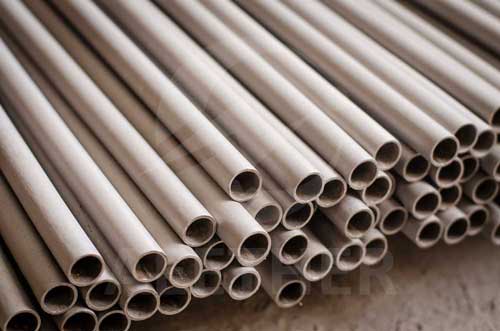
Incoloy 800HT
Pipes
Contact Now


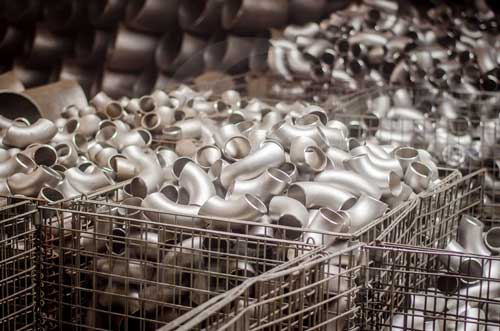


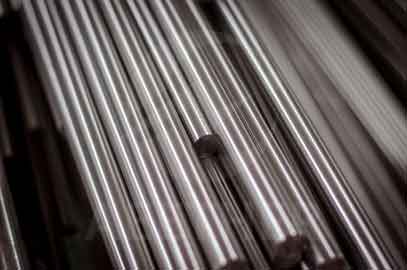


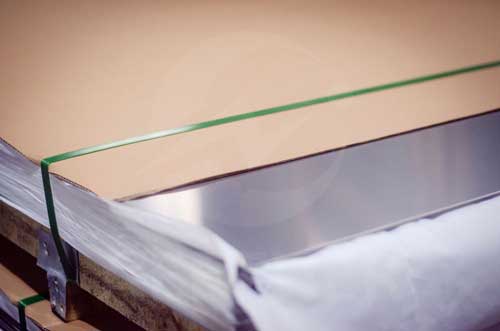


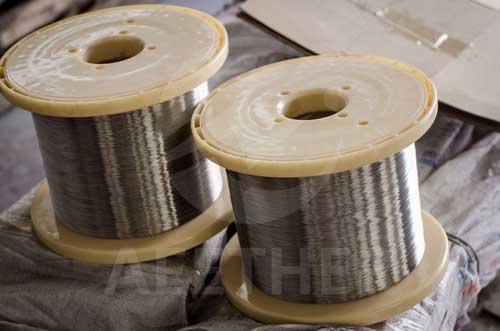


Incoloy 800HT Introduction

Solid Solution
Strengthened Alloy
Resistance
Behavior
High Temperature Characteristics
Strength &
Stability
Oxidation
Resistance
Carburization
Resistance
Sulfidation
Resistance
Nitriding
Resistance
Carbonitriding
Resistance
Resistance to
Molten Salts
Corrosion Resistance
Sulfuric
Acid
Hydrochloric
Acid
Hydrofluoric
Acid
Phosphoric
Acid
Nitric
Acid
Organic
Acids
Alkalies
and Salts
Seawater
Overview
As a leading supplier & manufacturer in China, AEETHER supply cost-effective Incoloy 800HT Products.
Several other alloy manufacturers entered the alloy 800H (UNS N08810) market and additional creep and rupture data became available. The Metals Property Council for ASME gathered this data and made a new analysis using parametric procedures, involving 87 heats and 1,052 data points. The additional data, from other manufacturers, included results with considerably lower strength, and the new analysis, which reflected the results of all the available data, resulted in a recommendation that the design stresses be revised. These revised values were lower for temperatures of 1100 through 1500°F (593-816°C), and about the same for 1600 and 1650°F (871 and 899°C).
Special Metals knew the importance of maintaining the aluminum and titanium contents in the upper portion of the specified material range. This resulted in higher creep and stress rupture properties than competitive alloy 800H. Therefore, to maintain higher allowable design stresses, the company introduced a variation of INCOLOY alloy 800H which is called INCOLOY alloy 800HT (UNS N08811). INCOLOY alloy 800HT has a restricted chemistry, within the limits of alloy 800H, and requires a heat treatment of 2100°F (1149°C) minimum. The carbon is 0.06 to 0.10% (alloy 800H is 0.05 to 0.10%), the Al + Ti is 0.85 to 1.20% (alloy 800H is 0.30 to 1.20% Al + Ti).
Mechanical Properties
The major differences between alloys 800, 800H and 800HT are mechanical properties. The differences stem from the restricted compositions of alloys 800H and 800HT and the high-temperature anneals used for these alloys. In general, alloy 800 has higher mechanical properties at room temperature and during short-time exposure to elevated temperatures, whereas alloys 800H and 800HT have superior creep and rupture strength during extended hightemperature exposure.
Corrosion Resistance
Alloys 800, 800H and 800HT have the same nickel, chromium, and iron contents and generally display similar corrosion resistance. Since alloys 800H and 800HT are used for their high-temperature strength, corrosive environments to which these alloys are exposed normally involve hightemperature reactions such as oxidation and carburization.
Incoloy 800HT Chemical Composition
S ≤ 0.015%
Si ≤ 1.00%
C: 0.06% ~ 0.10%
Mn ≤ 1.50%
Al + Ti: 0.85% ~ 1.20%
Al + Ti: 0.85% ~ 1.20%
Cu ≤ 0.75%
Fe ≥ 39.5%
Cr: 19.0% ~ 23.0%
Ni: 30.0% ~ 35.0%
Try our Premium Products


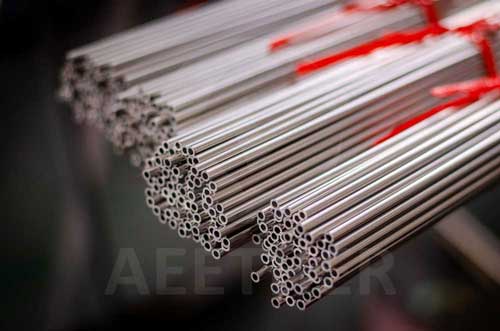


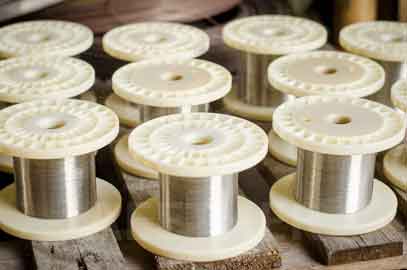


Get a Free Quote NOW
Incoloy 800HT Standards
Data Sheet
Physical Properties
| Density | g/cm3 | 7.94 | |
|---|---|---|---|
| lb/in.3 | 0.287 | ||
| Melting Range | °F | 2475 - 2525 | |
| °C | 1357 - 1385 | ||
| Specific Heat | 32-212°F | Btu/lb•°F | 0.11 |
| 0-100°C | J/kg•°C | 460 | |
| Permeability at 70°F (21°C) and 200 oersted (15.9 kA/m) | Annealed | 1.014 | |
| Hot-Rolled | 1.009 | ||
| Curie Temperature | °F | -175 | |
| °C | -115 | ||
Mechanical Properties
| Temperature | Hardness BHN |
Tensile Strength | Yield Strength (0.2% Offset) |
|||
|---|---|---|---|---|---|---|
| °F | °C | ksi | MPa | ksi | MPa | |
| 80 | 27 | 126 | 77.8 | 536 | 21.7 | 150 |
| 800 | 425 | – | 67.5 | 465 | 18.8 | 130 |
| 1000 | 540 | 90 | 62.7 | 432 | 13.0 | 90 |
| 1200 | 650 | 84 | 54.8 | 378 | 13.5 | 93 |
| 1300 | 705 | 82 | 47.7 | 329 | 15.8 | 109 |
| 1400 | 760 | 74 | 34.2 | 236 | 13.1 | 90 |
Incoloy 800HT Applications


FAQ
What is the difference between Incoloy 800HT and Incoloy 800H?
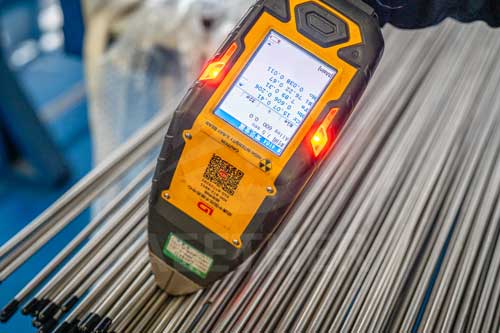
If Incoloy 800H is considered an upgraded version of Incoloy 800, then Incoloy 800HT is a further upgrade of Incoloy 800H. It further restricts the carbon content compared to the latter and imposes additional limits on aluminum and titanium. Therefore, Incoloy 800HT offers the best performance among the three. However, it is also the most expensive.
What information is included in a material test report?
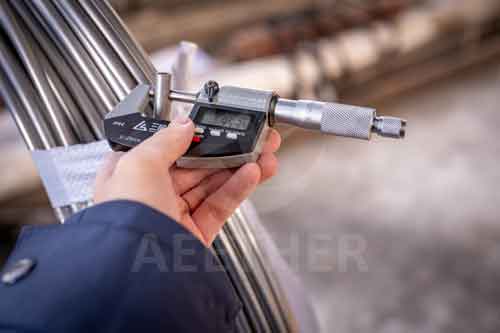
This report is a mandatory document we provide prior to shipment. It details the applicable standards, chemical composition, mechanical properties, dimensional data, and heat number. The purpose of this report is to serve as official documentation certifying that our products meet the required specifications.
How should the concepts of UNS and W.Nr. be understood?
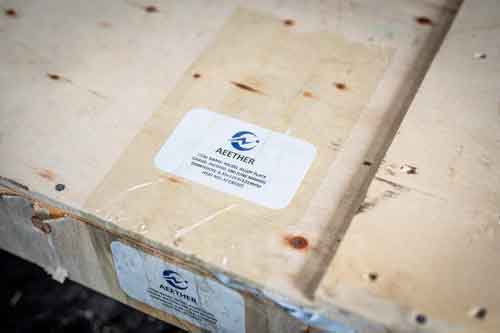
UNS and W.Nr. are both unified numbering systems for material grades. Their purpose is to assign a unique identifier to each material grade, thereby preventing misunderstandings caused by differing nomenclature across regions or standards. Generally, UNS numbers are used when adhering to American standards, while W.Nr. numbers are used when adhering to European standards.
How does solution strengthening achieve its strengthening effect?
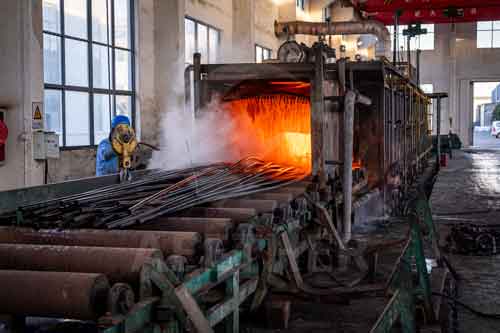
The principle involves the matrix elements in the alloy dissolving other elements to form a solid solution, a process that enhances the alloy’s strength. Common matrix elements include nickel, cobalt, and iron, while common solute elements include chromium, molybdenum, tungsten, and niobium. It is precisely because of the strengthening effect resulting from this dissolution that we refer to it as solution strengthening.
Will rising raw material prices affect your product prices?
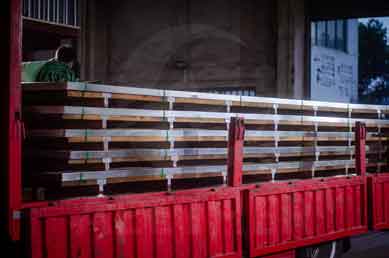
Yes, they will. This is especially true for key metals in superalloys, such as nickel, molybdenum, and cobalt, as fluctuations in their prices directly impact alloy costs. Therefore, it is normal for alloy prices to fluctuate with raw material prices.
Why is it important to consider both yield strength and tensile strength when selecting materials?
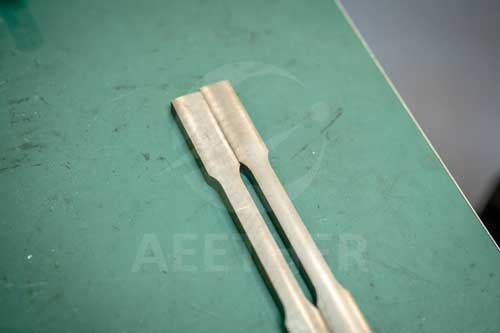
Because yield strength determines the tensile force at which a material begins to deform, while tensile strength determines the tensile force at which the material ultimately breaks. Yield strength is precisely such an indicator: it reflects a material’s ability to resist plastic deformation, ensuring the material retains its shape during use. Since the tensile process always involves deformation before fracture, the yield strength of a given material is generally lower than its tensile strength.
How should we understand the concept of physical properties?

It refers to the inherent physical attributes of a material that do not depend on external processing or treatment. Unlike mechanical properties, physical properties do not change with variations in processing methods. For example, melting point, density, and electromagnetic properties are typical physical properties.
Related Article



More Incoloy Grades +
800
S ≤ 0.015%
Si
Si ≤ 1.00%
C ≤ 0.10%
Mn
Mn ≤ 1.50%
Al
Al: 0.15% ~ 0.60%
Ti
Ti: 0.15% ~ 0.60%
Cu
Cu ≤ 0.75%
Fe
Fe ≥ 39.5%
Cr
Cr: 19.0% ~ 23.0%
Ni
Ni: 30.0% ~ 35.0%
800H
S ≤ 0.015%
Si
Si ≤ 1.00%
C
C: 0.05% ~ 0.10%
Mn
Mn ≤ 1.50%
Al
Al: 0.15% ~ 0.60%
Ti
Ti: 0.15% ~ 0.60%
Cu
Cu ≤ 0.75%
Fe
Fe ≥ 39.5%
Cr
Cr: 19.0% ~ 23.0%
Ni
Ni: 30.0% ~ 35.0%
800HT
S ≤ 0.015%
Si
Si ≤ 1.00%
C
C: 0.06% ~ 0.10%
Mn
Mn ≤ 1.50%
Al
Al + Ti: 0.85% ~ 1.20%
Ti
Al + Ti: 0.85% ~ 1.20%
Cu
Cu ≤ 0.75%
Fe
Fe ≥ 39.5%
Cr
Cr: 19.0% ~ 23.0%
Ni
Ni: 30.0% ~ 35.0%
803
S ≤ 0.015%
Si
Si ≤ 1.00%
C
C: 0.06% ~ 0.10%
Mn
Mn ≤ 1.50%
P ≤ 0.045%
Al
Al: 0.15% ~ 0.60%
Ti
Ti: 0.15% ~ 0.60%
Cu
Cu ≤ 0.75%
Fe
Fe: 29.4% ~ 39.4%
Cr
Cr: 25.0% ~ 29.0%
Ni
Ni: 32.0% ~ 37.0%
825
S ≤ 0.030%
Si
Si ≤ 0.50%
C ≤ 0.05%
Mn
Mn ≤ 1.00%
Al
Al ≤ 0.20%
Ti
Ti: 0.60% ~ 1.20%
Cu
Cu: 1.50% ~ 3.00%
Fe
Fe ≥ 22.0%
Mo
Mo: 2.5% ~ 3.5%
Cr
Cr: 19.5% ~ 23.5%
Ni
Ni: 38.0% ~ 46.0%
832
S ≤ 0.005%
Si
Si ≤ 0.70%
C ≤ 0.05%
Mn
Mn ≤ 0.40%
Al ≤ 0.15%
Ti
Ti ≤ 0.40%
Cu
Cu ≤ 0.75%
Fe
Fe: 60.6% ~ 68.9%
Mo
Mo ≤ 0.4%
Cr
Cr: 19.5% ~ 21.0%
Ni
Ni: 8.75% ~ 15.5%
864
S ≤ 0.015%
Si
Si: 0.6% ~ 1.0%
C
C ≤ 0.08%
Mn
Mn ≤ 1.00%
P ≤ 0.045%
Ti
Ti: 0.40% ~ 1.00%
Cu
Cu ≤ 0.75%
Fe
Fe: 29.1% ~ 43.9%
Mo
Mo: 4.0% ~ 4.8%
Cr
Cr: 20.0% ~ 25.0%
Ni
Ni: 30.0% ~ 38.0%
890
S ≤ 0.015%
Si
Si: 1.0% ~ 2.0%
C
C: 0.06% ~ 0.14%
Mn
Mn ≤ 1.50%
P ≤ 0.030%
Nb
Nb: 0.20% ~ 1.00%
Ta
Ta: 0.10% ~ 0.60%
Al
Al: 0.05% ~ 0.60%
Ti
Ti: 0.15% ~ 0.60%
Cu
Cu ≤ 0.75%
Fe
Fe ≥ 17.3%
Mo
Mo: 1.0% ~ 2.0%
Cr
Cr: 23.5% ~ 28.5%
Ni
Ni: 40.0% ~ 45.0%
903
Co
Co: 13.0% ~ 17.0%
Nb
Nb: 2.40% ~ 3.50%
Al
Al: 0.30% ~ 1.15%
Ti
Ti: 1.00% ~ 1.85%
Fe
Fe: 36.5% ~ 47.3%
Ni
Ni: 36.0% ~ 40.0%
907
Si
Si: 0.07% ~ 0.35%
Co
Co: 12.0% ~ 16.0%
Nb
Nb: 4.30% ~ 5.20%
Al
Al ≤ 0.20%
Ti
Ti: 1.30% ~ 1.80%
Fe
Fe: 36.5% ~ 47.1%
Ni
Ni: 35.0% ~ 40.0%
908
S ≤ 0.005%
Si
Si ≤ 0.50%
C ≤ 0.03%
Mn
Mn ≤ 1.00%
P ≤ 0.015%
B ≤ 0.012%
Co
Co ≤ 0.50%
Nb
Nb: 2.70% ~ 3.30%
Al
Al: 0.75% ~ 1.25%
Ti
Ti: 1.20% ~ 1.80%
Cu
Cu ≤ 0.50%
Fe
Fe ≥ 36.1%
Cr
Cr: 3.75% ~ 4.5%
Ni
Ni: 47.0% ~ 51.0%
909
S ≤ 0.015%
Si
Si: 0.25% ~ 0.50%
C ≤ 0.06%
Mn
Mn ≤ 1.00%
P ≤ 0.015%
B ≤ 0.012%
Co
Co: 12.0% ~ 16.0%
Nb
Nb: 4.30% ~ 5.20%
Ta ≤ 0.05%
Al ≤ 0.15%
Ti
Ti: 1.30% ~ 1.80%
Cu
Cu ≤ 0.50%
Fe
Fe: 36.3% ~ 46.9%
Cr
Cr ≤ 1.0%
Ni
Ni: 35.0% ~ 40.0%
925
S ≤ 0.030%
Si
Si ≤ 0.50%
C ≤ 0.03%
Mn
Mn ≤ 1.00%
P ≤ 0.030%
Nb
Nb ≤ 0.50%
Al
Al: 0.10% ~ 0.50%
Ti
Ti: 1.90% ~ 2.40%
Cu
Cu: 1.50% ~ 3.00%
Fe
Fe ≥ 22.0%
Mo
Mo: 2.5% ~ 3.5%
Cr
Cr: 19.5% ~ 22.5%
Ni
Ni: 42.0% ~ 46.0%
926
S ≤ 0.010%
Si
Si ≤ 0.50%
C ≤ 0.02%
Mn
Mn ≤ 2.00%
P ≤ 0.030%
N
N: 0.15% ~ 0.25%
Cu
Cu: 0.50% ~ 1.50%
Fe
Fe: 41.7% ~ 47.8%
Mo
Mo: 6.0% ~ 7.0%
Cr
Cr: 19.0% ~ 21.0%
Ni
Ni: 24.0% ~ 26.0%
945
S ≤ 0.030%
Si
Si ≤ 0.50%
C: 0.005% ~ 0.040%
Mn
Mn ≤ 1.00%
P ≤ 0.030%
Nb
Nb: 2.40% ~ 4.50%
Al
Al: 0.01% ~ 0.70%
Ti
Ti: 0.50% ~ 2.50%
Cu
Cu: 1.50% ~ 3.00%
Fe
Fe: 5.7% ~ 28.0%
Mo
Mo: 3.0% ~ 4.0%
Cr
Cr: 19.5% ~ 23.0%
Ni
Ni: 45.0% ~ 55.0%
945X
S ≤ 0.030%
Si
Si ≤ 0.50%
C: 0.005% ~ 0.030%
Mn
Mn ≤ 1.00%
P ≤ 0.030%
Nb
Nb: 3.50% ~ 4.50%
Al
Al: 0.01% ~ 0.70%
Ti
Ti: 0.50% ~ 2.50%
Cu
Cu: 1.50% ~ 3.00%
Fe
Fe: 6.2% ~ 20.4%
Mo
Mo: 3.0% ~ 4.0%
Cr
Cr: 19.5% ~ 22.5%
Ni
Ni: 50.0% ~ 55.0%
MA956
C
C ≤ 0.10%
Mn
Mn ≤ 0.30%
P ≤ 0.020%
Y2O3
Y2O3: 0.3% ~ 0.7%
Co
Co ≤ 0.30%
Al
Al: 3.75% ~ 5.75%
Ti
Ti: 0.20% ~ 0.60%
Cu ≤ 0.15%
Fe
Fe: 70.1% ~ 75.9%
Cr
Cr: 18.5% ~ 21.5%
Ni ≤ 0.5%
A-286
S ≤ 0.030%
Si
Si ≤ 1.00%
C
C ≤ 0.08%
Mn
Mn ≤ 2.00%
P ≤ 0.040%
B: 0.001% ~ 0.010%
V
V: 0.10% ~ 0.50%
Al
Al ≤ 0.35%
Ti
Ti: 1.90% ~ 2.35%
Fe
Fe: 49.1% ~ 56.0%
Mo
Mo: 1.00% ~ 1.50%
Cr
Cr: 13.5% ~ 16.0%
Ni
Ni: 24.0% ~ 27.0%
020
S ≤ 0.035%
Si
Si ≤ 1.00%
C ≤ 0.07%
Mn
Mn ≤ 2.00%
P ≤ 0.045%
Nb + Ta: 8*C% ~ 1.00%
Nb + Ta: 8*C% ~ 1.00%
Cu
Cu: 3.00% ~ 4.00%
Fe
Fe: 29.9% ~ 44.0%
Mo
Mo: 2.0% ~ 3.0%
Cr
Cr: 19.0% ~ 21.0%
Ni
Ni: 32.0% ~ 38.0%
028
S ≤ 0.030%
Si
Si ≤ 1.00%
C ≤ 0.03%
Mn
Mn ≤ 2.50%
P ≤ 0.030%
Cu
Cu: 0.60% ~ 1.40%
Fe
Fe: 29.0% ~ 36.8%
Mo
Mo: 3.0% ~ 4.0%
Cr
Cr: 26.0% ~ 28.0%
Ni
Ni: 30.0% ~ 34.0%
DS
S ≤ 0.030%
Si
Si: 1.90% ~ 2.60%
C
C ≤ 0.10%
Mn
Mn: 0.80% ~ 1.50%
Co
Ni + Co: 34.5% ~ 41.0%
Ti
Ti ≤ 0.20%
Cu
Cu ≤ 0.50%
Fe
Fe: 35.1% ~ 45.0%
Cr
Cr: 17.0% ~ 19.0%
Ni
Ni + Co: 34.5% ~ 41.0%
330
S ≤ 0.030%
Si
Si: 0.75% ~ 1.50%
C
C ≤ 0.08%
Mn
Mn ≤ 2.00%
P ≤ 0.030%
Cu
Cu ≤ 1.00%
Fe
Fe: 39.4% ~ 46.1%
Cr
Cr: 17.0% ~ 20.0%
Ni
Ni: 34.0% ~ 37.0%
25-6HN
S ≤ 0.030%
Si
Si ≤ 1.00%
C ≤ 0.03%
Mn
Mn ≤ 2.00%
P ≤ 0.040%
N
N: 0.18% ~ 0.25%
Cu
Cu ≤ 0.75%
Fe
Fe: 41.4% ~ 50.3%
Mo
Mo: 6.0% ~ 7.0%
Cr
Cr: 20.0% ~ 22.0%
Ni
Ni: 23.5% ~ 25.5%
27-7MO
S ≤ 0.010%
Si
Si ≤ 0.50%
C ≤ 0.02%
Mn
Mn ≤ 3.00%
P ≤ 0.030%
N
N: 0.30% ~ 0.40%
Cu
Cu: 0.50% ~ 1.50%
Fe
Fe: 35.5% ~ 42.6%
Mo
Mo: 6.5% ~ 8.0%
Cr
Cr: 20.5% ~ 23.0%
Ni
Ni: 26.0% ~ 28.0%