
Incoloy Alloy A-286 (UNS S66286 / W.Nr. 1.4980)Strip

Get a Free Quote NOW
Send Inquiry and Get Our Latest Full Set Data Sheet

Quotation with
Valuable Data Sheet

Ship with MTC Acc.
to EN 10204/3.1

Quick Responce
within 24 Hours

Complete
Aging Treatment

Customized Hardness
as Required

Excellent Strength
at Lower Cost
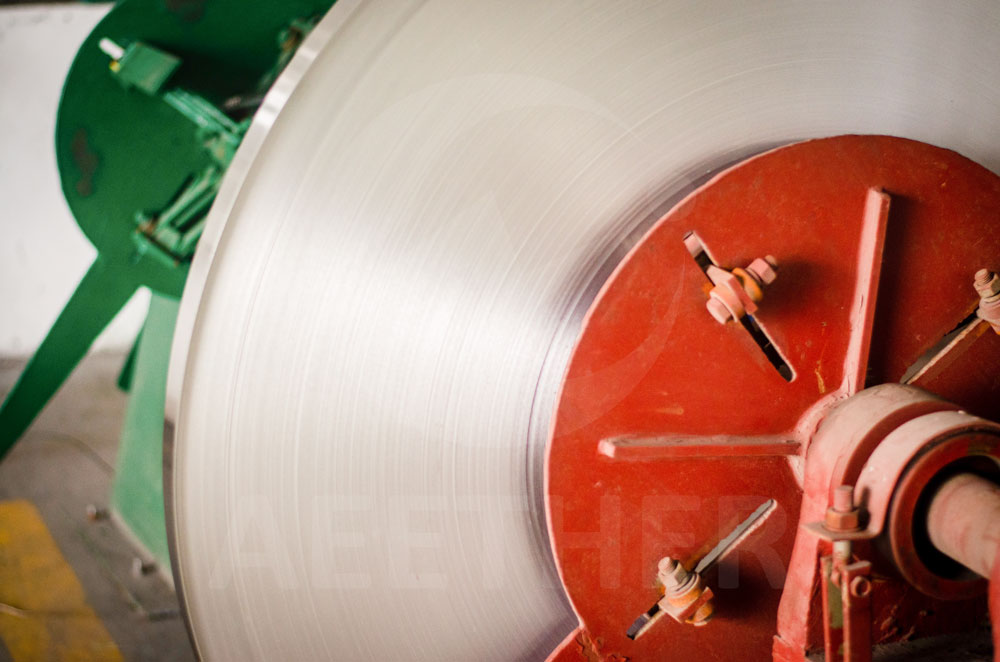
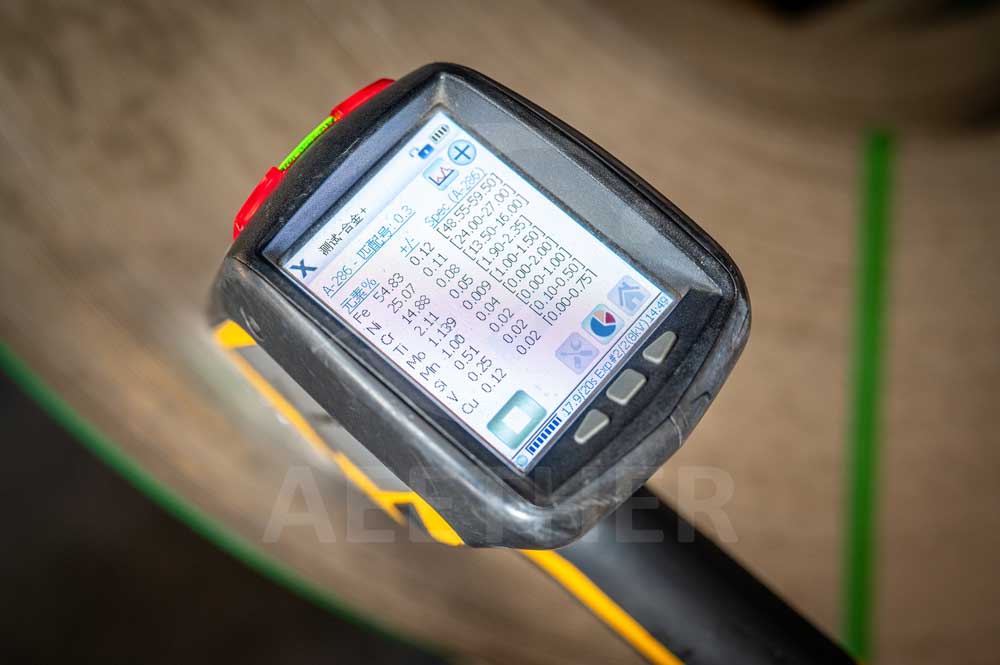
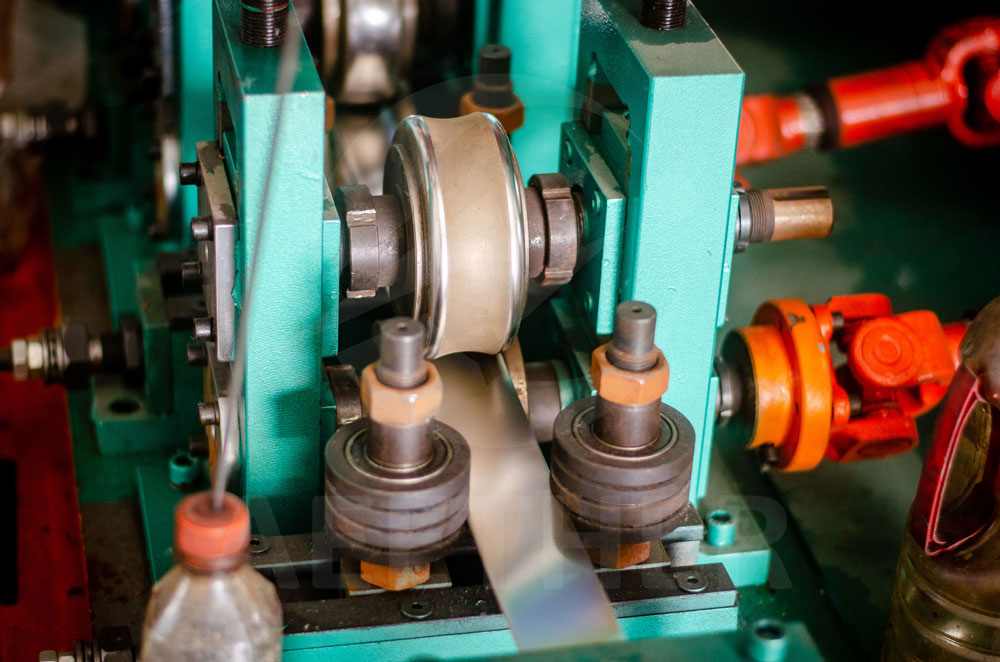
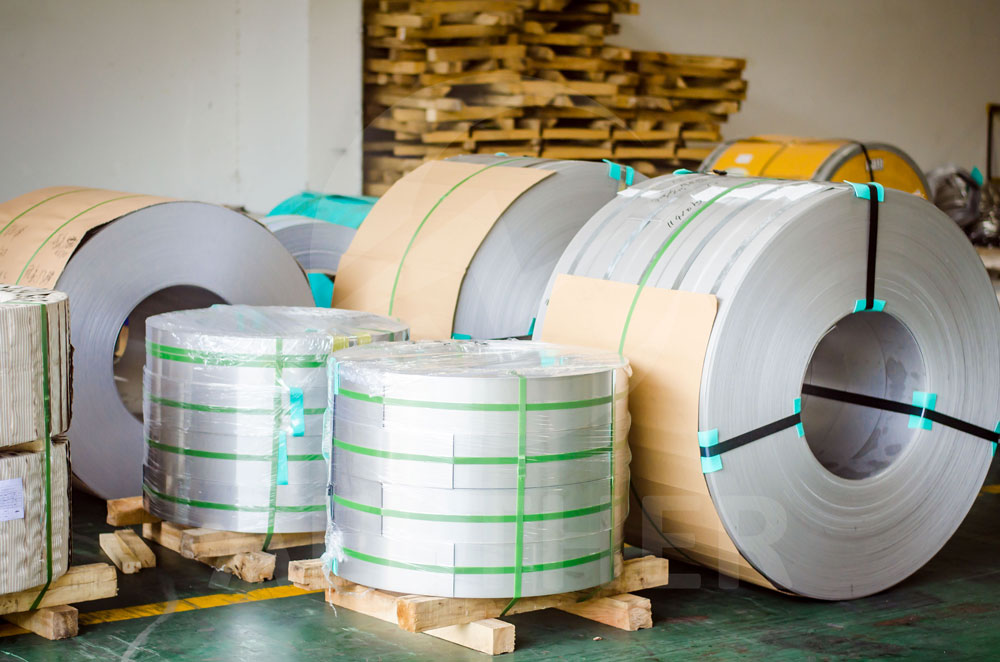
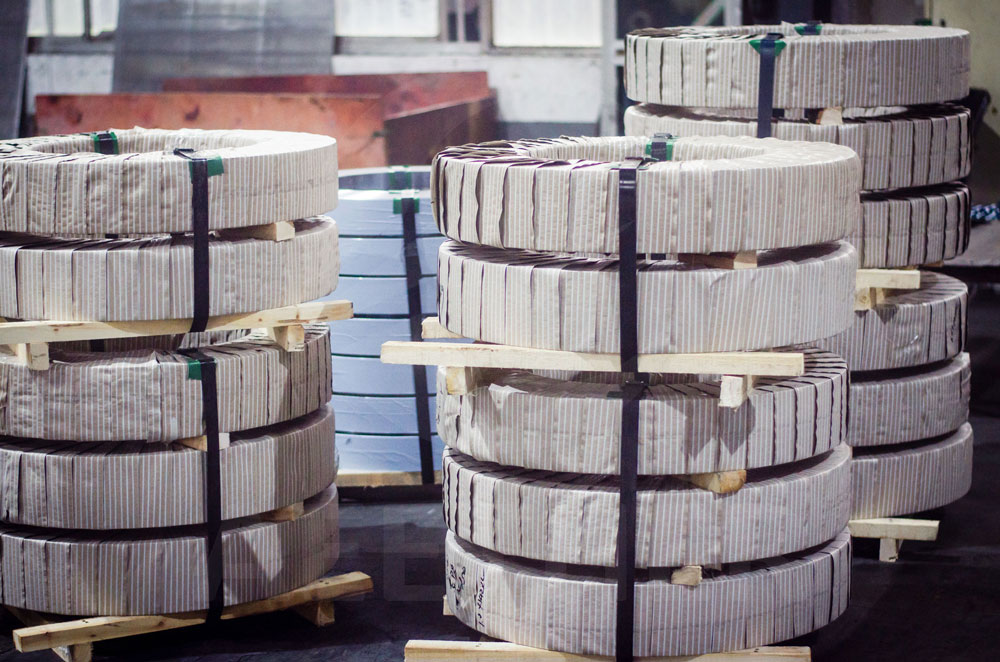
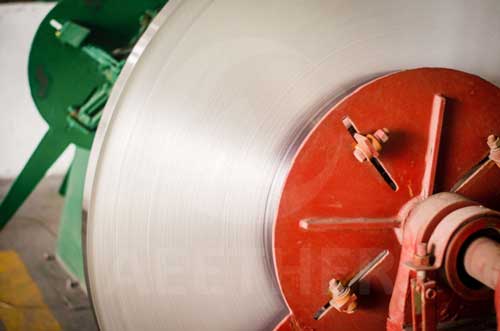
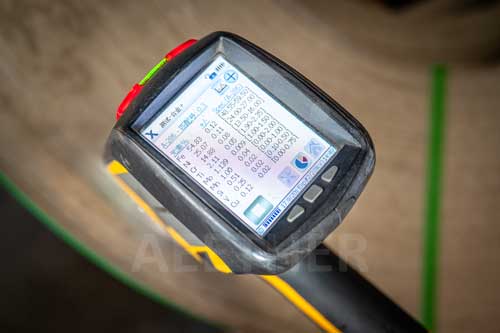
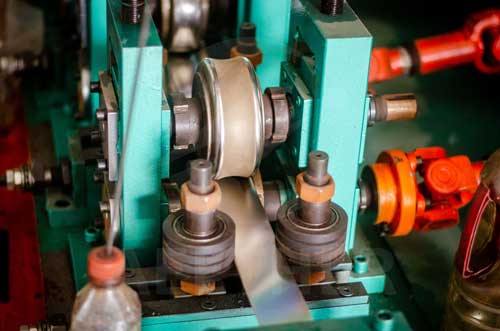
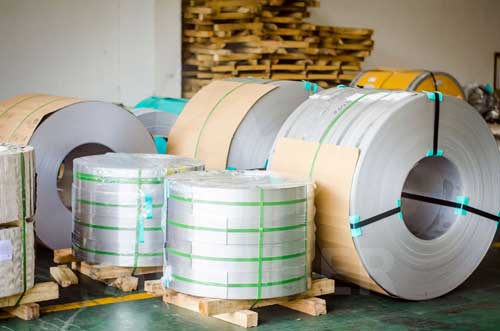
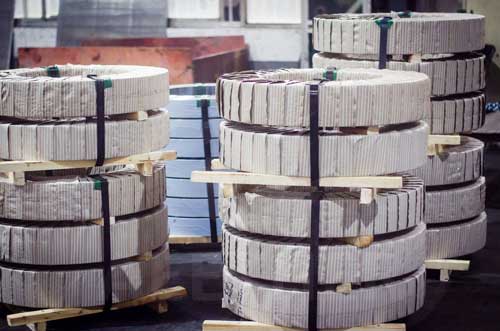
Incoloy A-286 Strip Supplier
Incoloy A-286 is a high strength superalloy. It is widely used in aerospace, petrochemical and other fields. Incoloy A-286 strip is a product form of this material. We manufacture this material according to SAE AMS 5525 standard.
We offer Incoloy A-286 strip in a variety of gauges and sizes. Incoloy A-286 strip has excellent mechanical properties and high temperature stability. It can maintain high strength and toughness at high temperature. At the same time, he also has good corrosion resistance.
Our Incoloy A-286 is delivered in solution treated state by default. This facilitates subsequent processing of your project. Of course, we can also deliver in the state of aging treated according to your requirements.
Chemical Composition of Incoloy A-286
S ≤ 0.030%
Si ≤ 1.00%
C ≤ 0.08%
Mn ≤ 2.00%
P ≤ 0.040%
B: 0.001% ~ 0.010%
V: 0.10% ~ 0.50%
Al ≤ 0.35%
Ti: 1.90% ~ 2.35%
Fe: 49.1% ~ 56.0%
Mo: 1.00% ~ 1.50%
Cr: 13.5% ~ 16.0%
Ni: 24.0% ~ 27.0%
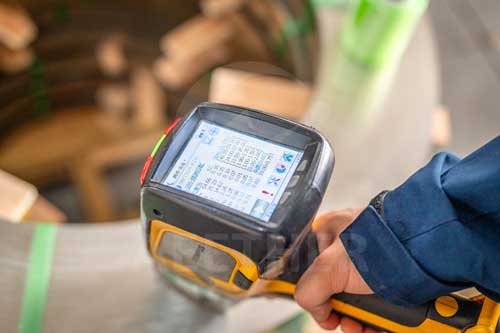
*Chemical Composition According to SAE AMS 5525
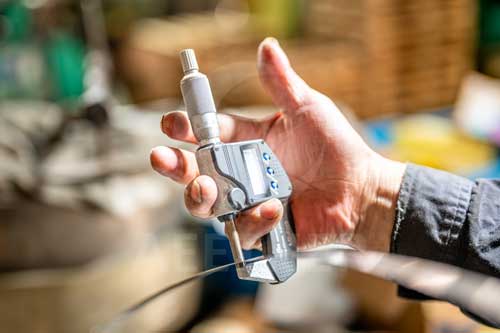

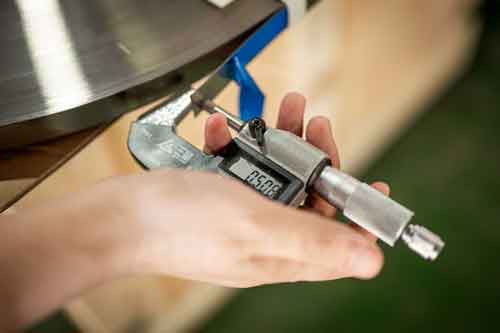
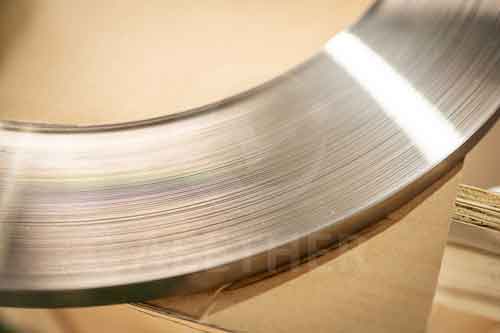
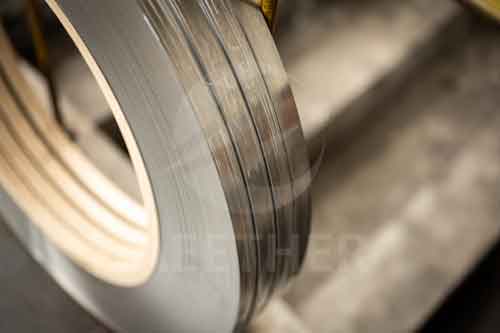
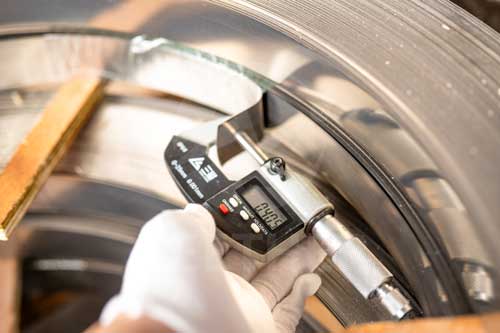
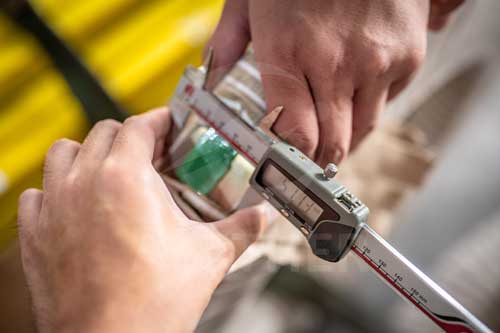
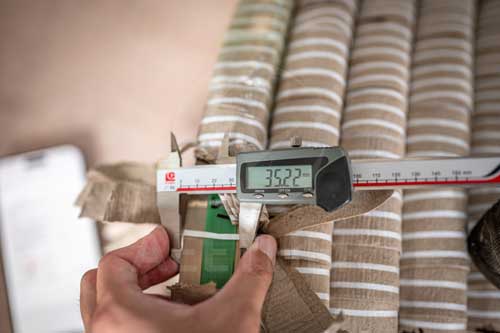
Customized Dimensions
Tolerance according to ASTM B906
*Customized size please confirm with us
Standards for Incoloy A-286 Strip
*As a professional manufacturer, our default standard for Incoloy A-286 strip is SAE AMS 5525. We can also produce according to other standards as per you required.
Try our Premium Products
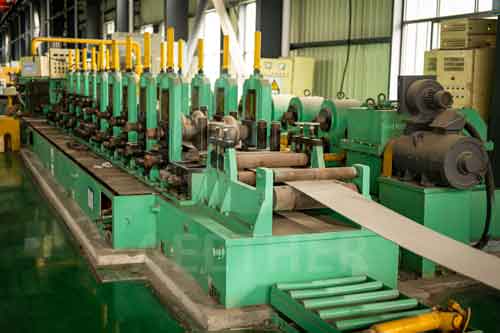
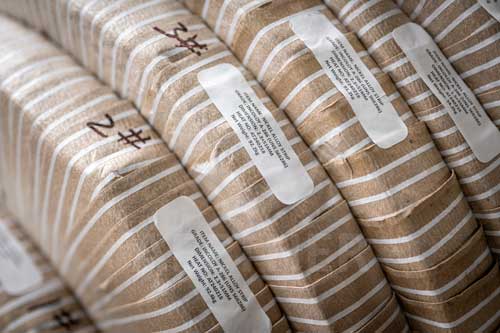
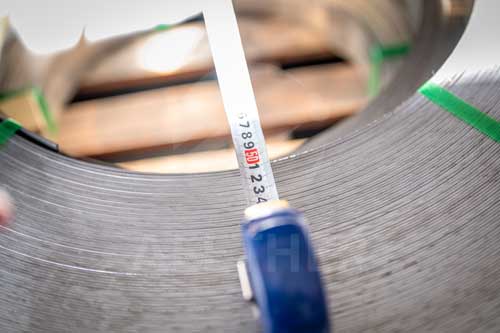
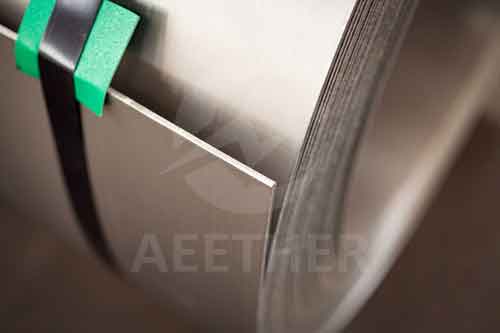
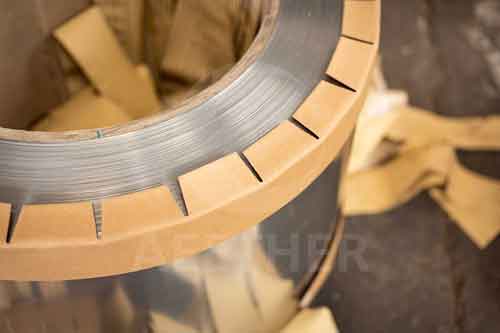
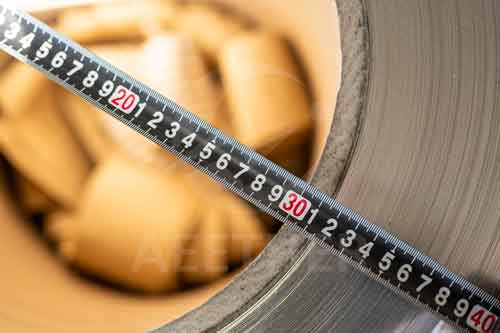
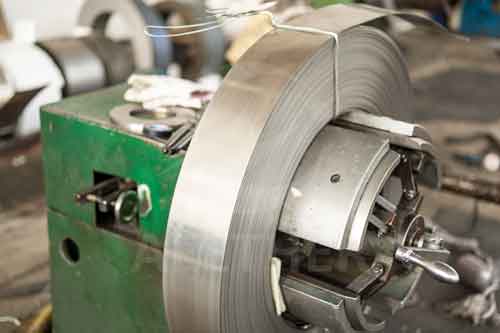
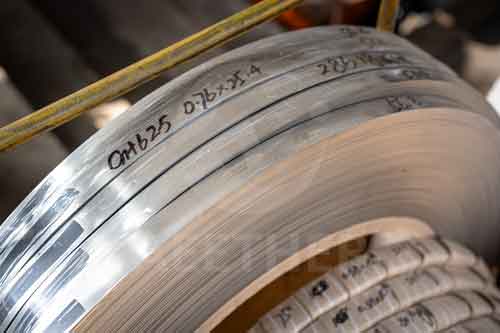
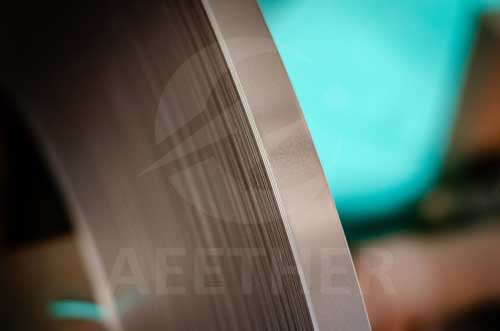
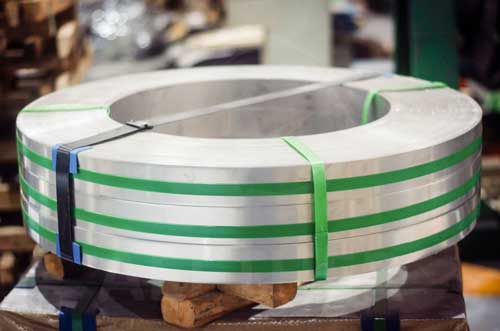
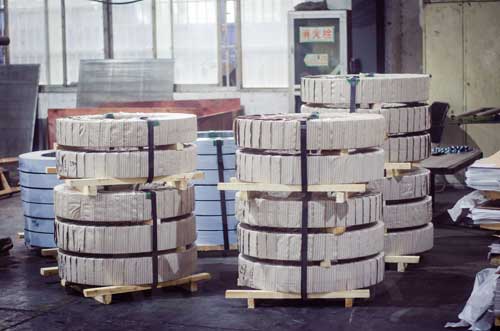
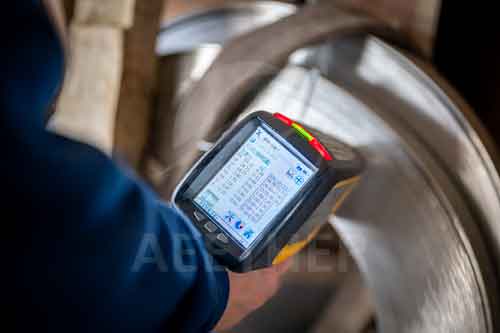
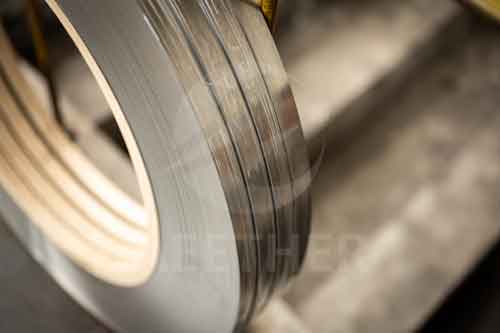
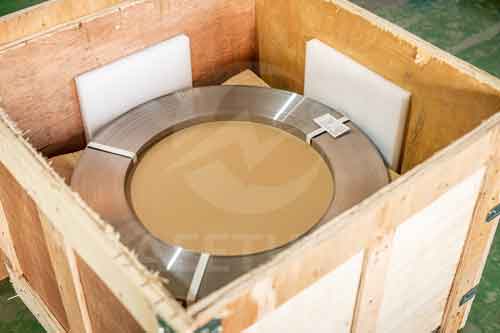
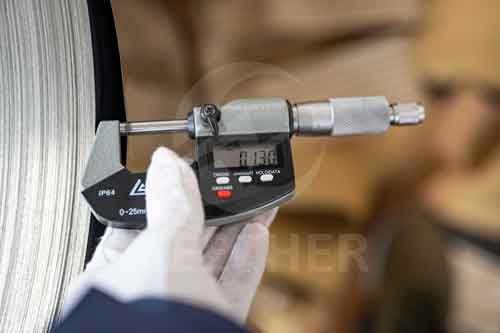
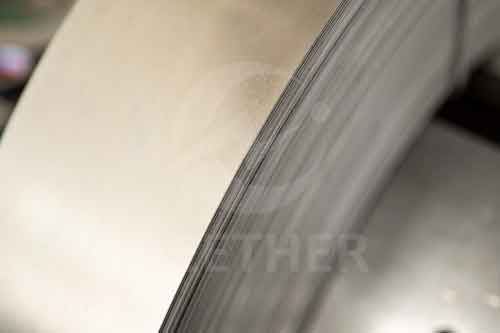
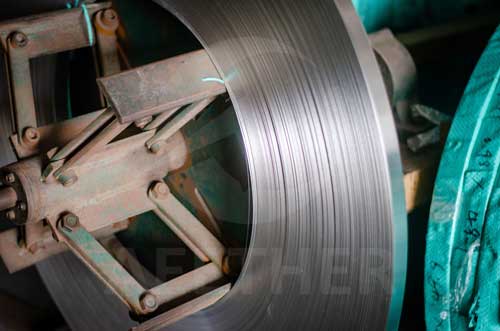
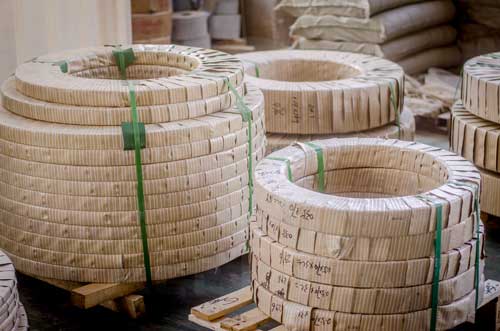
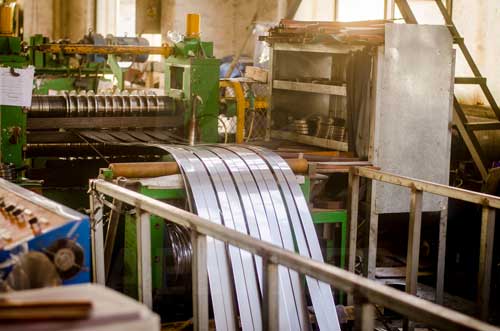
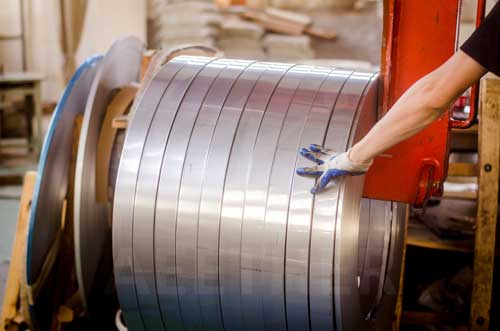
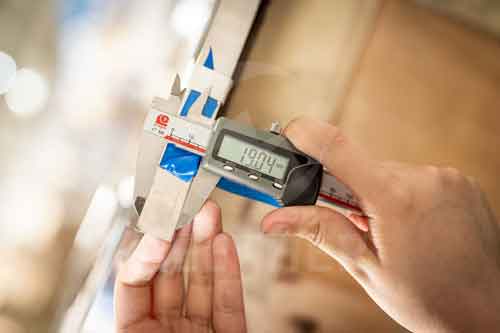
Edge to be Customized
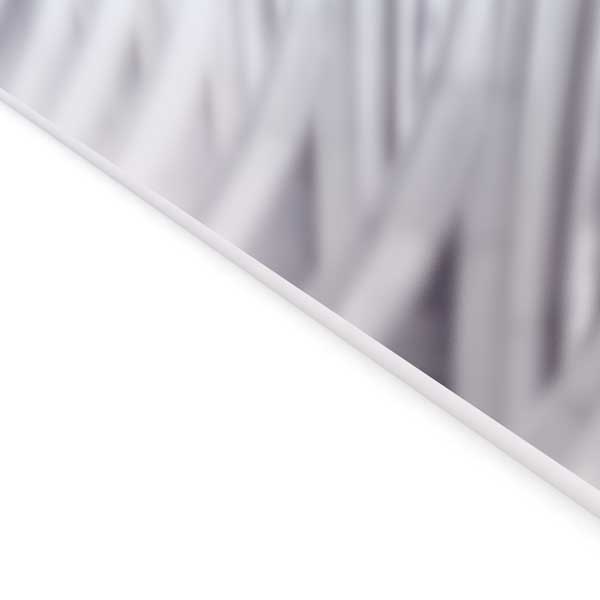
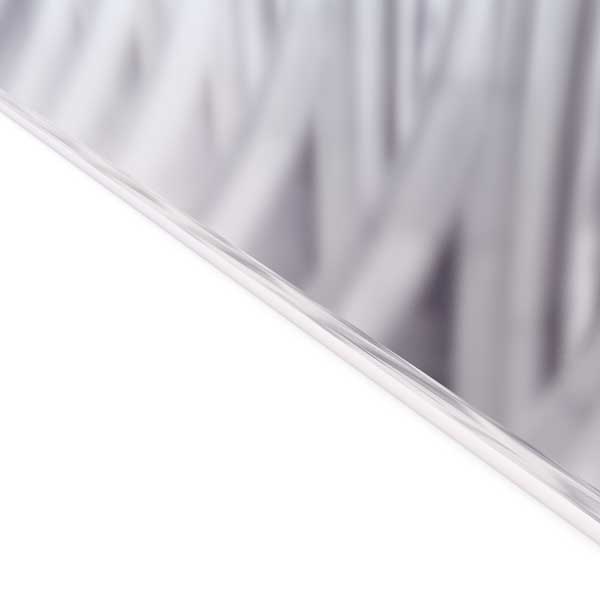
Data Sheet
Physical Properties
| Density | g/cm3 | 7.94 | |
|---|---|---|---|
| lb/in.3 | 0.287 | ||
| Melting Range | °F | 2500 - 2600 | |
| °C | 1370 - 1430 | ||
Mechanical Properties
| Condition & Size | Tensile Strength | Yield Strength (0.2% Offset) | Elongation | Reduction of Area | Hardness |
|---|---|---|---|---|---|
| MPa, min | MPa, min | %, min | %, min | Rockwell | |
| Solution Treated / 0.025 to 0.038mm, incl | 724 | ... | 10 | ... | 90B max |
| Solution Treated / Over 0.038 to 0.05mm, incl | 724 | ... | 12 | ... | 90B max |
| Solution Treated / Over 0.05 to 0.10mm, incl | 724 | ... | 20 | ... | 90B max |
| Solution Treated / Over 0.10mm | 724 | ... | 25 | ... | 90B max |
| Aging Treated / 0.025 to 0.038mm, incl | 862 | 655 | 4 | ... | 24C to 35C |
| Aging Treated / Over 0.038 to 0.05mm, incl | 896 | 655 | 8 | ... | 24C to 35C |
| Aging Treated / Over 0.05 to 0.10mm, incl | 931 | 655 | 10 | ... | 24C to 35C |
| Aging Treated / Over 0.10mm | 965 | 655 | 15 | ... | 24C to 35C |
*Mechanical Properties According to SAE AMS 5525
Both the strength and hardness of Incoloy A-286 strip can be enhanced by cold working. After cold working, the strength of the material can be further improved by aging treatment. Therefore, this material is often used to manufacture springs and fasteners with high strength and high corrosion resistance.
FAQ
What are the roles of elements such as nickel, chromium, and molybdenum in Incoloy A-286?
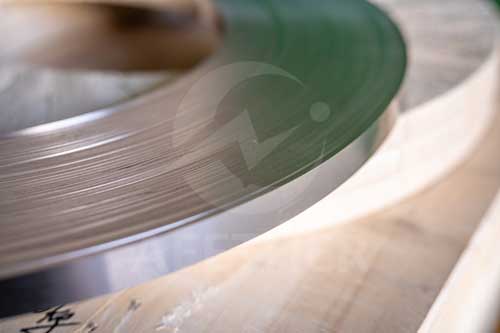
Nickel ensures the alloy’s fundamental high-temperature properties. Chromium and molybdenum are used to resist oxidative and reductive corrosion, respectively. Aluminum and titanium are the primary precipitation-hardening elements. A higher iron content helps reduce material costs, and vanadium contributes to both solution hardening and precipitation hardening.
What is the difference between strip and coil?
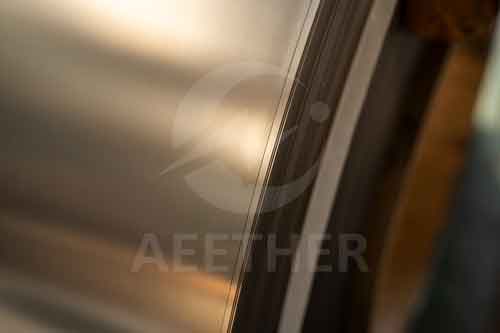
Width is the key factor distinguishing them. Generally, materials with a width of 250 mm or less are called strips, while those with greater widths are called coils. Therefore, strips can be obtained by slitting coils. However, a significant portion of superalloy strips are produced directly via cold rolling, and these strips offer greater advantages in terms of customized mechanical properties.
Are strips produced directly through rolling or obtained through slitting?
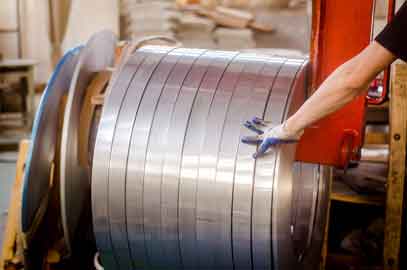
This primarily depends on the required strip width. When customers need narrow strips less than 250 mm wide, we prioritize direct cold rolling. For wider strips exceeding 250 mm, due to limitations on the cold rolling mill’s feed width and the strip’s width-to-thickness ratio, we must first produce wide coils and then cut them lengthwise to the desired width using a slitting machine.
Can you produce flat strip instead of coiled strip?

Of course. Although most strip is shipped in coils, we fully support the flattening process according to your needs. The flattening process makes the strip extremely flat, and we can also cut it to your specified length, resulting in straight strips of any length. Strips processed in this way rival flat steel in both flatness and dimensional accuracy, making them ideal for applications requiring straight material.
Is the length of a single coil of strip continuous?
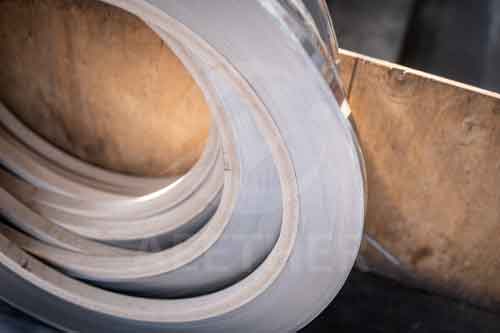
Yes. Our strip is produced directly through a continuous rolling process, ensuring length continuity. However, if you require extremely long strip exceeding standard rolling lengths and are willing to accept welded extensions, we can weld the ends of multiple strip segments together to provide longer single-coil lengths according to your needs.
Do you smelt the material yourselves, or do you purchase it from third parties?
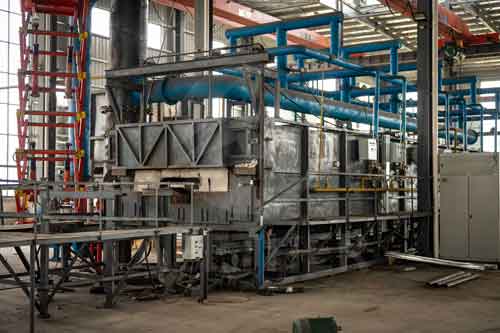
We smelt the material ourselves. Our plant is equipped with vacuum induction furnaces and electroslag remelting furnaces, covering common grades of nickel-based alloys and superalloys. The smelted ingots are not sold directly but are instead billeted according to the final product form (tubes, plates, bars). For strip, we first produce strip billets, followed by subsequent steps such as hot rolling and cold rolling.
Incoloy A-286 Applications


Other Informations
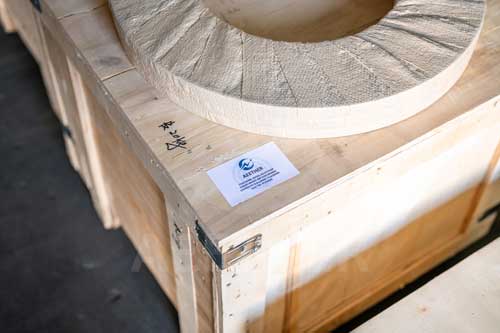
Package

Plastic Bag

Carton Box

Wood Reel

Wooden Pallet
Logistics

By Sea

By Air
Price Term
Get a Free Quote NOW