
Incoloy Alloy A-286 (UNS S66286 / W.Nr. 1.4980)Round Bar & Rod
- AEETHER
- Incoloy Alloy A-286 Bars
- Round Bar & Rod

Get a Free Quote NOW
Send Inquiry and Get Our Latest Full Set Data Sheet

Quotation with
Valuable Data Sheet

Ship with MTC Acc.
to EN 10204/3.1

Quick Responce
within 24 Hours

Complete
Aging Treatment

High Precision
Process Available

Excellent Strength
at Lower Cost
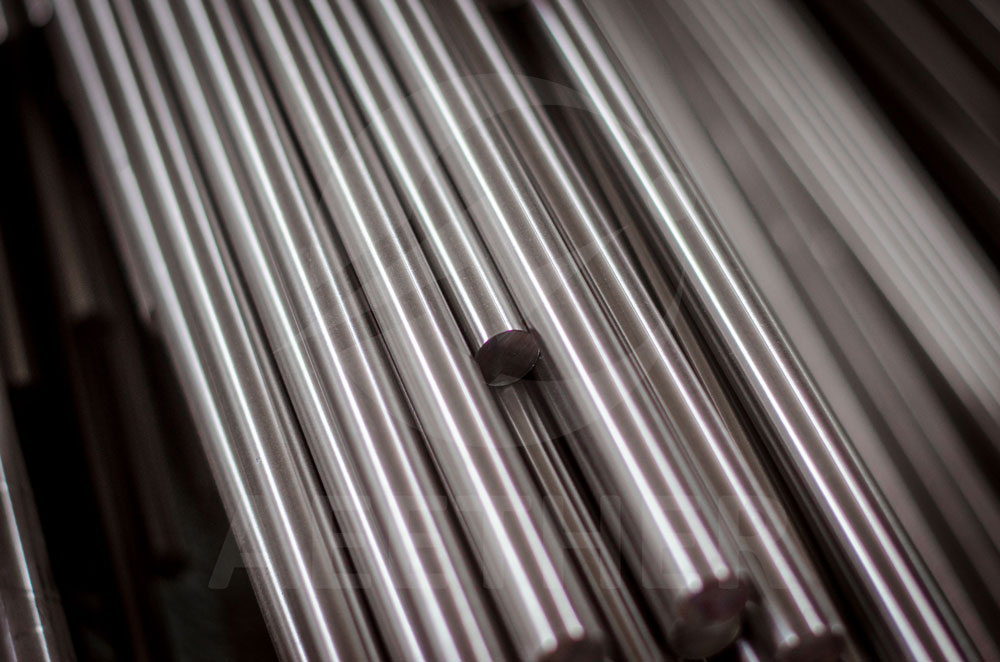
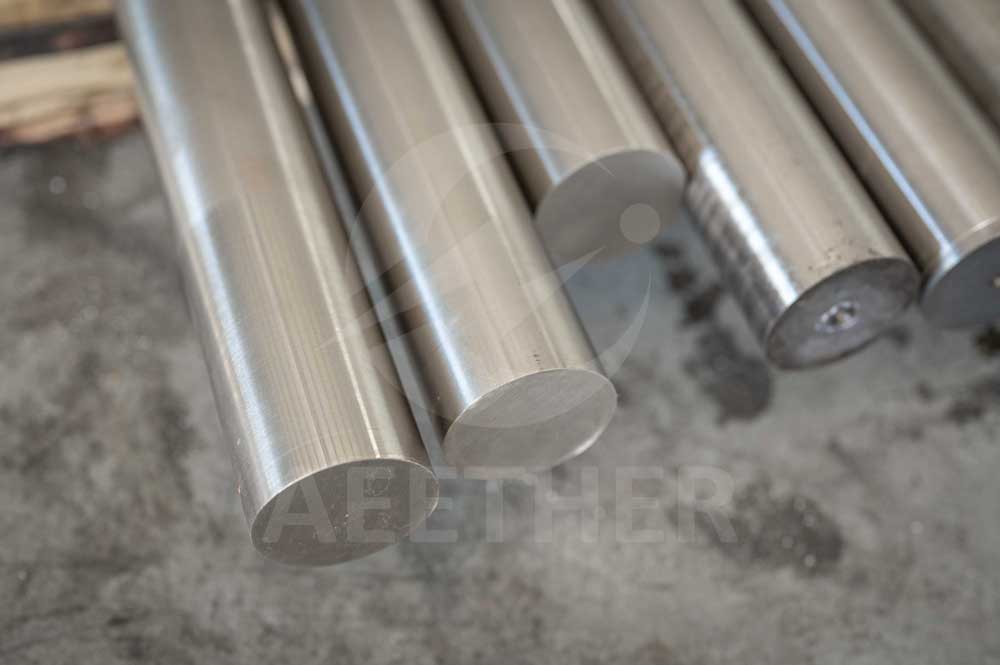
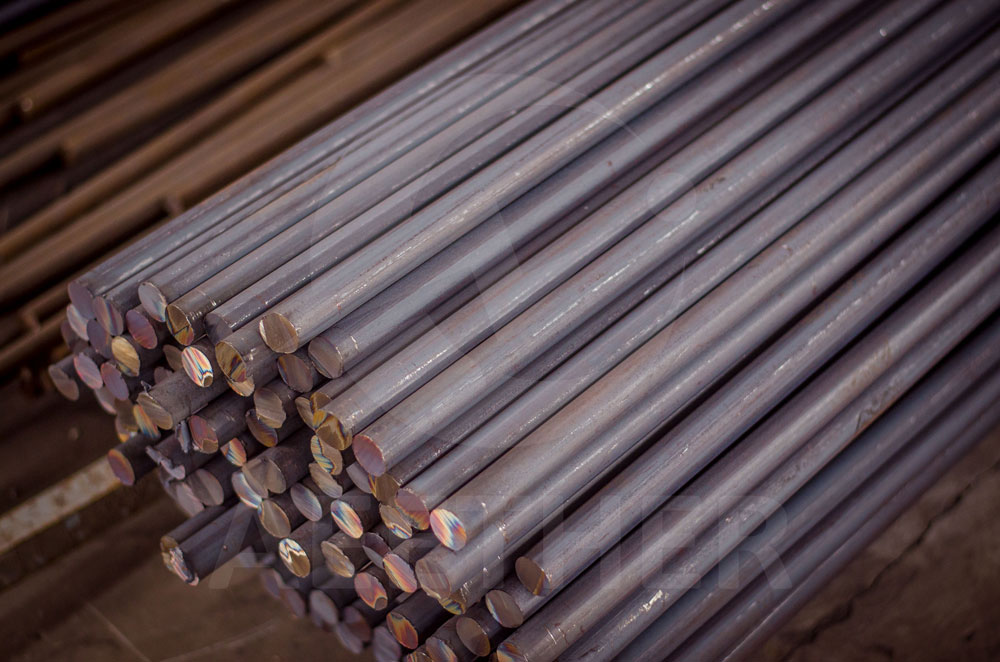
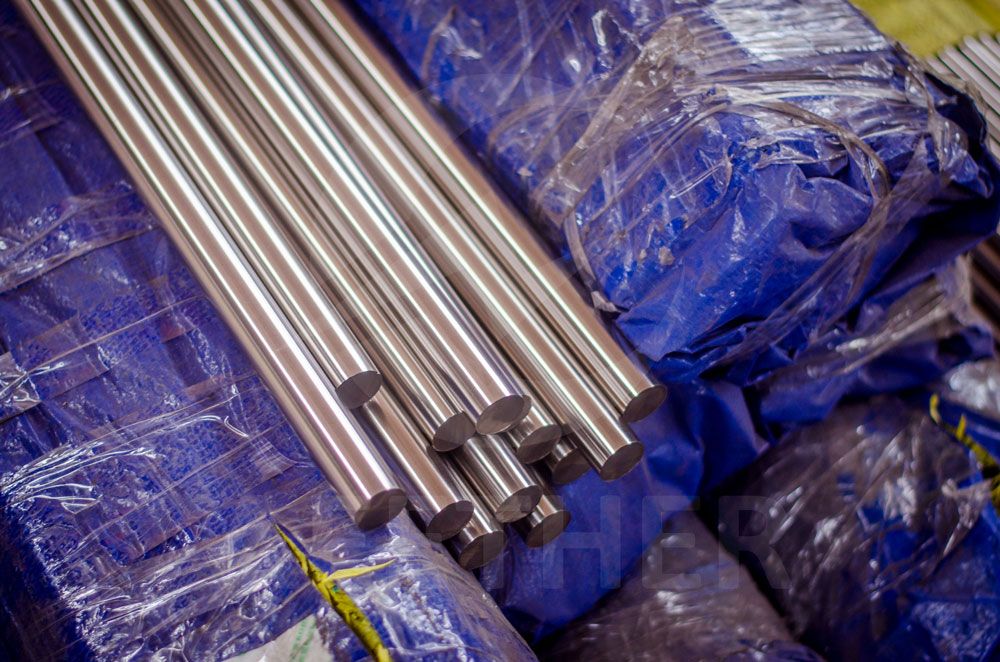
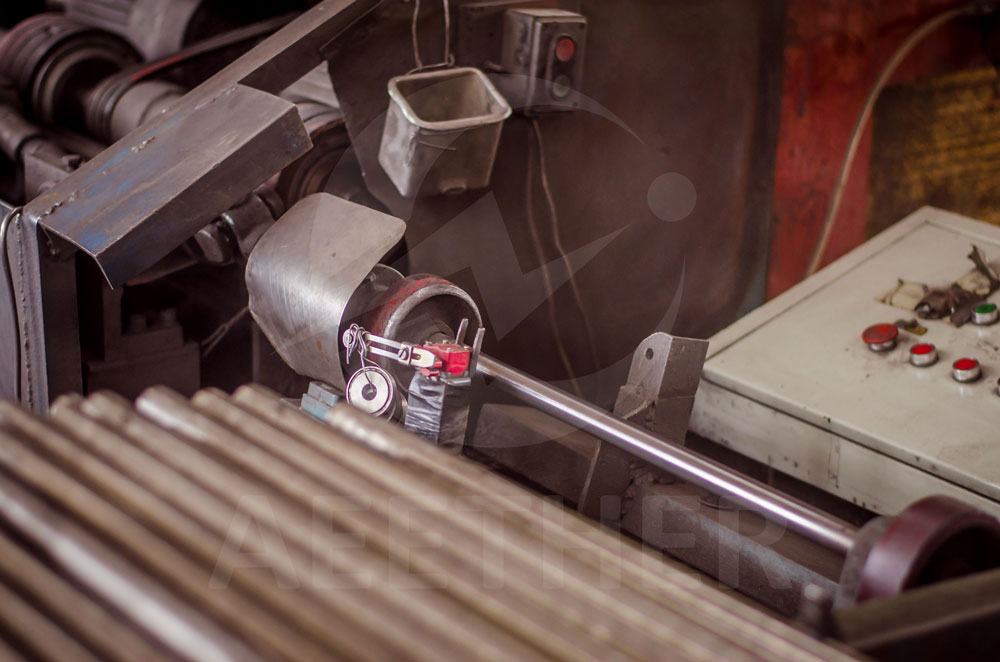
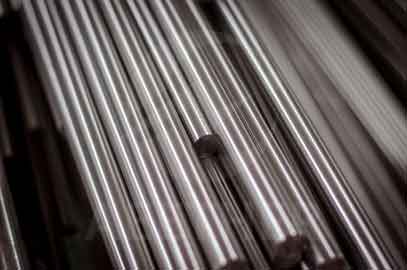
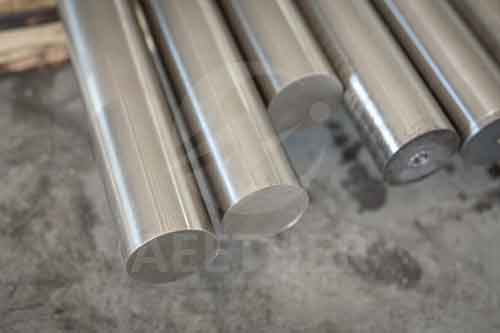
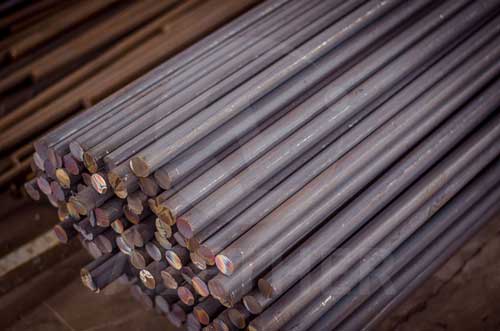
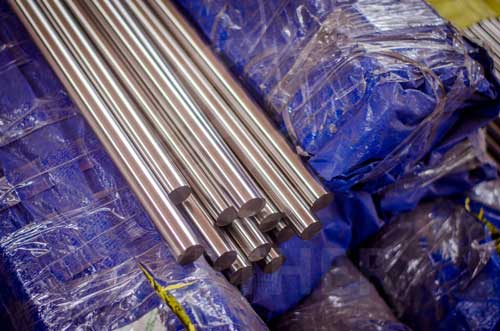
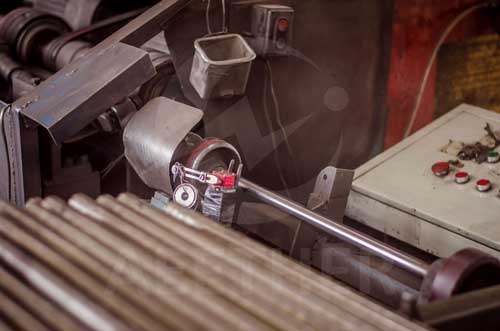
Incoloy A-286 Round Bar & Rod Supplier
As a professional nickel alloy material supplier, AEETHER produces high quality Incoloy A-286 (UNS S66286) round bar & rod.
Incoloy A-286 is a precipitation strengthened superalloy. It has very high strength. Incoloy A-286 has a higher nickel content than ordinary stainless steel, which also makes it more resistant to corrosion. Compared to other superalloys, Incoloy A-286 has a lower price.
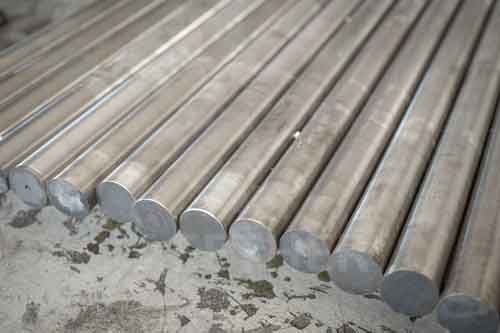
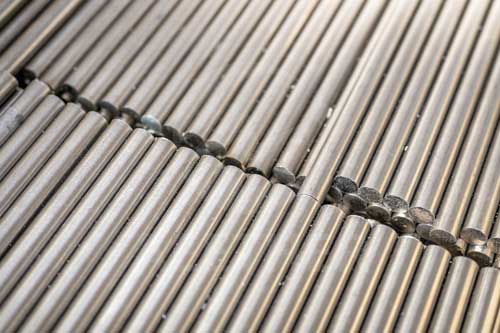
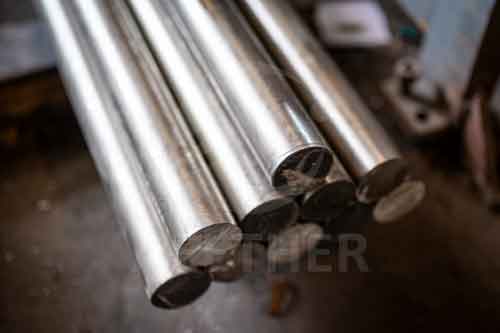
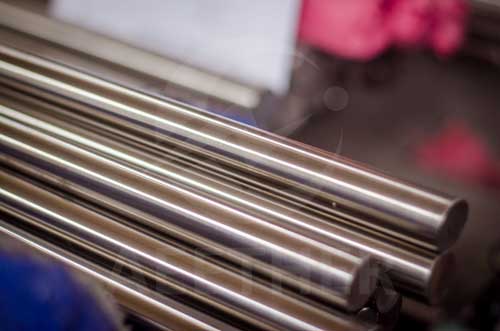
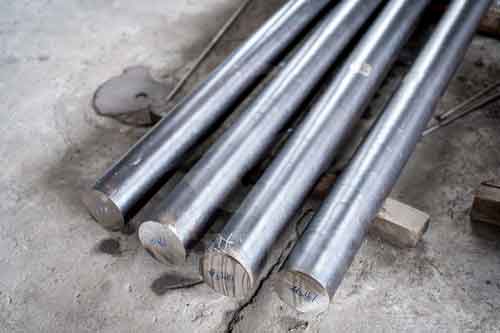
We manufacture Incoloy A-286 round bar & rod according to ASTM A638. In the standard, Incoloy A-286 is divided into Type 1 and Type 2 according to different heat treatment systems. Please confirm with the supplier before placing the order. For Incoloy A-286 round bar, we use hot rolling or forging process for producing. For Incoloy A-286 rod, we use cold drawn process. For all Incoloy A-286 round bar & rods, we polish the material by default.
Chemical Composition of Incoloy A-286
S ≤ 0.030%
Si ≤ 1.00%
C ≤ 0.08%
Mn ≤ 2.00%
P ≤ 0.040%
B: 0.001% ~ 0.010%
V: 0.10% ~ 0.50%
Al ≤ 0.35%
Ti: 1.90% ~ 2.35%
Fe: 49.1% ~ 56.0%
Mo: 1.00% ~ 1.50%
Cr: 13.5% ~ 16.0%
Ni: 24.0% ~ 27.0%
*Chemical Composition According to ASTM A638
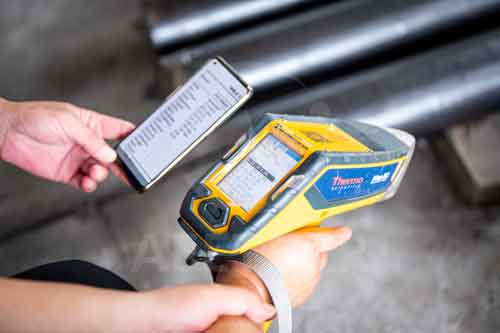
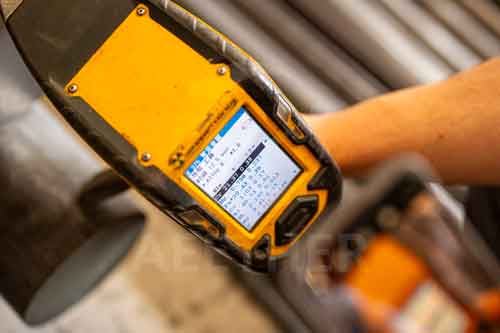
Suppliers shall perform chemical analysis of material in accordance with ASTM A751.
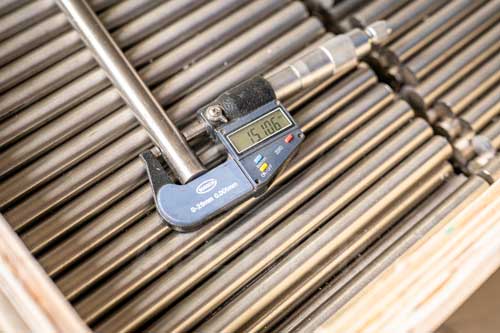
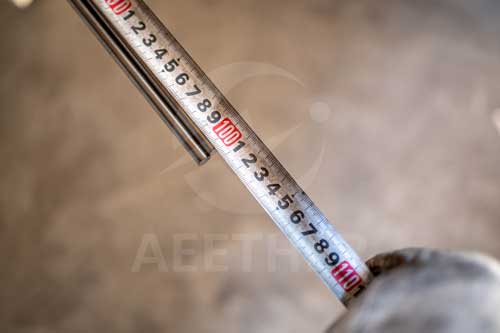
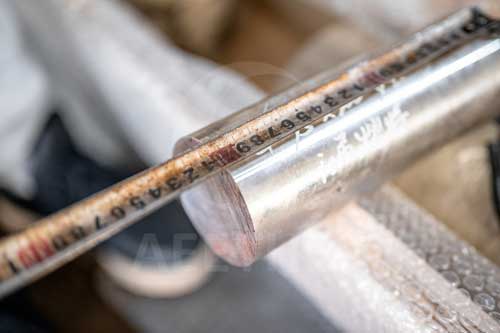
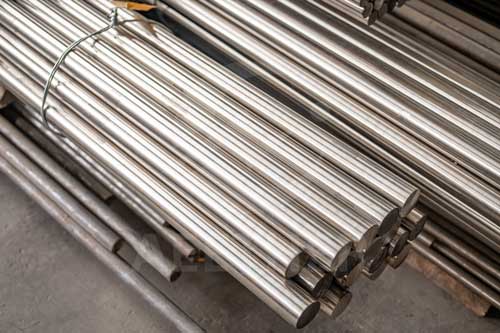
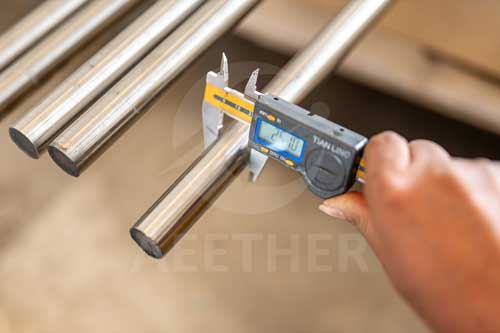
Customized Dimensions
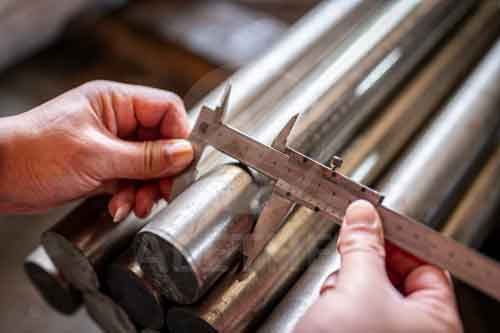
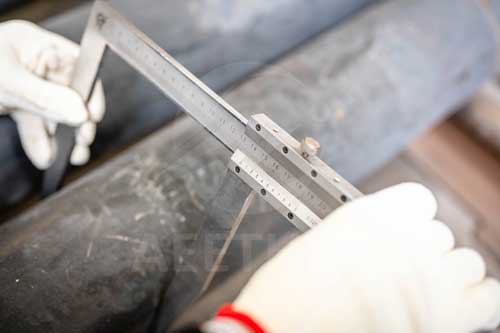
h9 / h11 Tolerance Available
*Customized size please confirm with us
Standards for Incoloy A-286 Round Bar & Rod
*As a professional manufacturer, our default standard for Incoloy A-286 round bar & rod is ASTM A638. We can also produce according to other standards as per you required.
Try our Premium Products
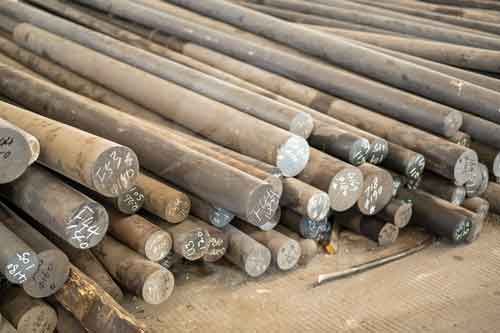
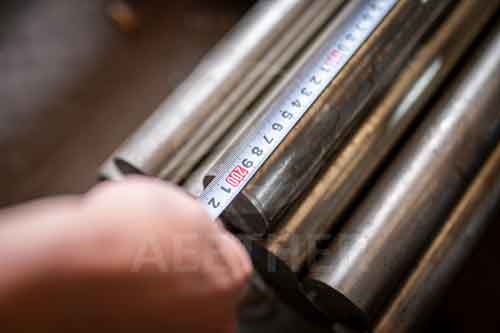
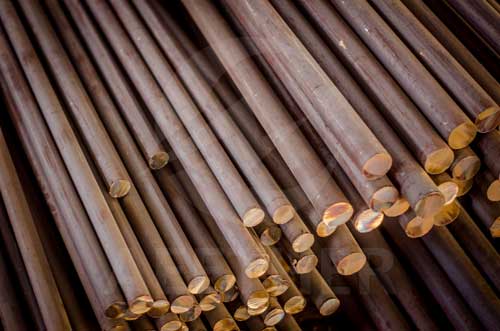
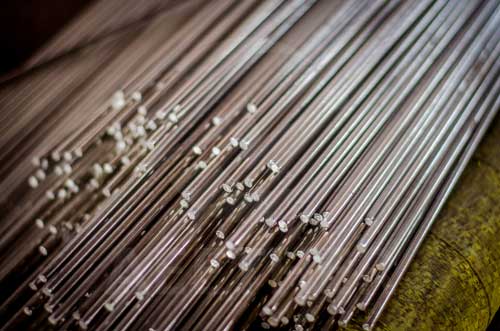
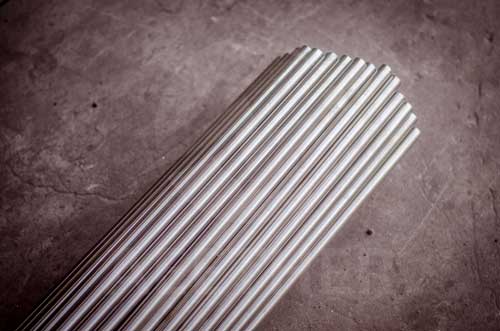
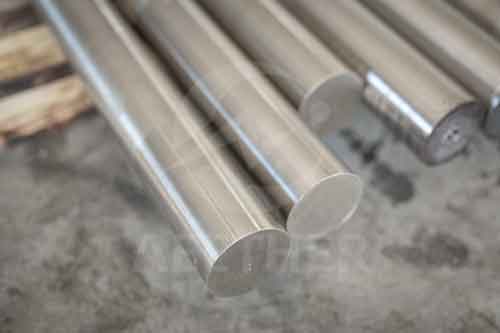

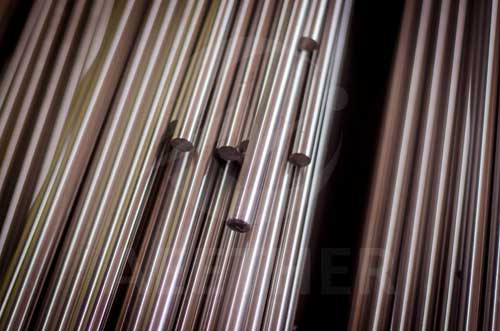
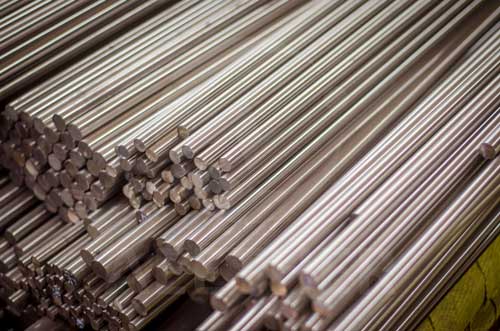
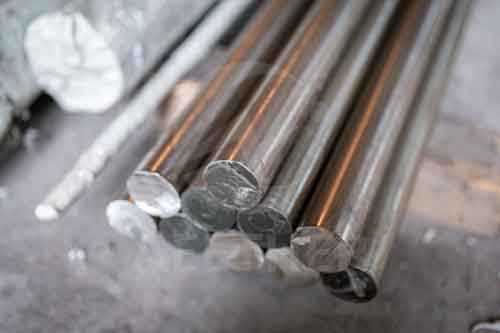
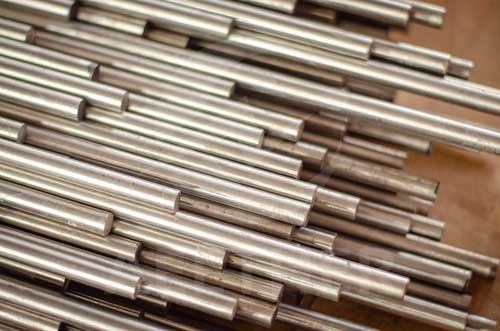
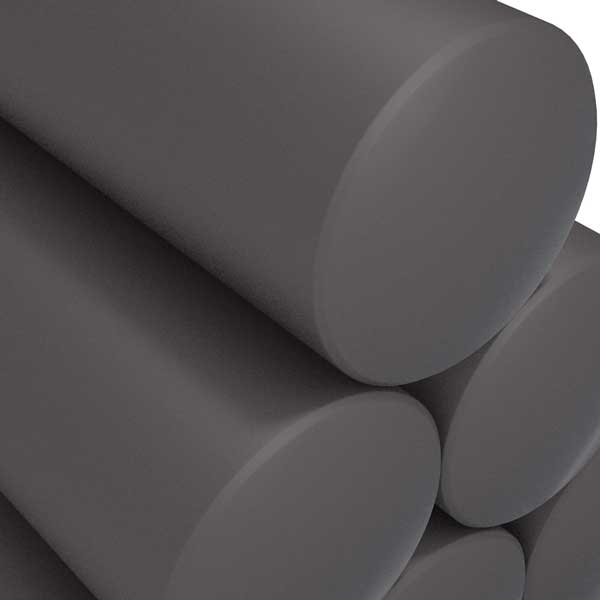
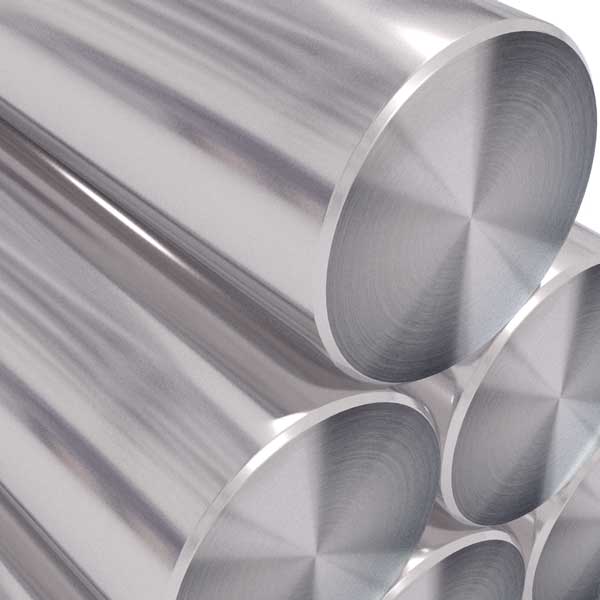
Surface to be Customized
Data Sheet
Physical Properties
| Density | g/cm3 | 7.94 | |
|---|---|---|---|
| lb/in.3 | 0.287 | ||
| Melting Range | °F | 2500 - 2600 | |
| °C | 1370 - 1430 | ||
Mechanical Properties
| Condition & Size | Tensile Strength | Yield Strength (0.2% Offset) | Elongation | Reduction of Area | Hardness |
|---|---|---|---|---|---|
| MPa, min | MPa, min | %, min | %, min | HB, min | |
| solution + precipitation harden | 895 | 585 | 15 | 18 | 248 |
*Mechanical Properties According to ASTM A638
As a professional supplier, we supply our customers with two heat treatment states:
Type 1: 1650 ± 25°F [900 ± 15°C], hold 2 hr, oil or water quench / 1300 to 1400°F [705 to 760°C], hold 16 h, air cool or furnace cool
Type 2: 1800 ± 25°F [980 ± 15°C], hold 1 h, oil or water quench / 1300 to 1400°F [705 to 760°C], hold 16 h, air cool or furnace cool
Our Capacity
Our
Certificates
We hold widely recognized industry certifications such as ISO 9001 and ISO 14001. These certifications demonstrate the quality of our production and compliance with regulations throughout the manufacturing process. Additionally, certifications such as EN 9100 showcase our commitment to product quality in specific sectors, including aerospace.

ISO
9001

ISO
14001

ISO
45001

EN
9100
Customers
Said
The customers' original words of appreciation in the email communication records are a genuine expression of their feelings, and also the most powerful testament to the high quality of our products and sales services.
0

We are
Trusted by
We have not only supplied products to many well-known companies, but also served as consultants to answer their technical questions. Many prestigious universities have also used our materials in experiments.

SpaceX

General
Electric

Hitachi
Energy

Siemens
Energy

Honeywell

NASA

Safran

Total
Energies

Baker
Hughes

LG
Electronics
Stanford
University

University
of Oxford

Columbia
University

University
of Michigan

University
of Washington

Washington State
University

University
of Texas at Austin

Texas Tech
University

University
of Florida

University
of Illinois
FAQ
What roles do the major elements in Incoloy A-286 play?
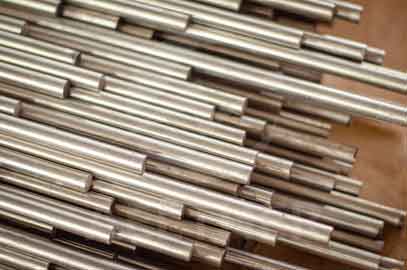
Nickel provides the alloy with its basic high-temperature properties. Chromium and molybdenum contribute resistance to oxidation and reduction corrosion, respectively. Aluminum and titanium are key elements for precipitation hardening. Iron, as one of the main constituents, significantly reduces cost, and vanadium serves a dual function of both solution strengthening and precipitation hardening.
What is the difference between hot-rolled round bar and forged round bar?
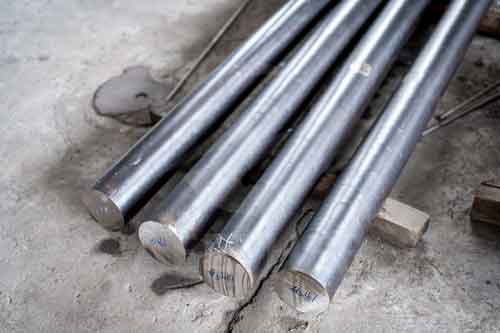
Both are hot-worked, but they affect material properties differently. Hot-rolled round bar generally has better roundness and tighter outer diameter tolerances; forged round bar, on the other hand, has better straightness, and the process can refine the grain structure. Forged round bar can also be ground to compensate for any deficiencies in roundness and dimensional accuracy.
Can you provide ground bright round bars?
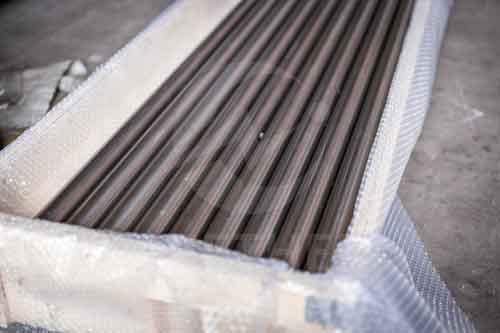
Yes, we can, but it depends on the specific requirements. If the customer only requires a bright surface finish, we use a polishing process by default, which is highly efficient and cost-effective. If the customer also requires high dimensional accuracy and straightness (for example, for hydraulic piston rods or precision shafts), polishing often falls short, and grinding is necessary. Grinding is performed on a centerless grinding machine, which ensures both diameter tolerance and straightness requirements are met.
What is the standard length for round bars? Do you accept custom lengths?
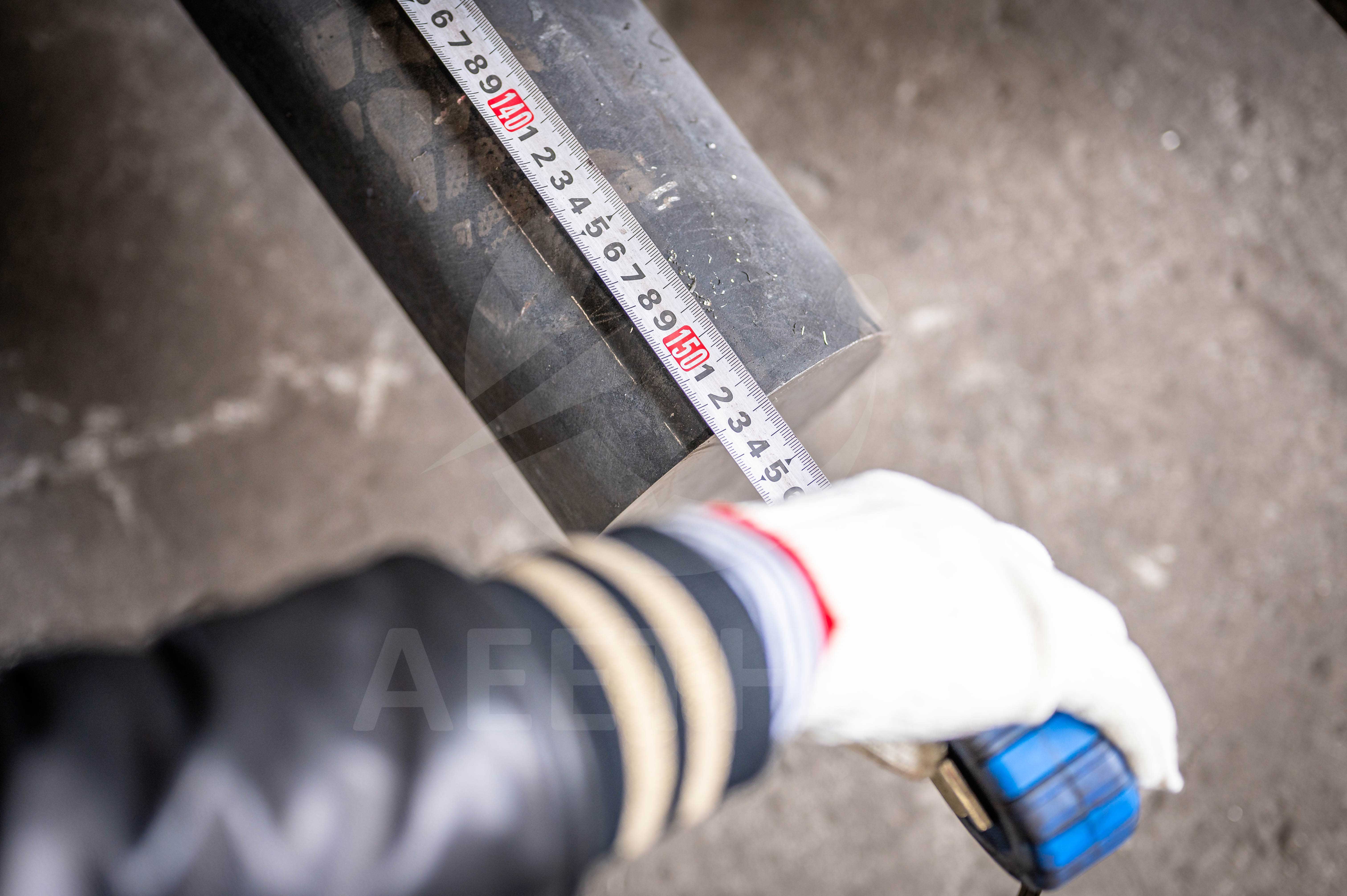
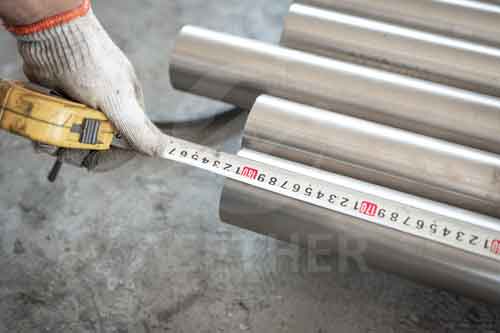
We deliver in 1-meter lengths by default. In addition to standard lengths, we can also customize any length according to your requirements. It should be noted that the maximum achievable length varies significantly depending on the rod diameter: small diameters (Φ ≤ 20 mm) can reach 6–8 meters; medium diameters (Φ 20–60 mm) are typically 4–6 meters; and large diameters (Φ ≥ 60 mm) generally do not exceed 4 meters. To ensure your application requirements are met, please provide specific diameter and length specifications when placing an order.
What are your roundness control standards for round bars?
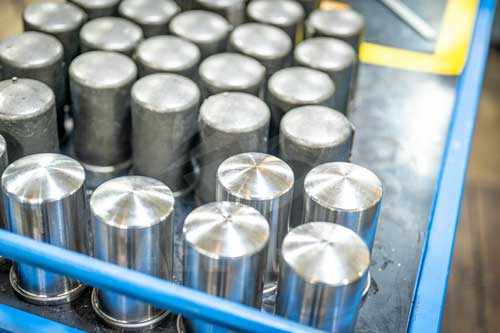
This depends on the delivery condition. If the customer orders bright-finished round bars, we measure the outer diameter at multiple cross-sections using an outside micrometer after peeling and polishing to ensure roundness meets ASTM or customer drawing requirements. There are no roundness requirements for black-finished round bars, as they are only semi-finished products. Customers will machine them after receipt, and the roundness of the finished product is guaranteed by the machine tools. Therefore, the surface quality and dimensional accuracy of black round bars are relatively less stringent, and their price is significantly lower.
What is the polishing of round bars?
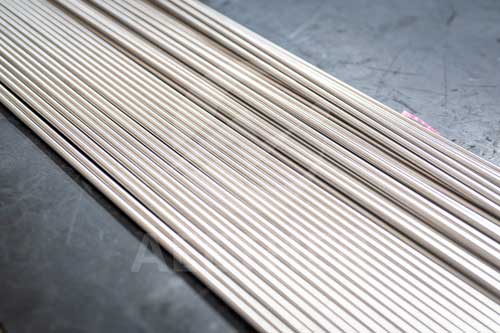
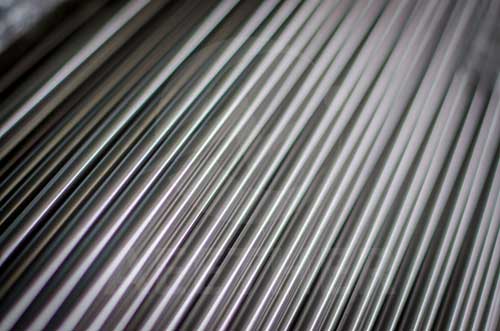
Polishing refers to the mechanical grinding of the round bar’s surface using abrasives (such as grinding wheels or sanding belts) to achieve a bright, smooth finish. This process is particularly suitable for hot-rolled round bars, as their surfaces are often covered with a layer of scale that is difficult to remove. Polishing can thoroughly remove this scale and reveal the metal’s natural color. In contrast, during the manufacturing of cold-drawn rods, the inner walls of the die exert a polishing and hardening effect on the bar material. As a result, the bars naturally emerge from the die with a bright, fine-grained surface that requires no additional polishing.
Incoloy A-286 Applications


Other Informations
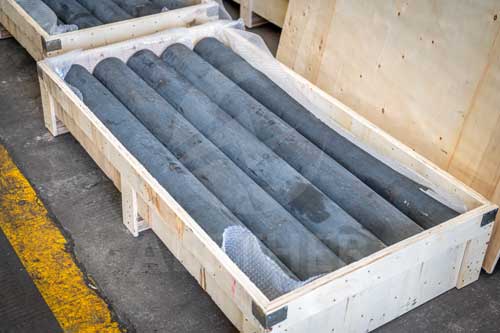
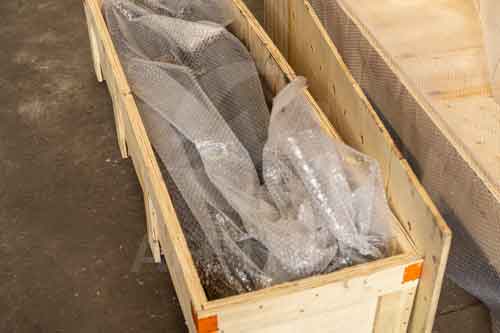
Package

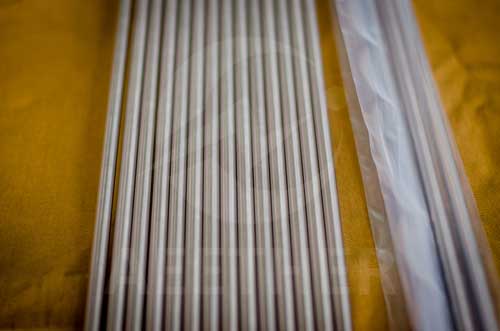
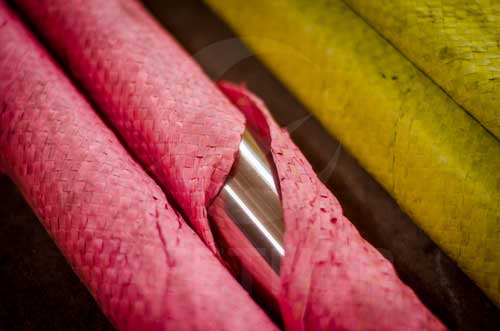
Plastic Bag

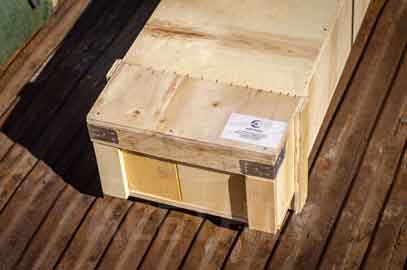
Wooden Case
Logistics

By Sea

By Air
Price Term
Get a Free Quote NOW