
Inconel Alloy X-750 (UNS N07750)Wire

Get a Free Quote NOW
Send Inquiry and Get Our Latest Full Set Data Sheet

Quotation with
Valuable Data Sheet

Ship with MTC Acc.
to EN 10204/3.1

Quick Responce
within 24 Hours

Complete
Aging Treatment

Customized Tensile
Strength as Required

Excellent High
Temperature Strength
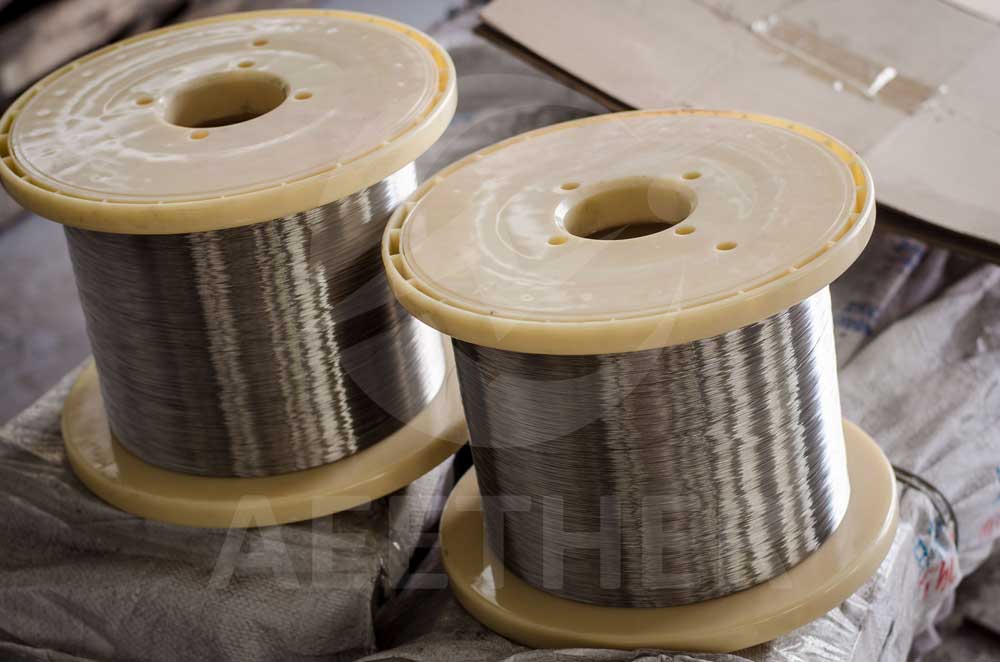
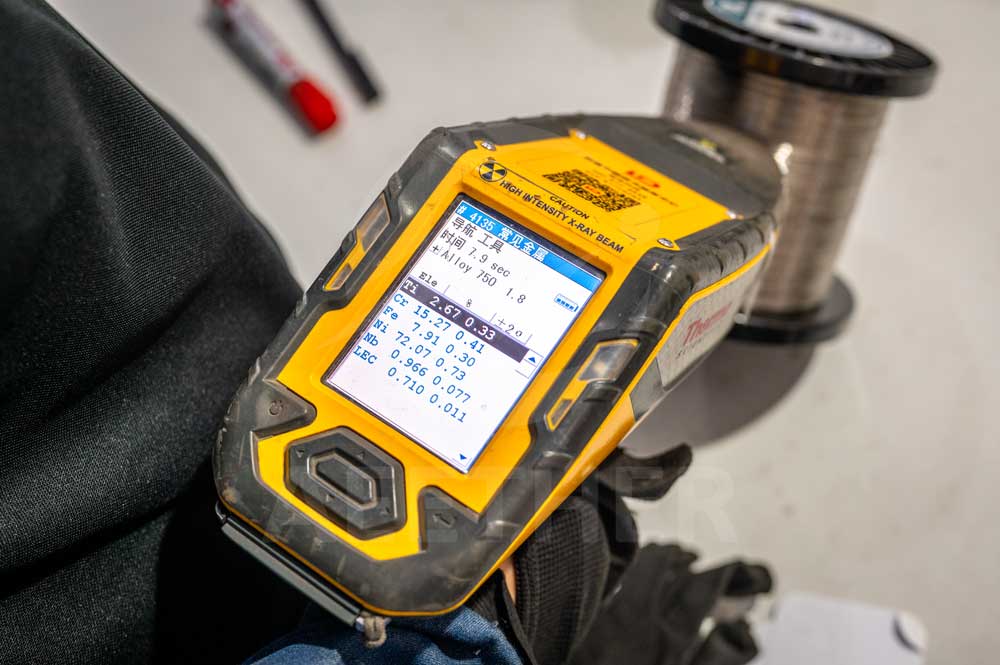
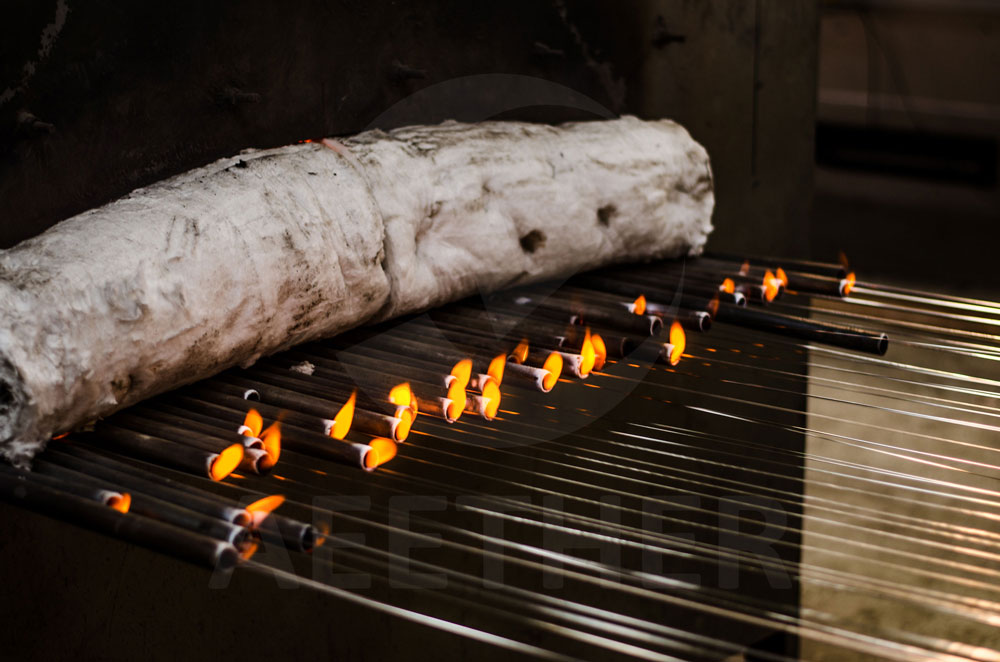
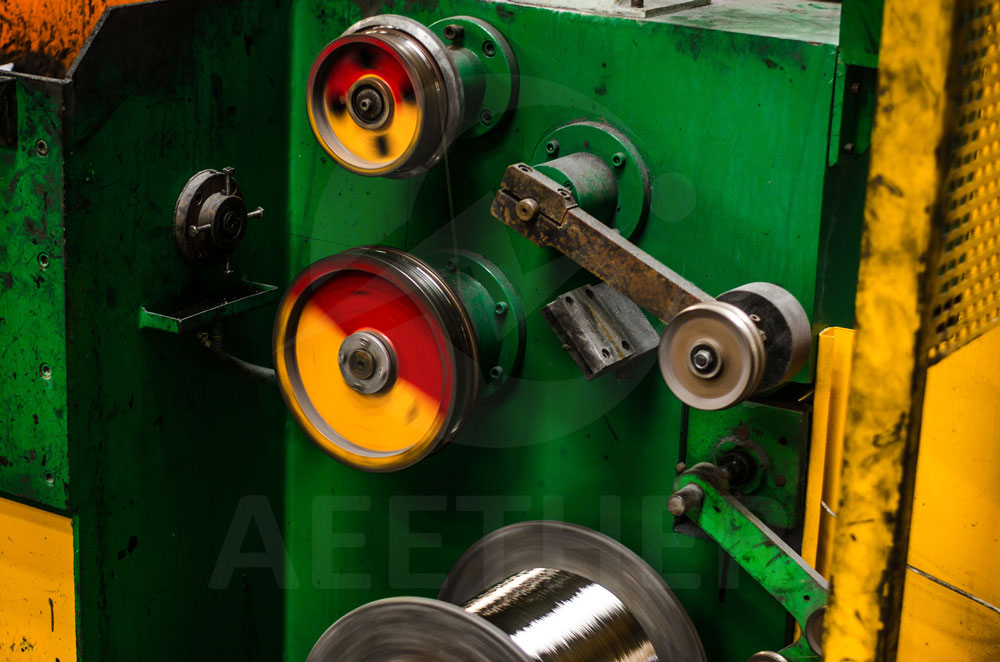
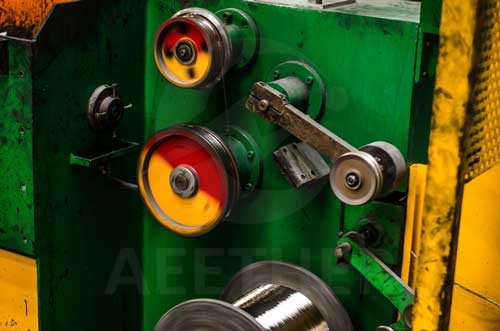
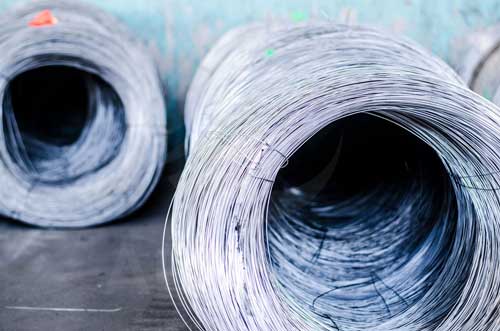
Inconel X-750 Wire Supplier
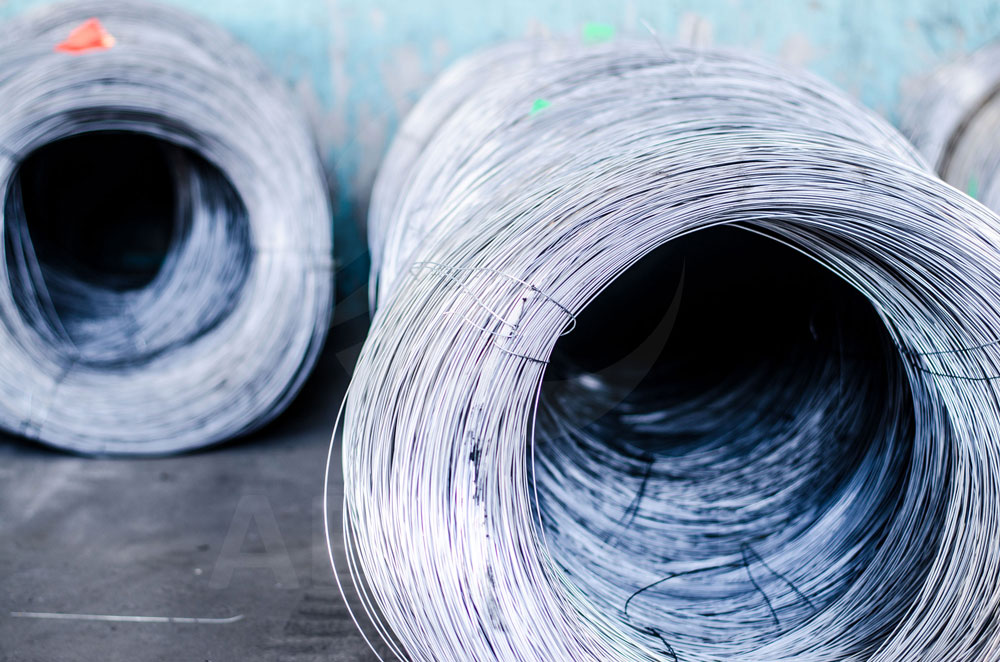
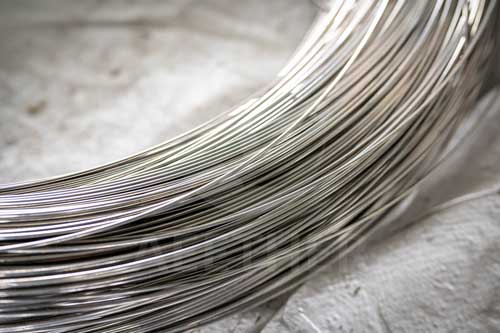
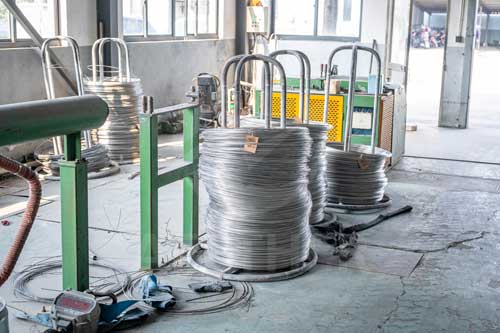
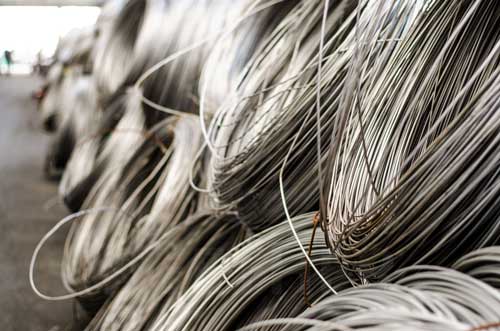
As a professional superalloy supplier, we manufacture high performance Inconel X-750 (UNS N07750) wire.
Inconel X-750 is a high strength precipitation strengthened superalloy. Compared to Inconel 718, Inconel X-750 can work at higher temperatures. Inconel X-750 also has excellent high temperature oxidation resistance.
We manufacture Inconel X-750 wire strictly to SAE AMS 5698 and SAE AMS 5699 standards. Among them, the SAE AMS 5698 standard specifies the delivery status of solution treatment and aging treatment. SAE AMS 5699 is the specific standard for Inconel X-750 spring wire. In addition to the standard, we can also customize the tensile strength of the wire according to your requirements.
Chemical Composition of Inconel X-750
S ≤ 0.010%
Si ≤ 0.50%
C ≤ 0.08%
Mn ≤ 1.00%
Co ≤ 1.00%
Nb + Ta: 0.70% ~ 1.20%
Nb + Ta: 0.70% ~ 1.20%
Al: 0.40% ~ 1.00%
Ti: 2.25% ~ 2.75%
Cu ≤ 0.50%
Fe: 5.0% ~ 9.0%
Cr: 14.0% ~ 17.0%
Ni ≥ 70.0%
*Chemical Composition According to ASTM B637
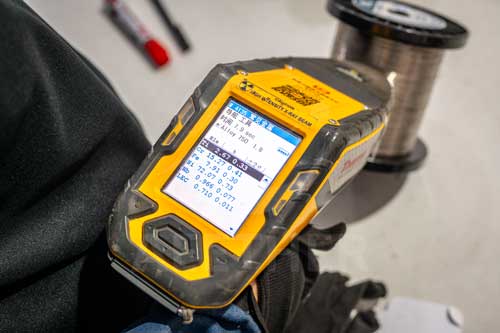
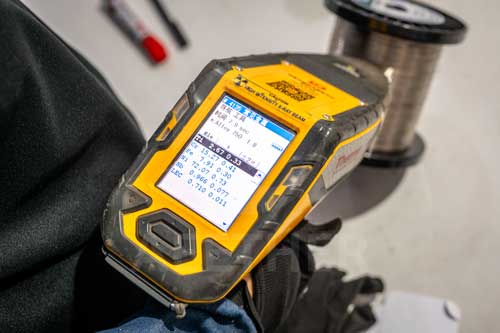
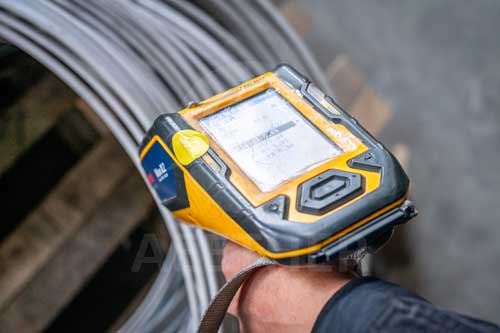
Compared with Inconel 718, Inconel X-750 has a higher nickel content, which makes it have better high temperature resistance. At the same time, Inconel X-750 mainly uses aluminum and titanium for precipitation strengthening, which gives it higher strength at high temperatures. Supplier shall perform chemical analysis of Inconel X-750 in accordance with SAE AMS 2269.
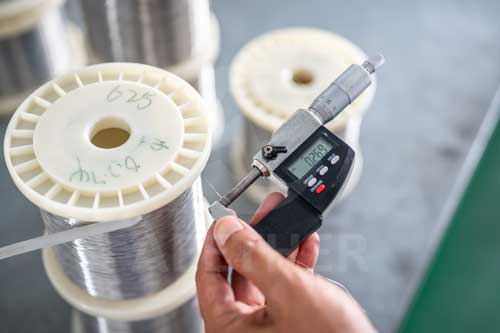
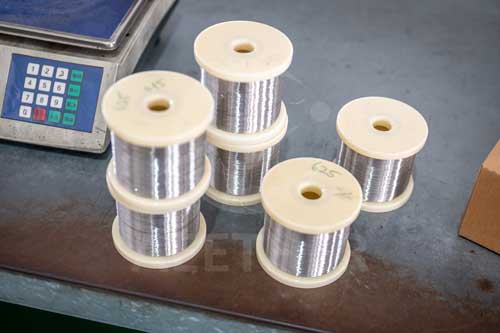
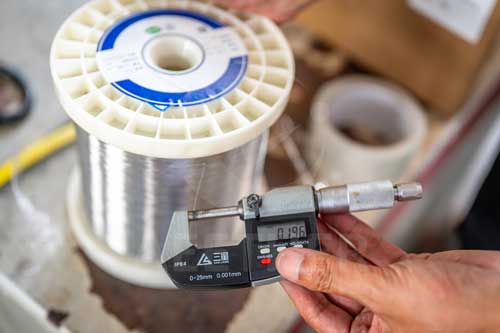
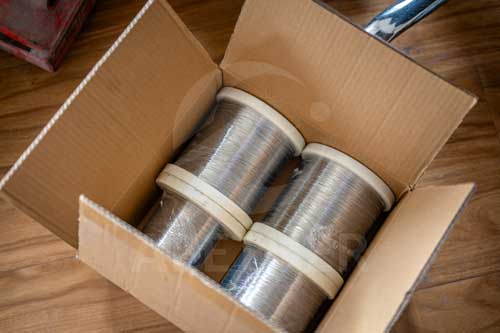
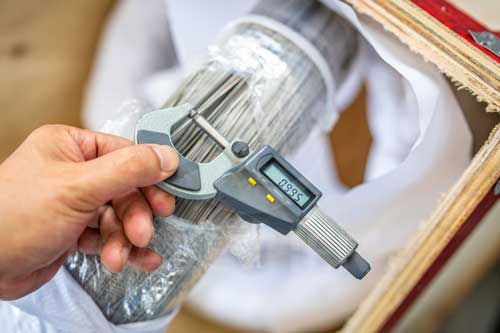
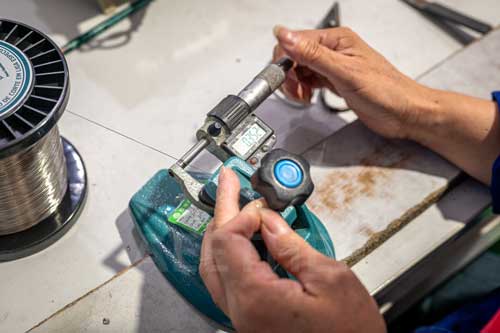
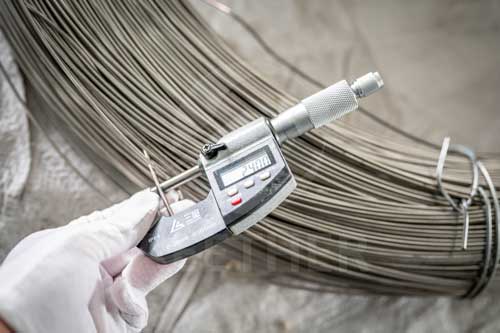
Customized Dimensions
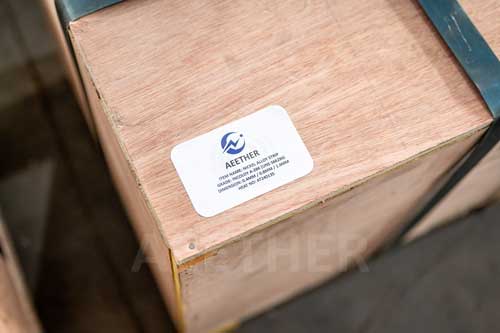
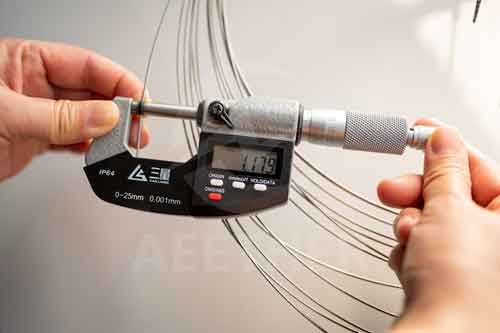
High precision Tolerance Available
*Customized size please confirm with us
Standards for Inconel X-750 Wire
*As a professional manufacturer, our default standard for Inconel X-750 wire is ASTM B637. We can also produce according to other standards as per you required.
Try our Premium Products

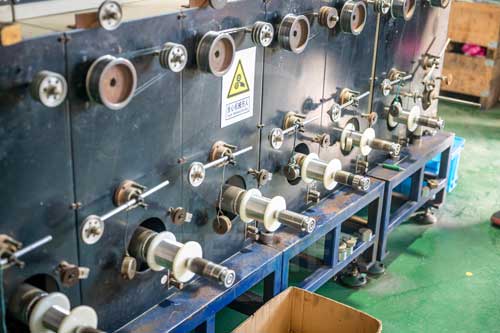
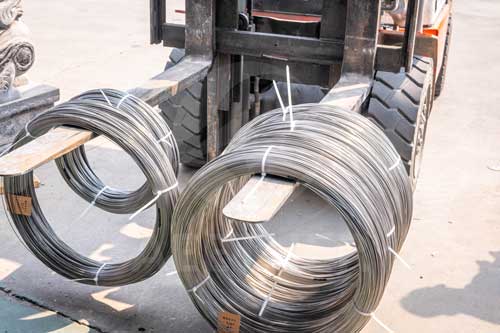
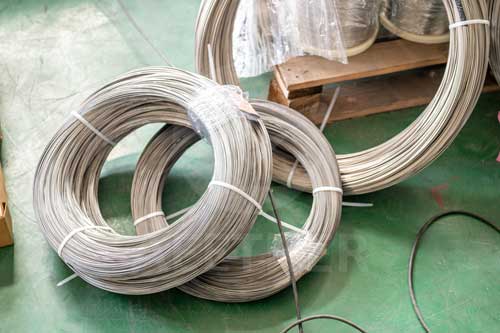
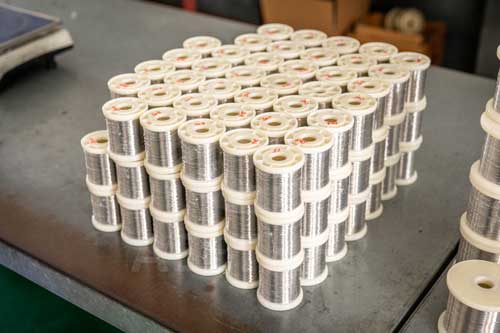
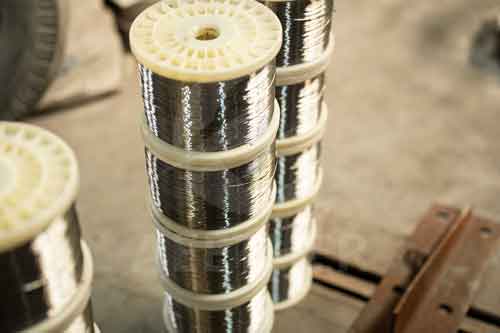

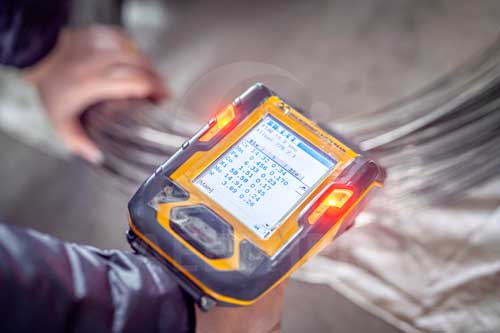
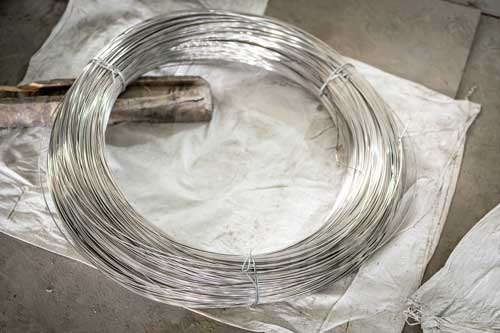
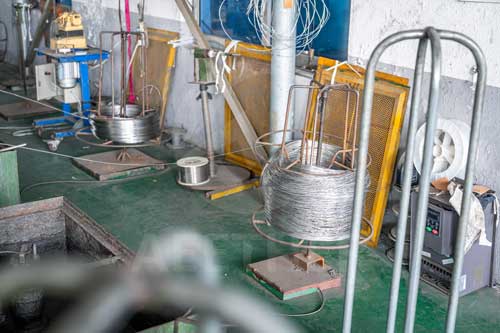
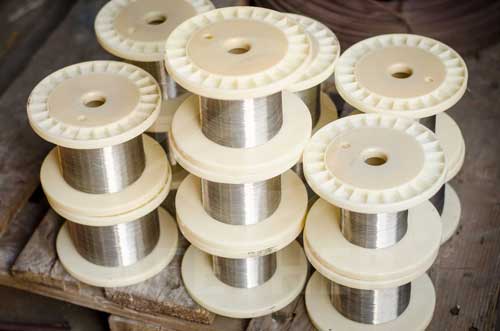
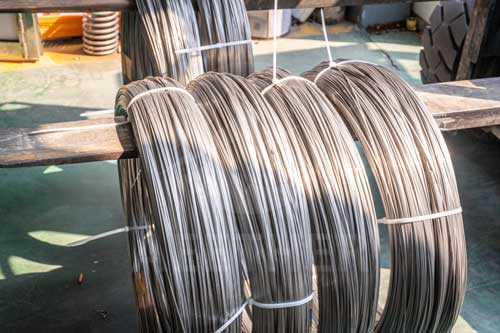
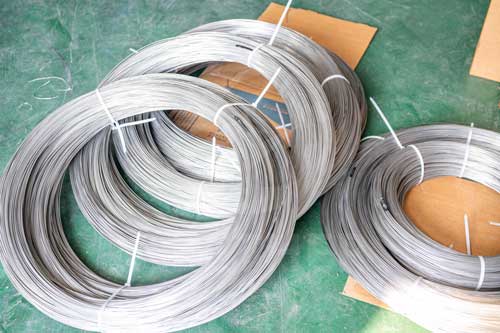
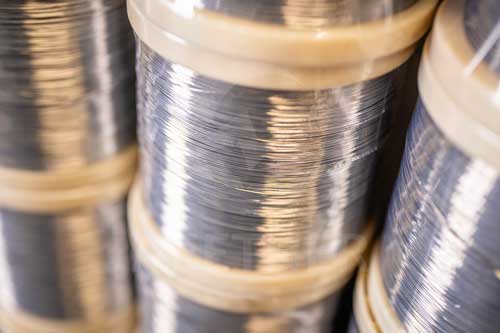
Two Forms to be Customized
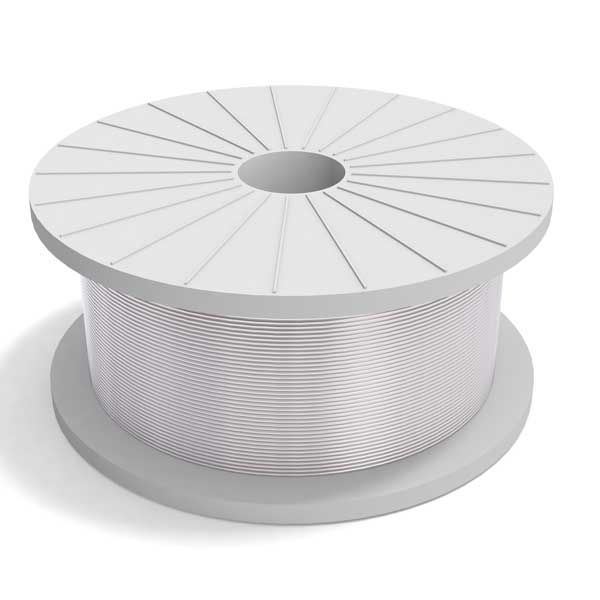
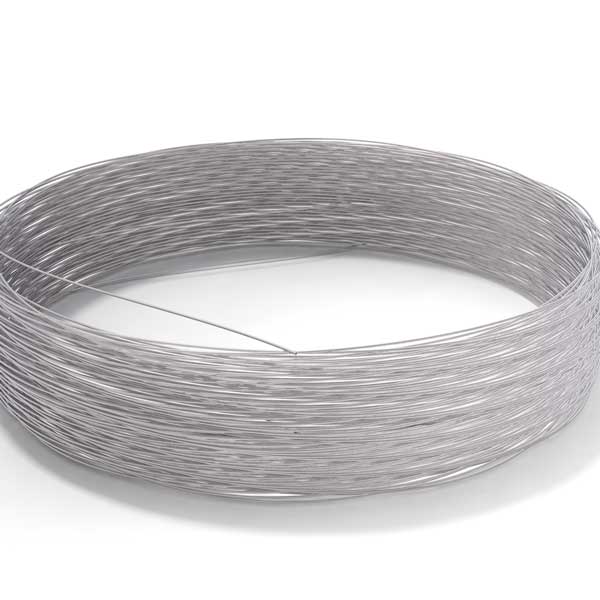
Data Sheet
Physical Properties
| Density | g/cm3 | 8.28 | |
|---|---|---|---|
| lb/in.3 | 0.299 | ||
| Melting Range | °F | 2540 - 2600 | |
| °C | 1393 - 1427 | ||
Mechanical Properties
| Condition & Size | Tensile Strength | Yield Strength (0.2% Offset) | Elongation | Reduction of Area | Hardness |
|---|---|---|---|---|---|
| MPa, min | MPa, min | %, min | %, min | HB | |
| All | 1103-1276 | ... | ... | ... | ... |
*Mechanical Properties According to ASTM B637
FAQ
Are Inconel X-750 and Inconel 718 substitutes for each other?

No. X-750 does not contain molybdenum and has a lower chromium content than 718, therefore its corrosion resistance is relatively weaker. However, it has a higher nickel content and better high-temperature performance. The two alloys are suitable for different applications and cannot be simply substituted.
Do you provide spring wire?
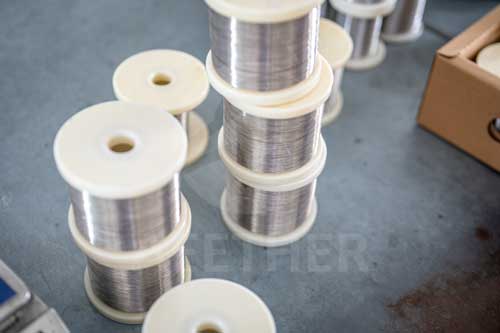
Yes, we can provide spring wire. We can even customize spring wire according to your required tensile strength. If you can specify whether your finished product is a tension spring or a compression spring, we can further optimize the performance of the spring wire for you.
Can you package the product according to the requirements of a steel spool?

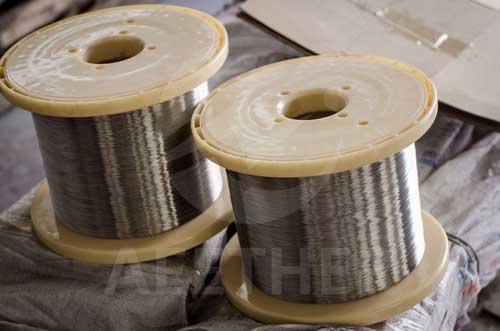
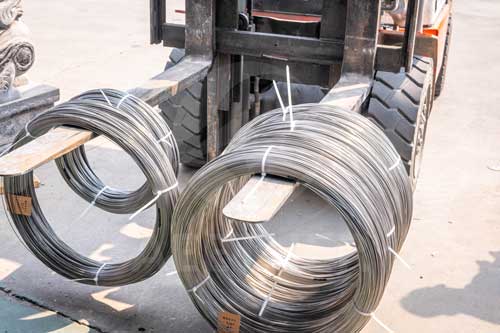
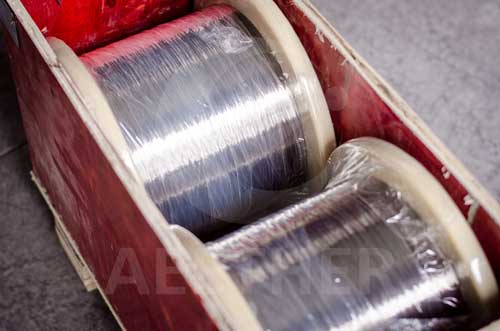
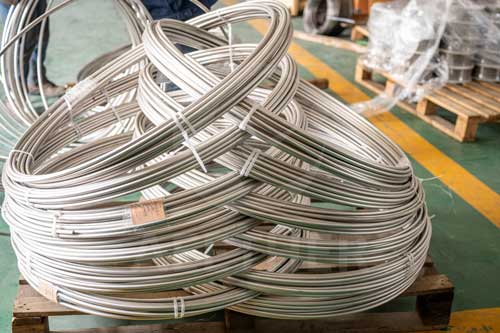
Yes. We can customize steel spools for wire packaging according to your specific dimensions or engineering drawings. Steel spool packaging is a non-standard customization service, so a minimum order quantity is usually required. Our standard packaging methods are bulk coils or plastic spools. If you require steel spool packaging, please provide detailed dimensions or drawings when placing your order.
What's the difference between wire and wire rod?
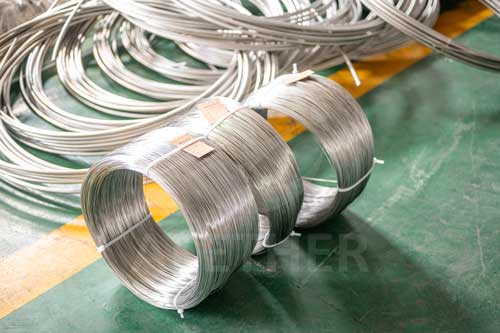
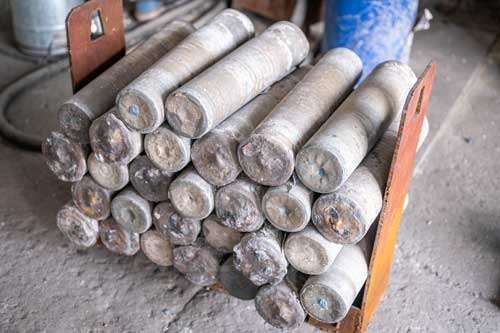
Wire rod, as raw material, is first hot-rolled and then cold-drawn into wire. This results in wire rod having a larger diameter, while wire has a smaller diameter. Furthermore, wire can be customized in terms of properties, while wire rod cannot.
What do "soft," "semi-hard," and "hard" states mean for wire rod?
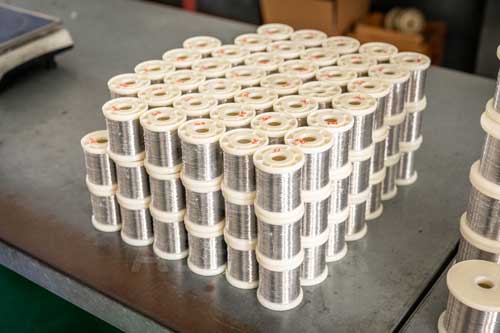
These are common delivery states for wire. Cold-drawn wire has the highest strength, and its tensile strength can be adjusted through different heat treatments. Hard wire has the highest strength, followed by semi-hard wire, and soft wire has the lowest strength.
How does the heat treatment of wire differ from that of ordinary bar stock?

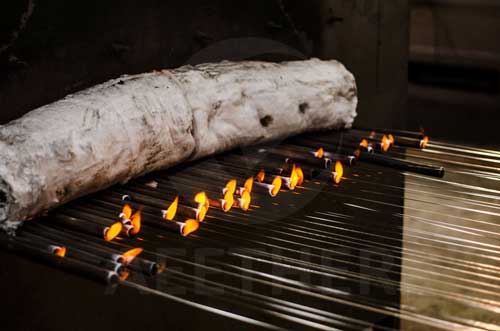
Because wire has a small diameter and continuous length, it is easily oxidized when heated in a conventional furnace, forming a black scale on the surface that is difficult to remove with pickling. Therefore, we use a continuous bright annealing furnace. The furnace chamber is filled with a protective gas (such as hydrogen or ammonia decomposition gas), and the wire is heated and kept at a constant temperature while moving forward, without contact with air throughout the process. The resulting wire has a bright surface and does not require further acid pickling.
Inconel X-750 Applications


Other Informations
Package

Plastic Spool

Plastic Bag

Carton Box

Wooden Case
Logistics

By Sea

By Air
Price Term
Get a Free Quote NOW