
Inconel Alloy 600 (UNS N06600 / W.Nr. 2.4816)Plate

Get a Free Quote NOW
Send Inquiry and Get Our Latest Full Set Data Sheet

Quotation with
Valuable Data Sheet

Ship with MTC Acc.
to EN 10204/3.1

Quick Responce
within 24 Hours

Complete
Solution Treatment

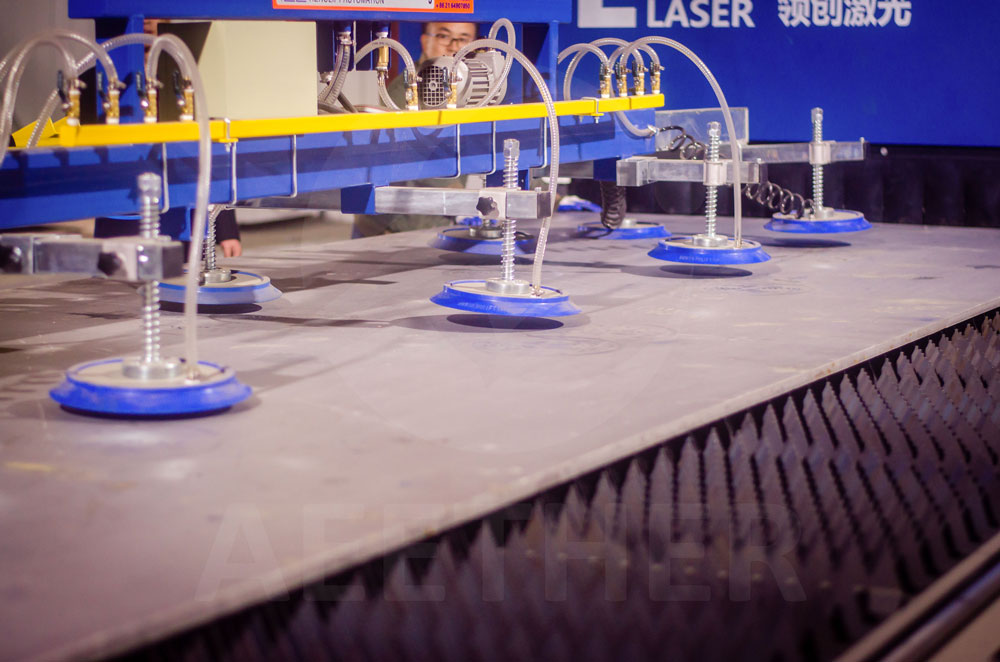
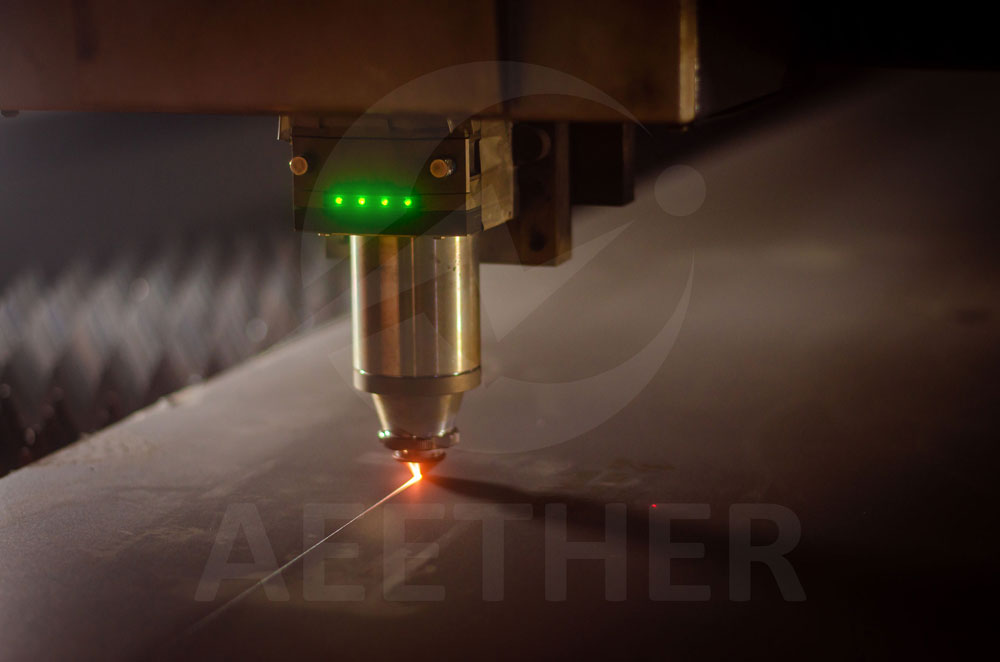
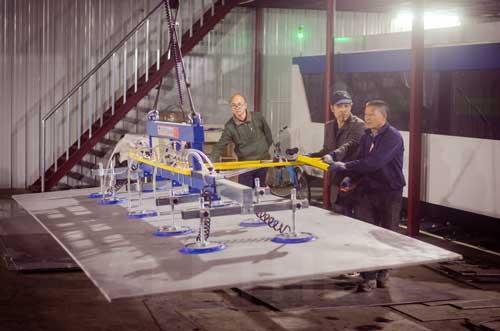
Laser / Water Jet
Cutting Available

High Temperature
Corrosion Resistance
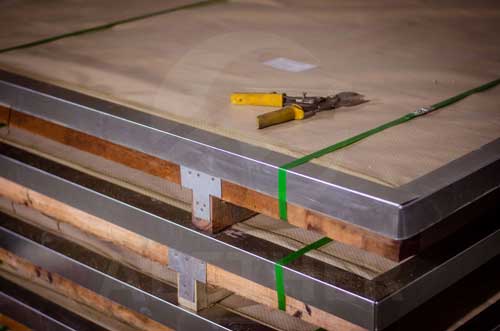
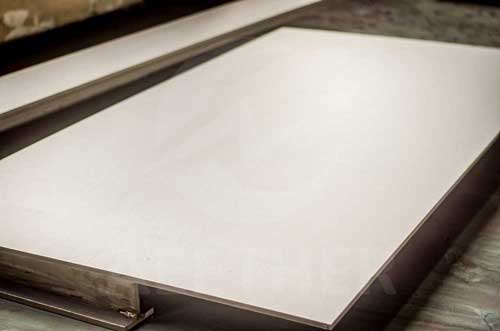
Inconel 600 Plate Supplier
Inconel 600 is a nickel-based alloy. It has excellent corrosion resistance, high temperature resistance and excellent mechanical properties. It is one of the most commonly used superalloy materials. Inconel 600 can be used in various high temperature industrial applications such as aerospace, chemical processing, nuclear industry, oil and gas extraction, etc.
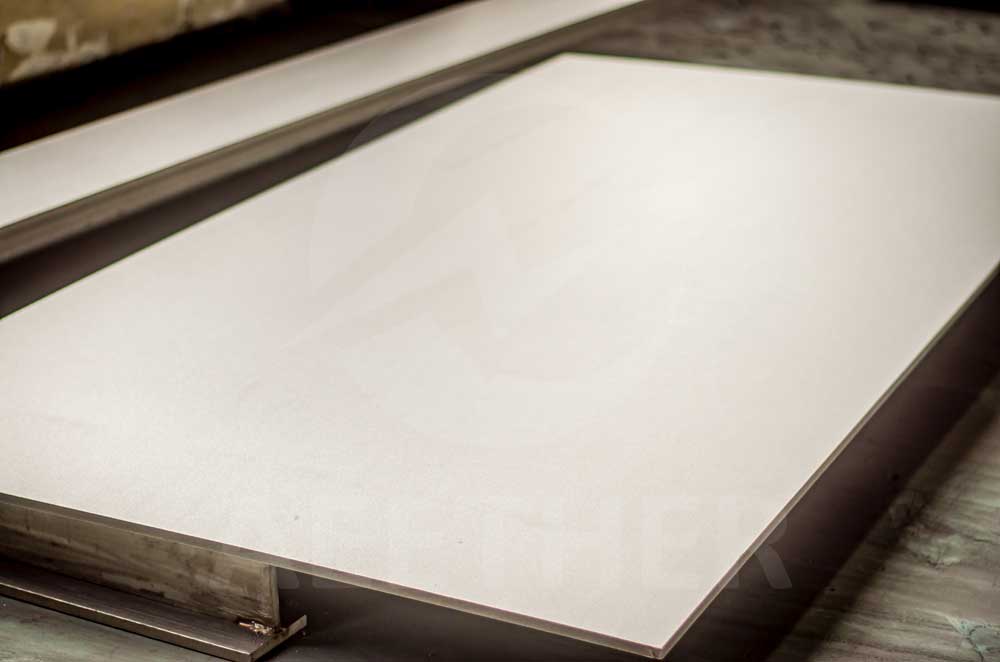
Inconel 600 plate is a form of Inconel 600. It has greater thickness and higher strength, and it is suitable for use in large-sized parts such as containers. As a trusted superalloy supplier, we produce Inconel 600 plate in strict accordance with ASTM B168 standard. We supply flat, high-precision materials in various sizes according to the standard. You can confirm with us any needs.
Chemical Composition of Inconel 600
S ≤ 0.015%
Si ≤ 0.50%
C ≤ 0.15%
Mn ≤ 1.00%
Cu ≤ 0.50%
Fe: 6.0% ~ 10.0%
Cr: 14.0% ~ 17.0%
Ni ≥ 72.0%
*Chemical Composition According to ASTM B168
The main components of Inconel 600 are nickel, chromium and iron. The nickel element brings excellent structural stability to the alloy. Chromium can form an oxide layer on the surface of the alloy to protect the alloy. Most of the excellent high temperature oxidation resistance of Inconel 600 comes from these two elements.
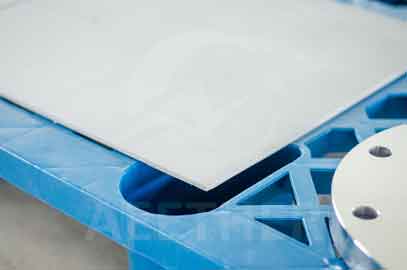
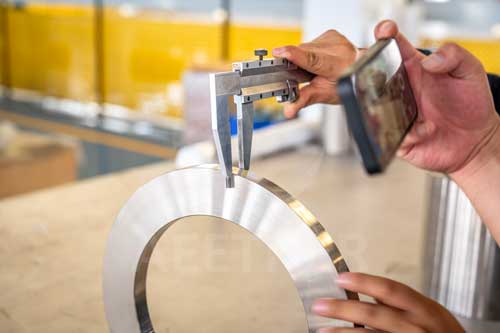
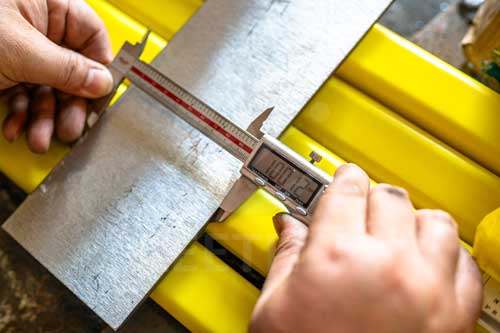


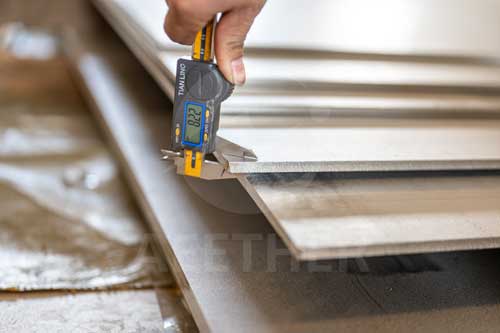
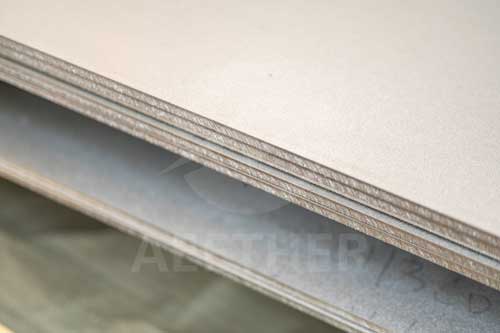
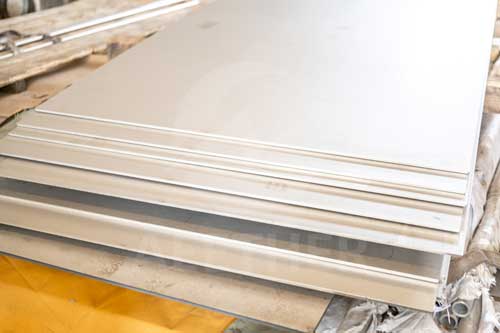
Customized Dimensions
Tolerance according to ASTM B906
*Customized size please confirm with us
Standards for Inconel 600 Plate
*We will strictly produce Inconel 600 Plate according to the standard
Try our Premium Products

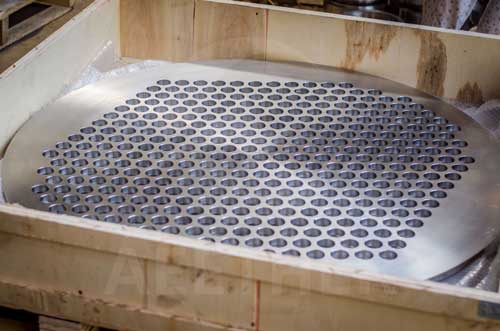
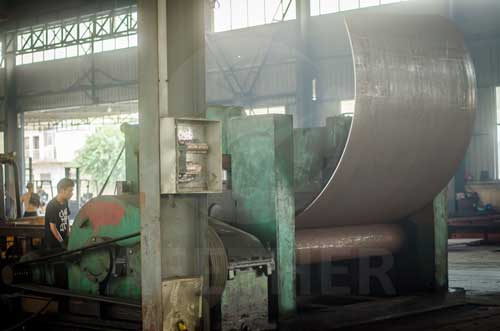

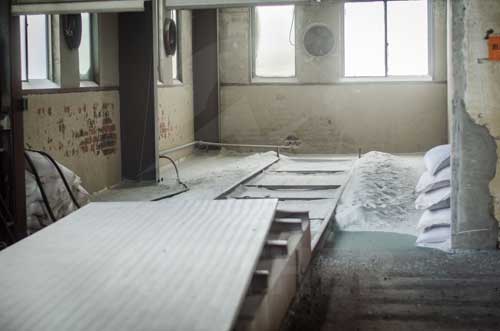
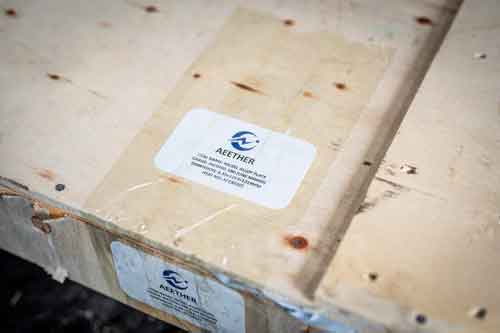
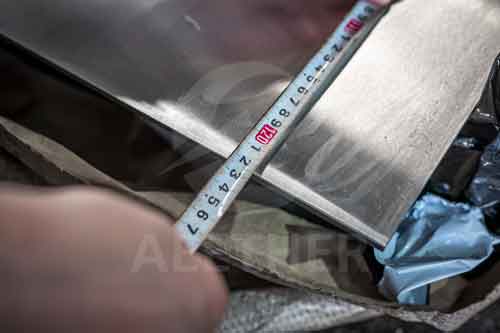
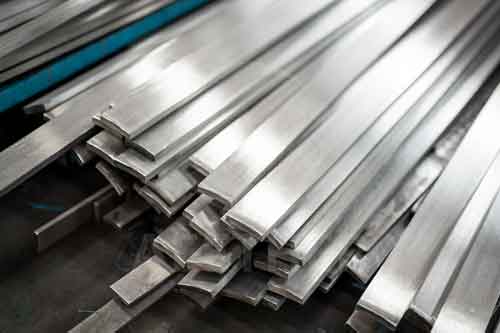
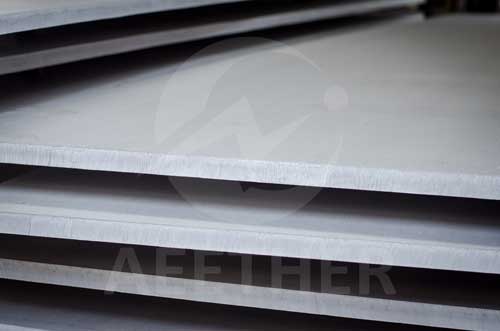
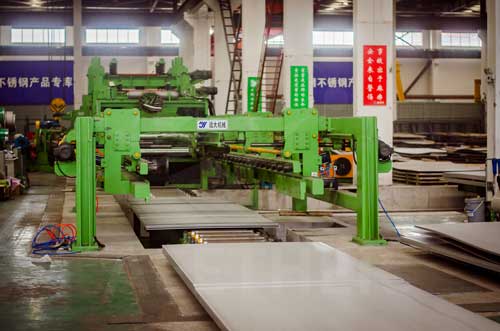
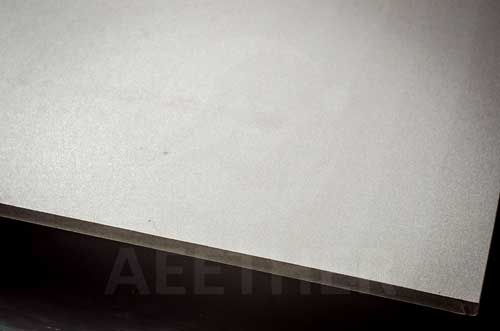
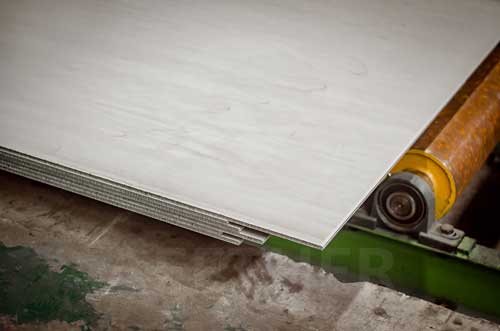
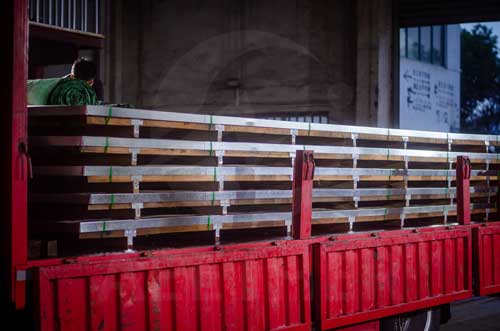
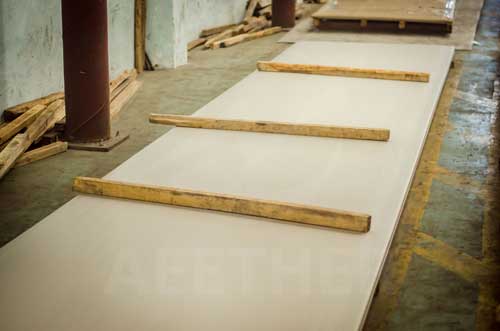
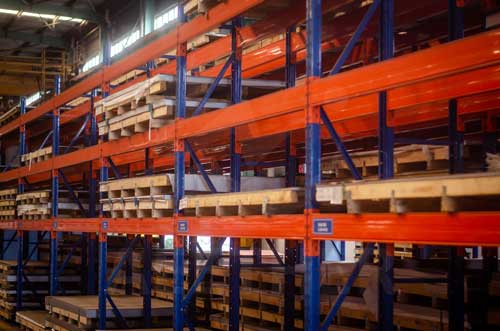
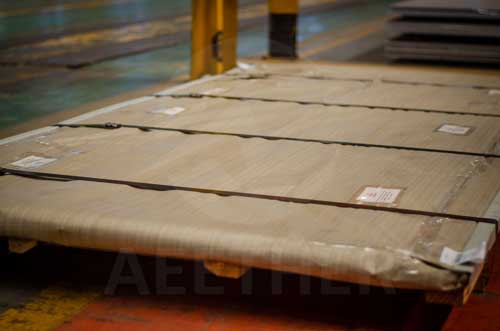
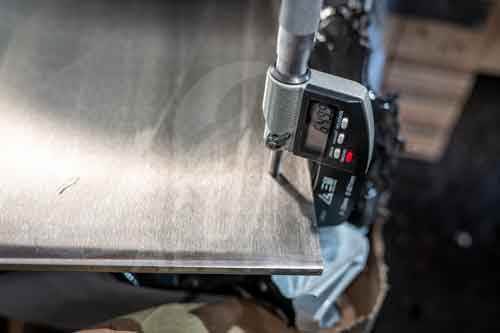
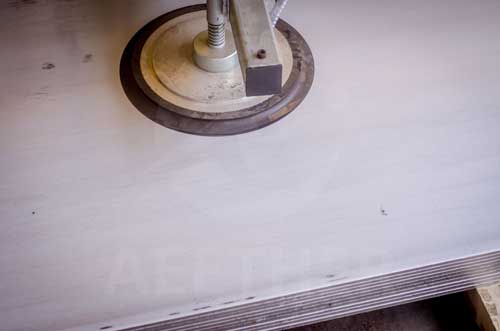
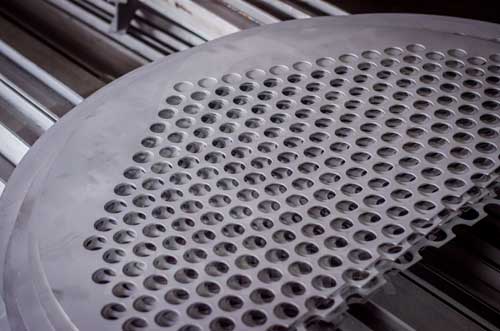
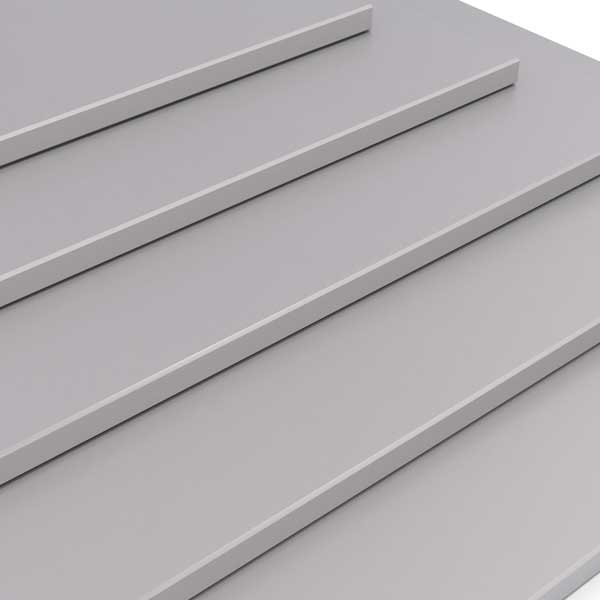
Surface
Data Sheet
Physical Properties
| Density | g/cm3 | 8.47 | |
|---|---|---|---|
| lb/in.3 | 0.306 | ||
| Melting Range | °F | 2470 - 2575 | |
| °C | 1354 - 1413 | ||
Mechanical Properties
| Condition & Size | Tensile Strength | Yield Strength (0.2% Offset) | Elongation | Reduction of Area | Hardness |
|---|---|---|---|---|---|
| MPa, min | MPa, min | %, min | %, min | Rockwell B | |
| Annealed | 550 | 240 | 30 | ... | ... |
*Mechanical Properties According to ASTM B168
FAQ
Why were nickel and chromium chosen as the primary elements in Inconel 600?

Nickel provides the alloy with structural stability at both room temperature and high temperatures, while also imparting excellent ductility. Chromium effectively protects the alloy from corrosion by forming an oxide film with oxygen.
Can plates undergo ultrasonic testing?
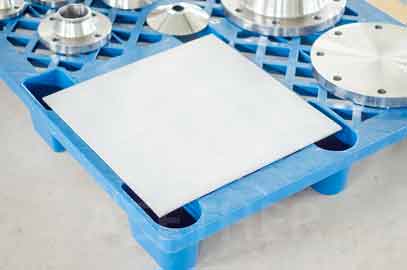
In standard production processes, we primarily perform ultrasonic testing on billets to detect internal defects such as cracks, porosity, or inclusions. For finished plates that have already been rolled into shape, the large planar dimensions significantly increase the difficulty of ultrasonic testing. The probe’s scanning coverage is extensive, edge effects are pronounced, and the results are easily influenced by the plate’s shape and surface condition. However, if the width and length of the plates you require are within a relatively small range (e.g., width less than 500 mm and length less than 1000 mm), ultrasonic testing remains feasible. In such cases, we can perform ultrasonic testing on the finished plates according to your requirements and issue the corresponding inspection report.
What are the common methods for cutting plates?
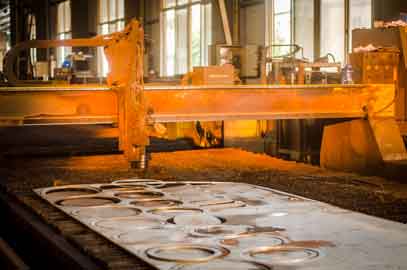
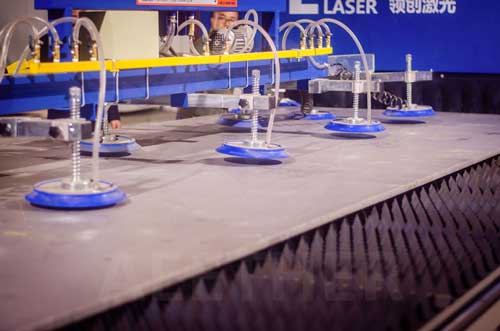
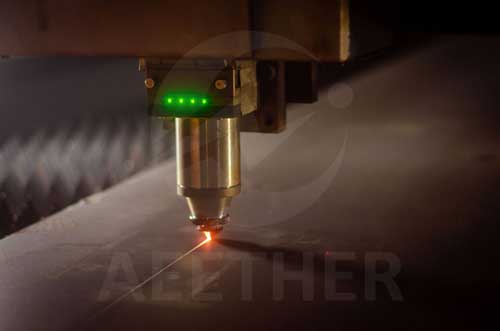
The primary methods for plate cutting include plasma cutting, laser cutting, and waterjet cutting. Plasma cutting offers the highest efficiency but generally produces average results; laser cutting delivers good results at a moderate speed, making it the most commonly used method; waterjet cutting provides the best results but is relatively more expensive.
Can you supply plates from manufacturers other than your own brand?
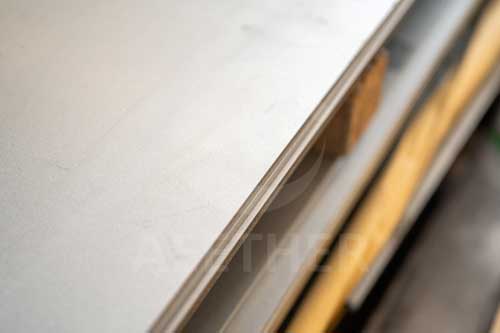
Yes. We have the capability to supply plates from other brands, including plates from other domestic manufacturers in China as well as well-known imported brands. It should be noted that this supply is limited to standard dimensions (such as common thicknesses, widths, and lengths), and there are certain requirements regarding purchase quantities. Typically, a minimum order quantity must be met to allow us to conduct centralized procurement and manage costs effectively.
What does annealing mean?
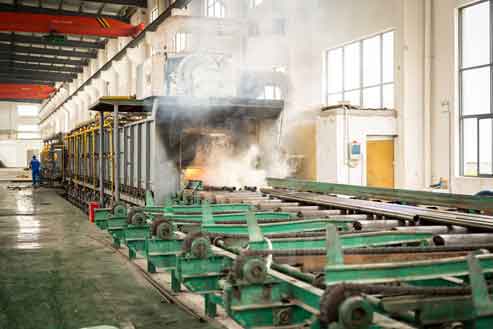
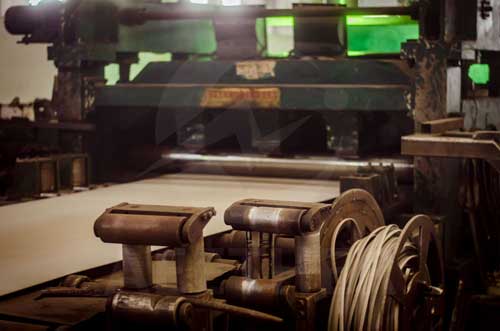
Annealing is a heat treatment process that involves heating the material to a specific temperature, holding it at that temperature for a certain period, and then cooling it at a controlled rate, with specific parameters depending on the material’s dimensions. The purpose is to soften the material, thereby improving its ductility.
What is shot blasting?
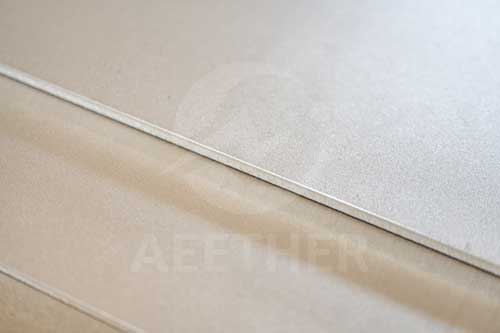
Shot blasting is a surface treatment process that uses a blasting wheel to propel fine, hard particles at high speed onto the material’s surface. After shot blasting, the surface develops a refined, matte finish, making it suitable for applications with high requirements for surface quality.
Inconel 600 Applications


Other Informations
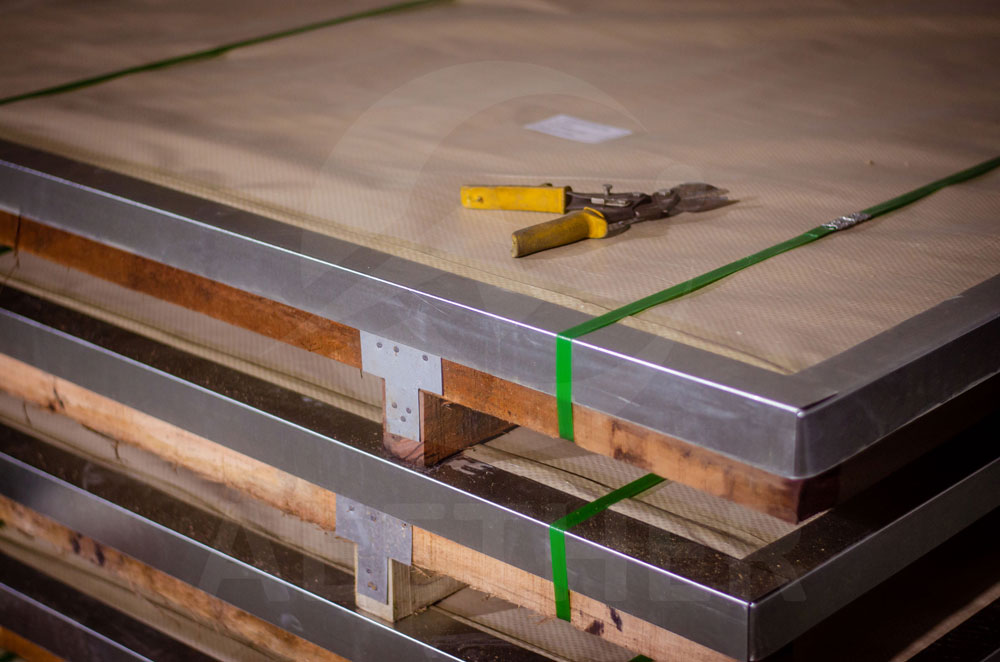
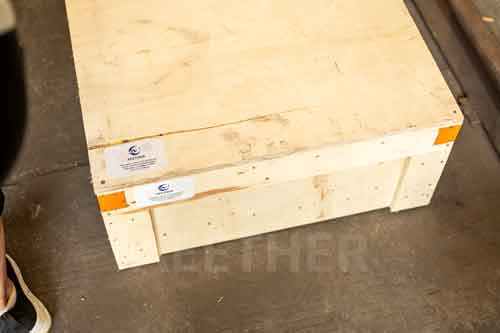
Package

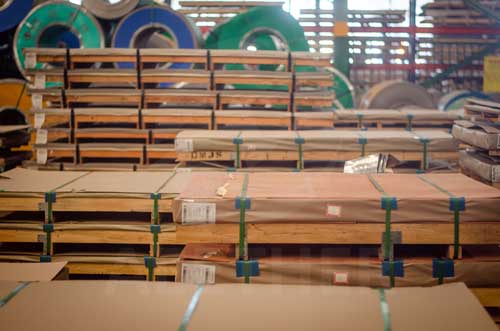
Brown Paper

Wooden Pallet
Logistics

By Sea

By Air
Price Term
Get a Free Quote NOW