
Incoloy Alloy 925 (UNS N09925)Round Bar & Rod
- AEETHER
- Incoloy Alloy 925 Bars
- Round Bar & Rod

Get a Free Quote NOW
Send Inquiry and Get Our Latest Full Set Data Sheet

Quotation with
Valuable Data Sheet

Ship with MTC Acc.
to EN 10204/3.1

Quick Responce
within 24 Hours

Complete
Aging Treatment

High Precision
Process Available

Excellent Strength &
Corrosion Resistance
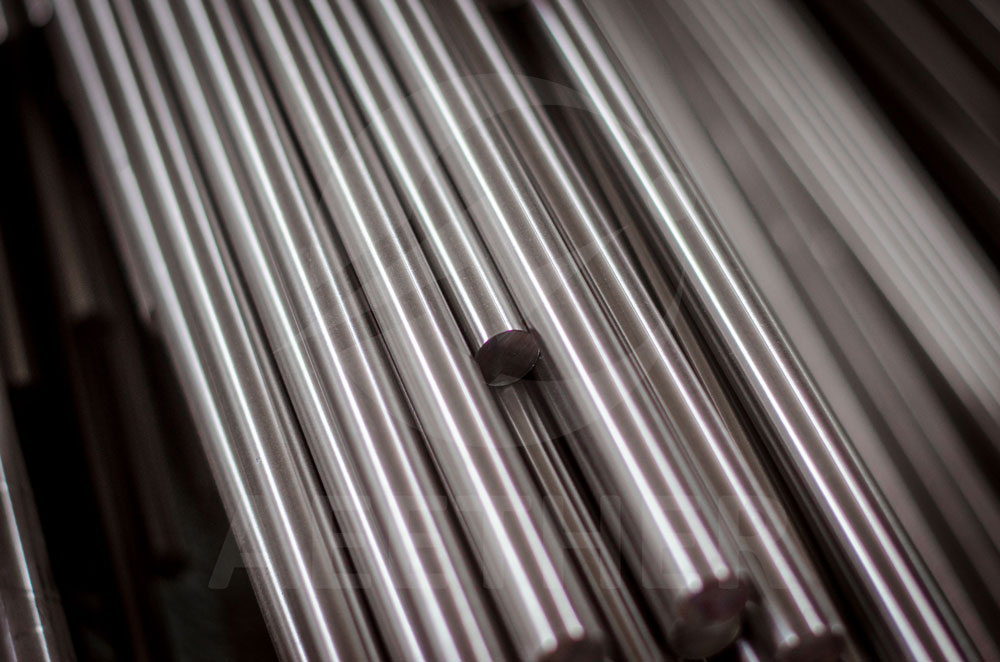
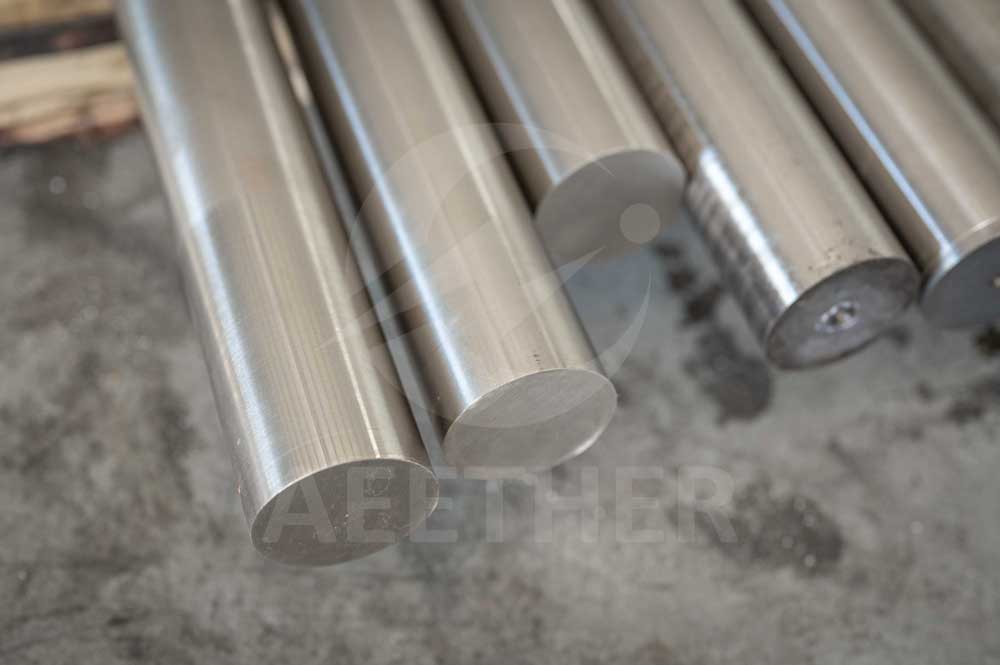
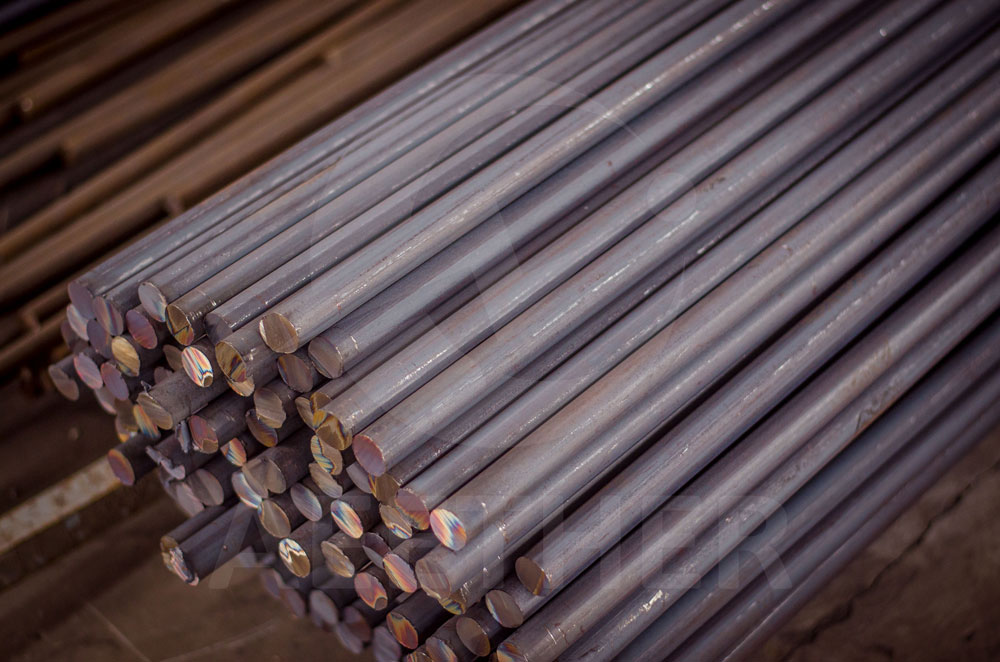
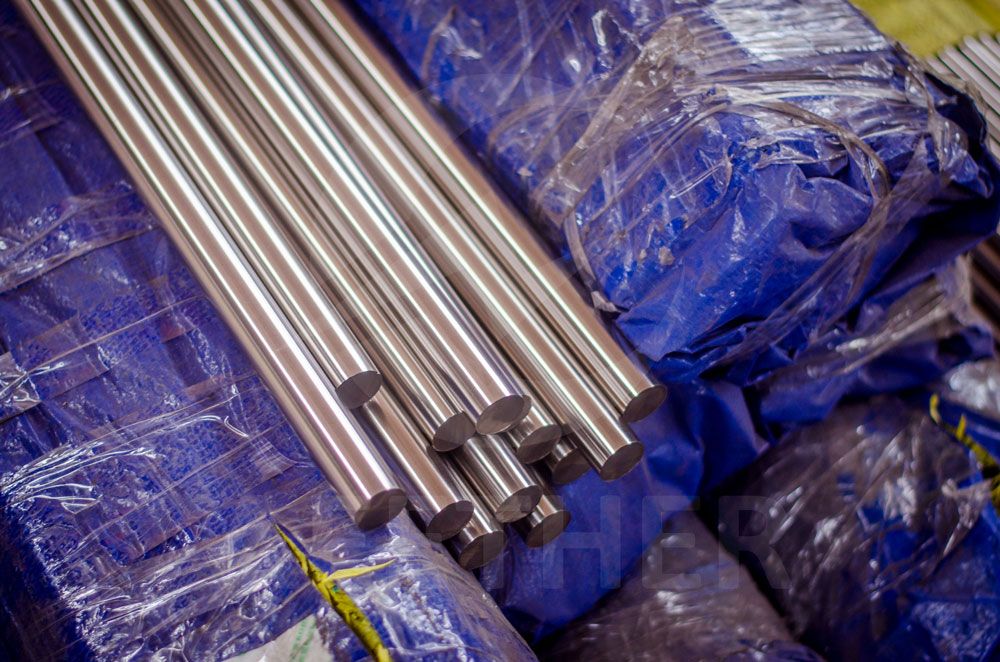
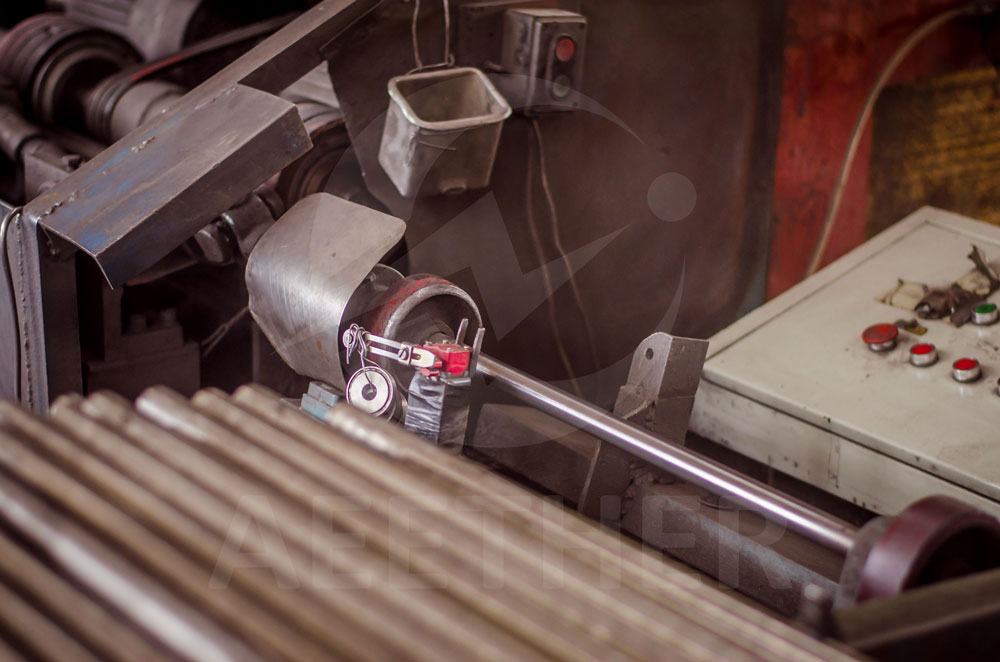
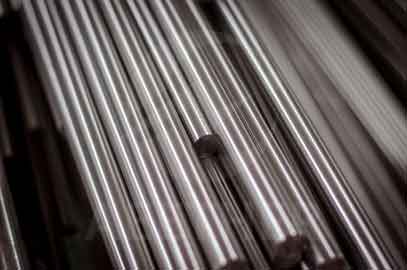
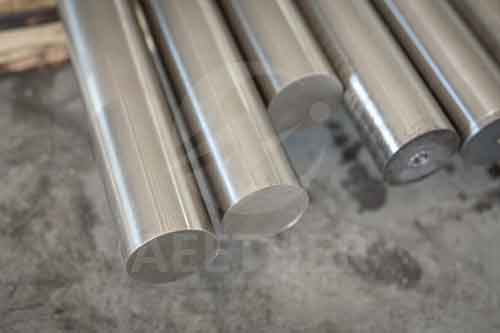
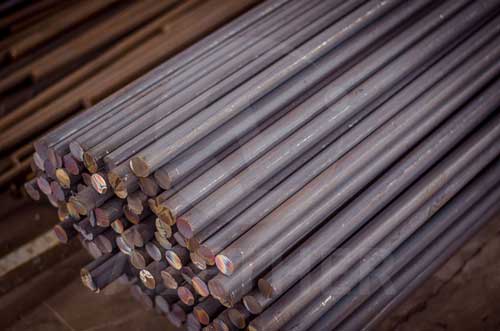
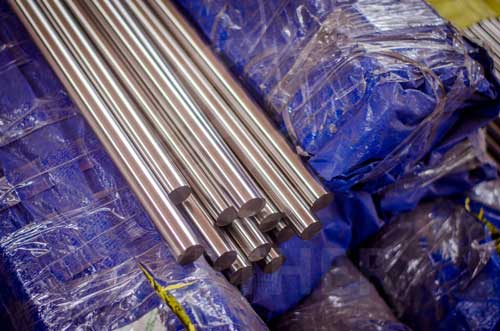
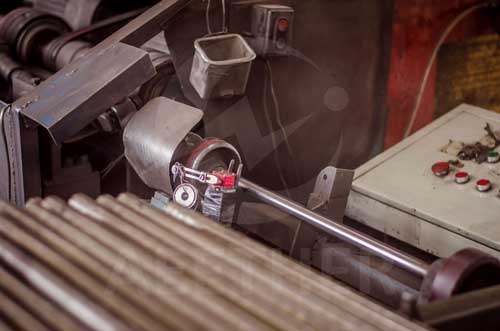
Incoloy 925 Round Bar & Rod Supplier
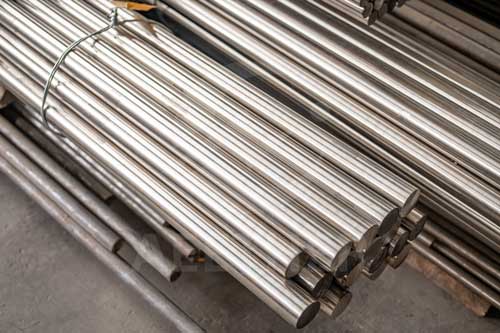
As a leading supplier of superalloys in China, we produce Incoloy 925 round bars & rods in various specifications.
Incoloy 925 is a nickel-based alloy material with high strength and high corrosion resistance. It is mainly composed of elements such as nickel, chromium, iron, titanium and aluminum. It excels in high temperature, high pressure and highly corrosive environments.
We manufacture Incoloy 925 round bars & rods according to ASTM B637 standard. Incoloy 925 round bar & rod has excellent mechanical properties. It has high ductility and high fatigue strength. Under high temperature conditions, Incoloy 925 round bars & rods can still maintain good mechanical properties and creep resistance. In addition, it has excellent wear resistance and stress corrosion cracking resistance, which can maintain a long service life in harsh working environments.
Chemical Composition of Incoloy 925
S ≤ 0.030%
Si ≤ 0.50%
C ≤ 0.03%
Mn ≤ 1.00%
P ≤ 0.030%
Nb ≤ 0.50%
Al: 0.10% ~ 0.50%
Ti: 1.90% ~ 2.40%
Cu: 1.50% ~ 3.00%
Fe ≥ 22.0%
Mo: 2.5% ~ 3.5%
Cr: 19.5% ~ 22.5%
Ni: 42.0% ~ 46.0%
*Chemical Composition According to ASTM B637
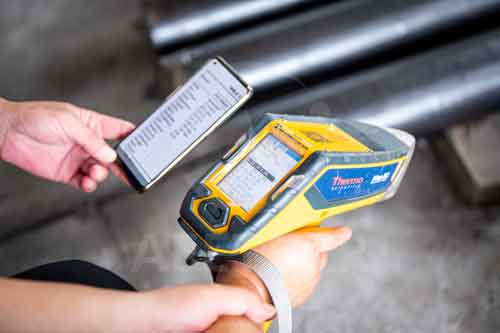
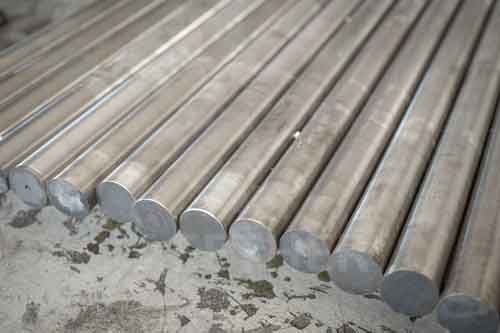
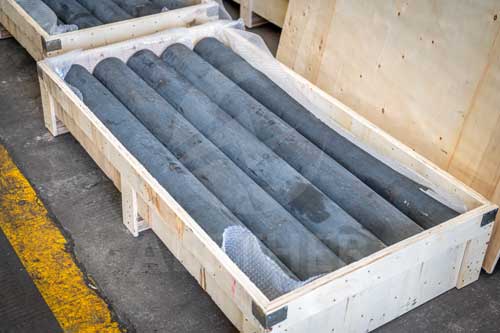
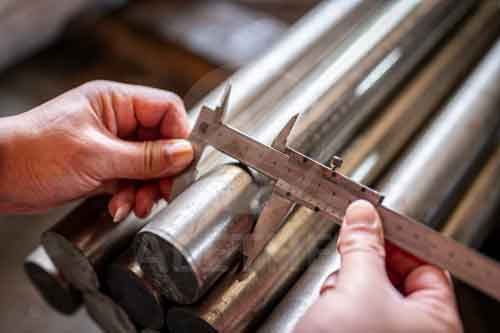
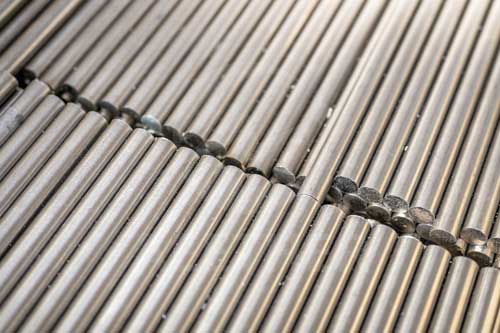
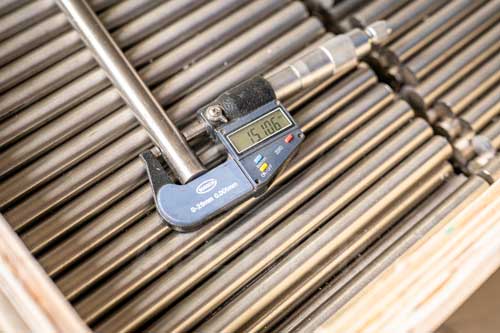
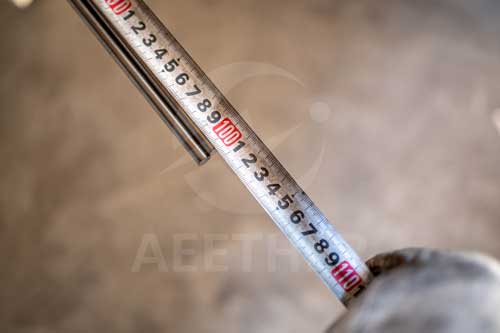
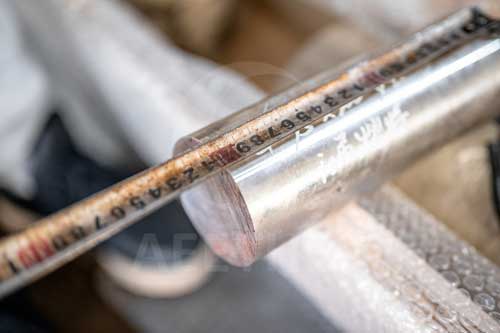
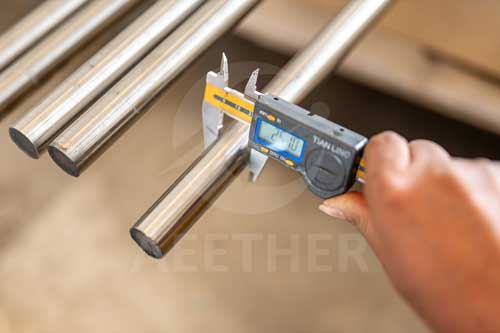
Customized Dimensions
h9 / h11 Tolerance Available
*Customized size please confirm with us
Standards for Incoloy 925 Round Bar & Rod
*As a professional manufacturer, our default standard for Incoloy 925 round bar & rod is ASTM B637. We can also produce according to other standards as per you required.
Try our Premium Products
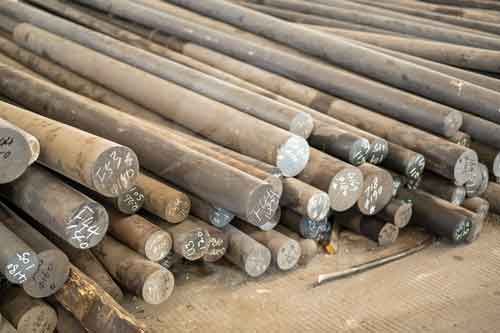
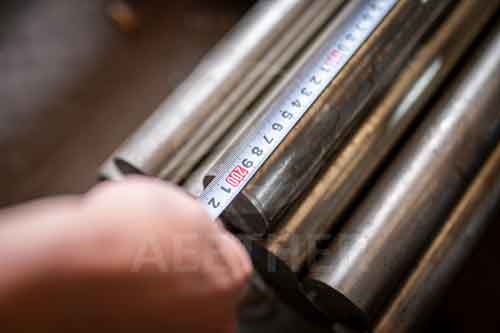
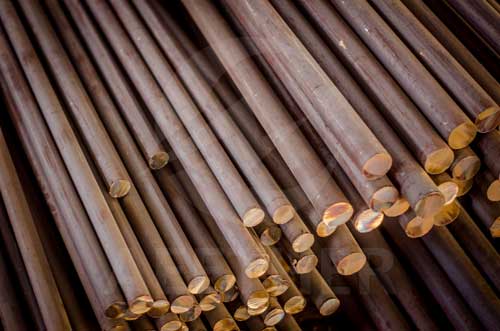
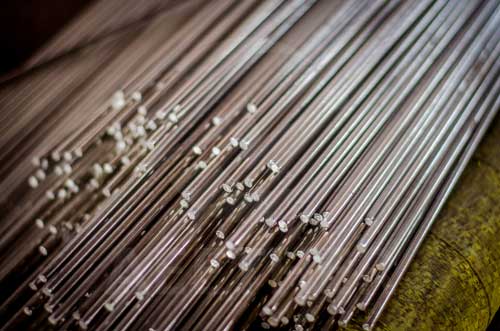
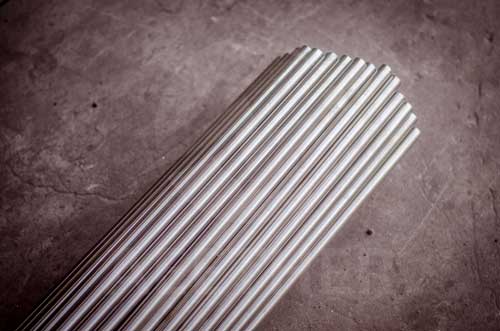
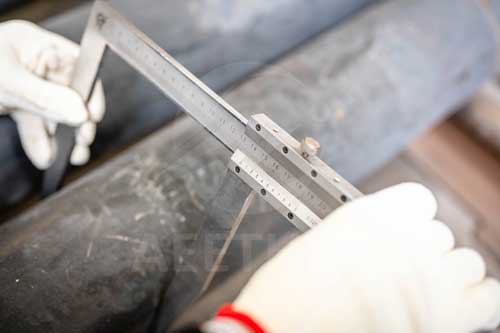
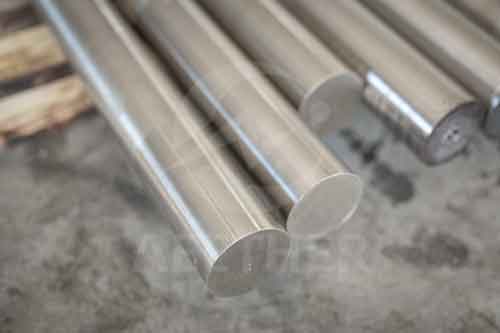
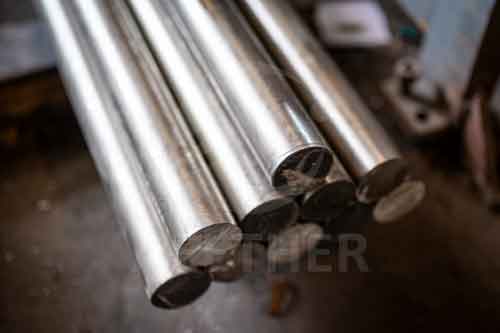
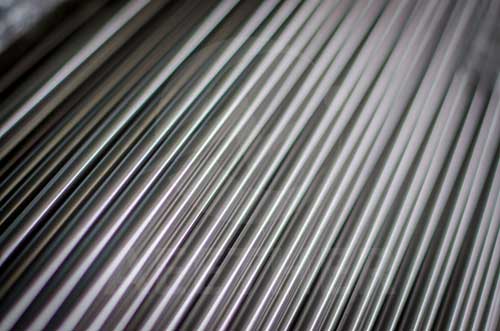
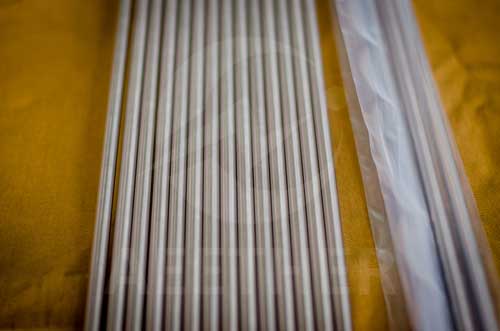
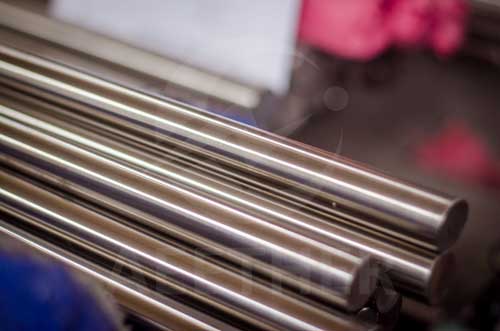

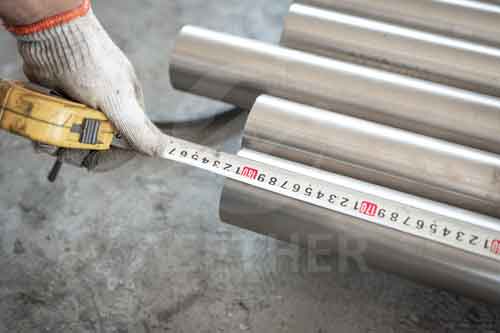
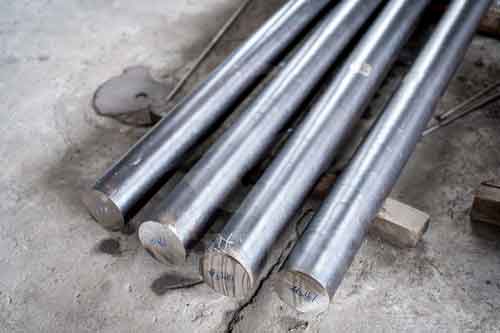
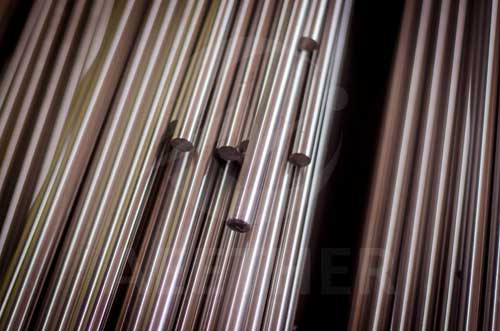
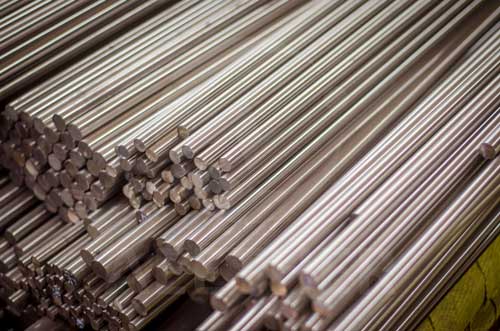
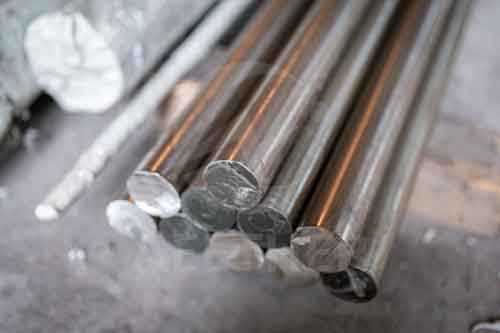
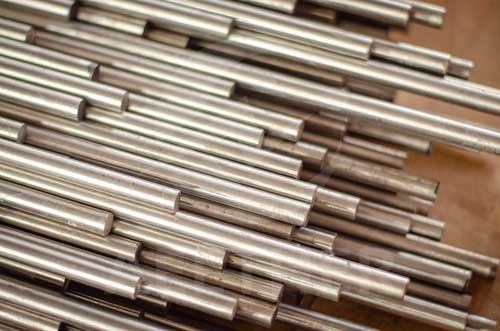
Surface to be Customized
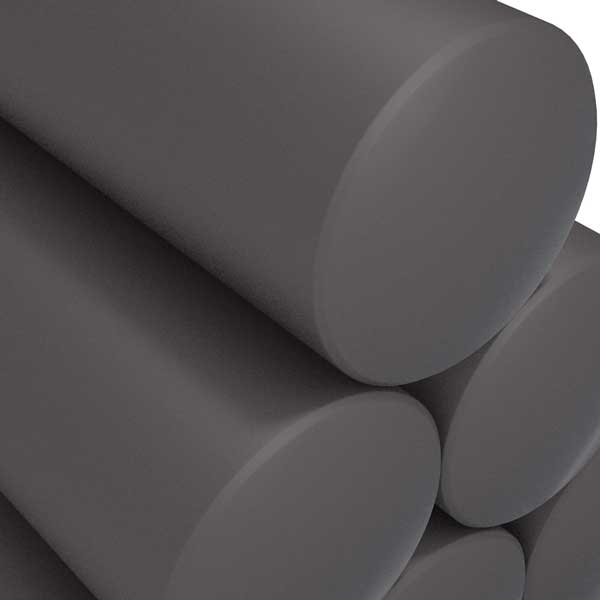
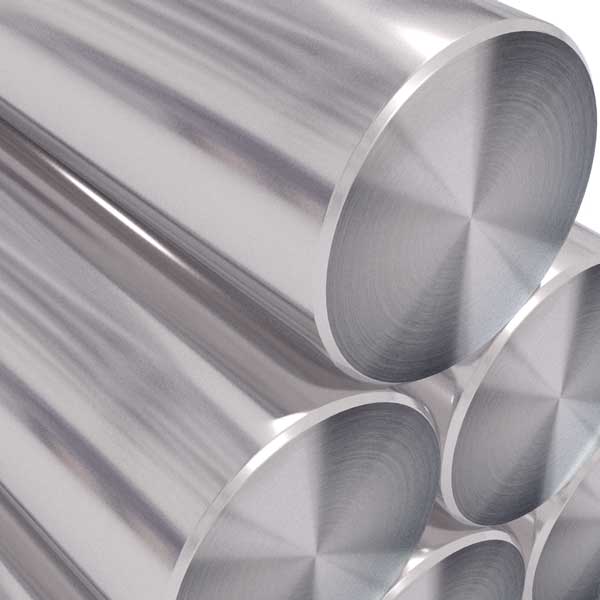
Data Sheet
Physical Properties
| Density | g/cm3 | 8.08 | |
|---|---|---|---|
| lb/in.3 | 0.292 | ||
| Melting Range | °F | 2392 - 2490 | |
| °C | 1311 - 1366 | ||
Mechanical Properties
| Condition & Size | Tensile Strength | Yield Strength (0.2% Offset) | Elongation | Reduction of Area | Hardness |
|---|---|---|---|---|---|
| MPa, min | MPa, min | %, min | %, min | Rockwell C, max | |
| Cold worked, solution annealed and aged / 15.9mm to 76.2mm, inclusive | 965 | 724 | 18 | 25 | 38 |
| Hot worked, solution annealed and aged / 25.4mm or over | 965 | 758 | 18 | 25 | 38 |
*Mechanical Properties According to ASTM B637
By default, we complete the delivery of Incoloy 925 round bars & rods in the state of solution treatment and aging treatment. Of course, if you have any other delivery status requirements or mechanical performance requirements, you can always confirm with us.
Our Capacity
Our
Certificates
We hold widely recognized industry certifications such as ISO 9001 and ISO 14001. These certifications demonstrate the quality of our production and compliance with regulations throughout the manufacturing process. Additionally, certifications such as EN 9100 showcase our commitment to product quality in specific sectors, including aerospace.

ISO
9001

ISO
14001

ISO
45001

EN
9100
Customers
Said
The customers' original words of appreciation in the email communication records are a genuine expression of their feelings, and also the most powerful testament to the high quality of our products and sales services.
0

We are
Trusted by
We have not only supplied products to many well-known companies, but also served as consultants to answer their technical questions. Many prestigious universities have also used our materials in experiments.

SpaceX

General
Electric

Hitachi
Energy

Siemens
Energy

Honeywell

NASA

Safran

Total
Energies

Baker
Hughes

LG
Electronics

Stanford
University

University
of Oxford

Columbia
University

University
of Michigan

University
of Washington

Washington State
University

University
of Texas at Austin

Texas Tech
University

University
of Florida

University
of Illinois
FAQ
What is the main difference between Incoloy 925 and Incoloy 825?
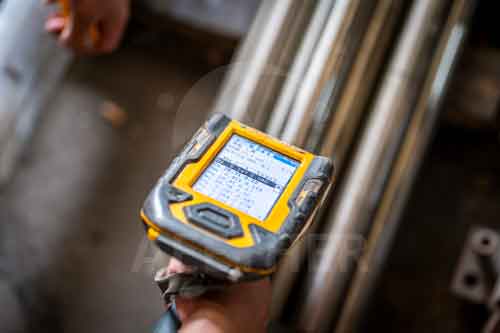
Incoloy 925 can be considered an age-hardening upgrade of Incoloy 825. Its composition is essentially the same as that of 825, but with increased aluminum and titanium content. Age hardening is achieved through aging treatment, resulting in significantly higher tensile and yield strengths.
What is the difference between round bar and rod?
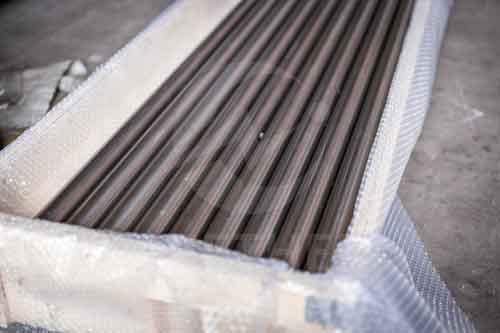
Generally, products with a diameter of 30 mm or greater are called round bar, while those with smaller diameters are called rod. In terms of manufacturing processes, round bar is primarily produced through hot rolling or forging, whereas rod is primarily produced through cold drawing or hot rolling. Additionally, most rods with diameters less than 10 mm are processed from wire rod.
Is round bar produced by hot rolling or forging?
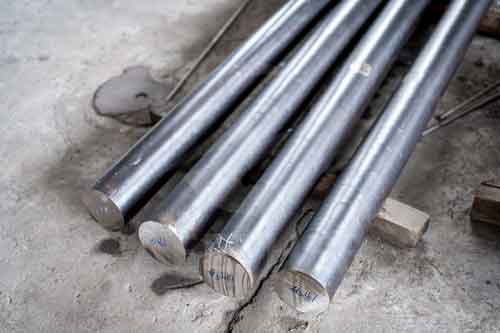
For round bars of medium or smaller diameters (typically less than 100 mm), hot rolling is the mainstream process, ensuring good dimensional tolerances and surface quality. However, when customers specify grain size requirements (such as fine grains or uniform distribution), the forging process cannot be replaced by hot rolling. This is because forging, through repeated hammering, can more effectively break down coarse grains to achieve an isotropic, fine-grained microstructure, thereby improving the material’s fatigue and impact resistance.
What is the difference in roundness between bright round bar and black round bar?
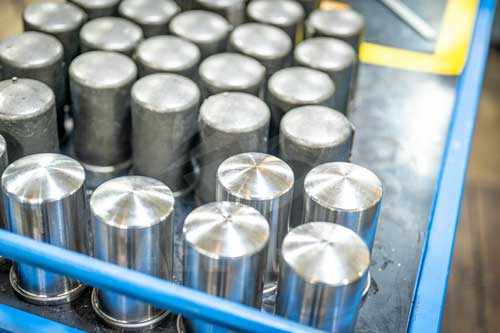
Bright bars have minimal variations in outer diameter, with roundness typically controlled within 0.02 mm. Black bars are in their as-rolled or as-forged condition, with scale on the surface, larger dimensional deviations, and roundness generally exceeding 0.1 mm. Since customers of black bars typically perform turning or grinding operations, the final roundness is determined by subsequent processes. Therefore, we do not consider roundness as a factory control specification for black bars.
Please explain the role of polishing in round bar processing.
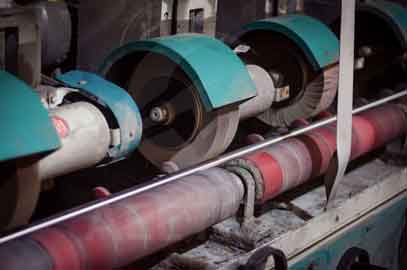
Polishing is a surface finishing process in which a high-hardness grinding wheel rotating at high speed comes into contact with the surface of the round bar, producing grinding and polishing effects that reduce surface roughness and enhance gloss. Its primary functions in round bar production include: removing scale and surface defects left by the hot-rolling process to provide a clean substrate for subsequent processing; it also improves the dimensional consistency of the round bars.
Why are the dimensional tolerances of hot-rolled round bars relatively wide?
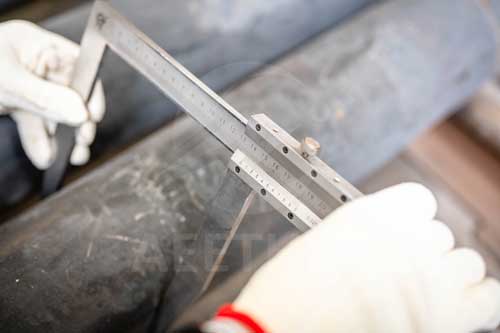
Because metals exhibit good fluidity at high temperatures. Temperature fluctuations during rolling, elastic deformation of the rollers, and uneven cooling can all lead to dimensional variations. Furthermore, shrinkage deformation occurs during the cooling process after hot rolling, further affecting the final dimensions. However, these tolerances are generally within the normal range and are sufficient for structural materials that do not require precise fits. If the round bars are to be machined into shaft-type parts later, customers can correct the dimensions through turning or grinding.
Incoloy 925 Applications


Other Informations
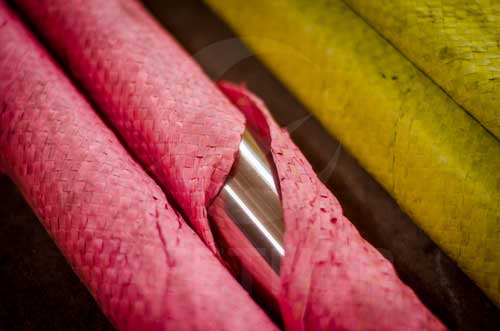
Package

Plastic Bag

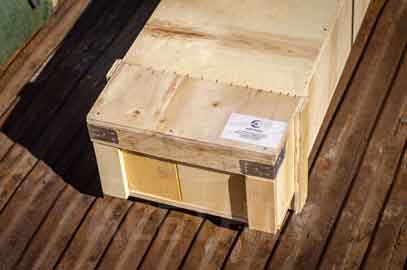
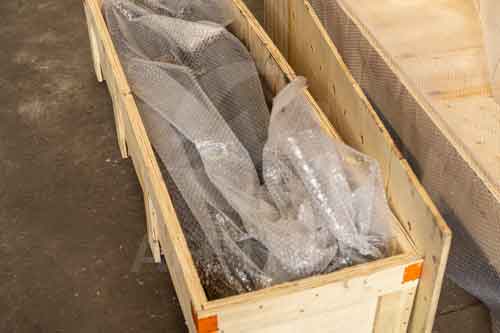
Wooden Case
Logistics

By Sea

By Air
Price Term
Get a Free Quote NOW